History

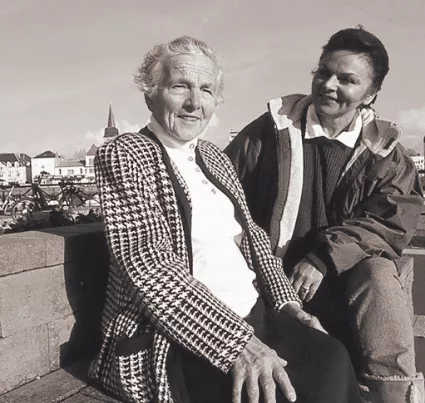
I believe we are one of the oldest boat building yards in the world to be run by the family as a majority.

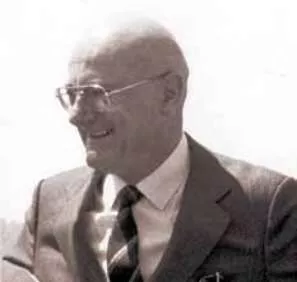
Annette ROUX

1884

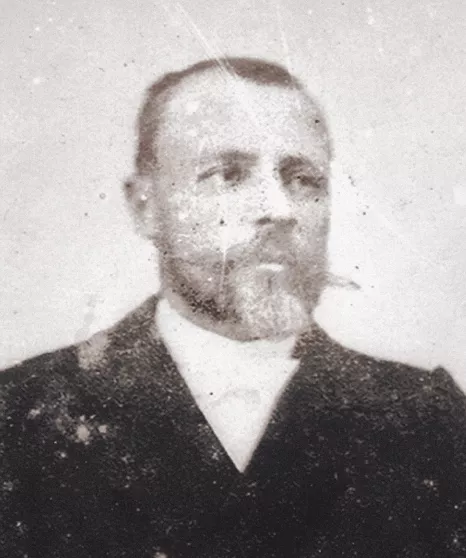
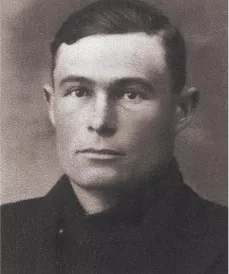
BENJAMIN BÉNÉTEAU

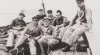
« The fate of Benjamin  would be out of the ordinary. Born in St-Gilles into a large family with little means, he was adopted at the age of 6 by one of his uncles, François Houyère. A single man, he passed on his love of the sea, adventure and boats to his adoptive son. However, at the age of 12, Benjamin became ship’s boy on the lugger Eliza. His dream of building boats would begin on the boatyard of his best friend’s father. His determination would convince his uncle, and he would enter Rochefort towards end 1879 for his military service.

1884_1928-benjamin-beneteau_0

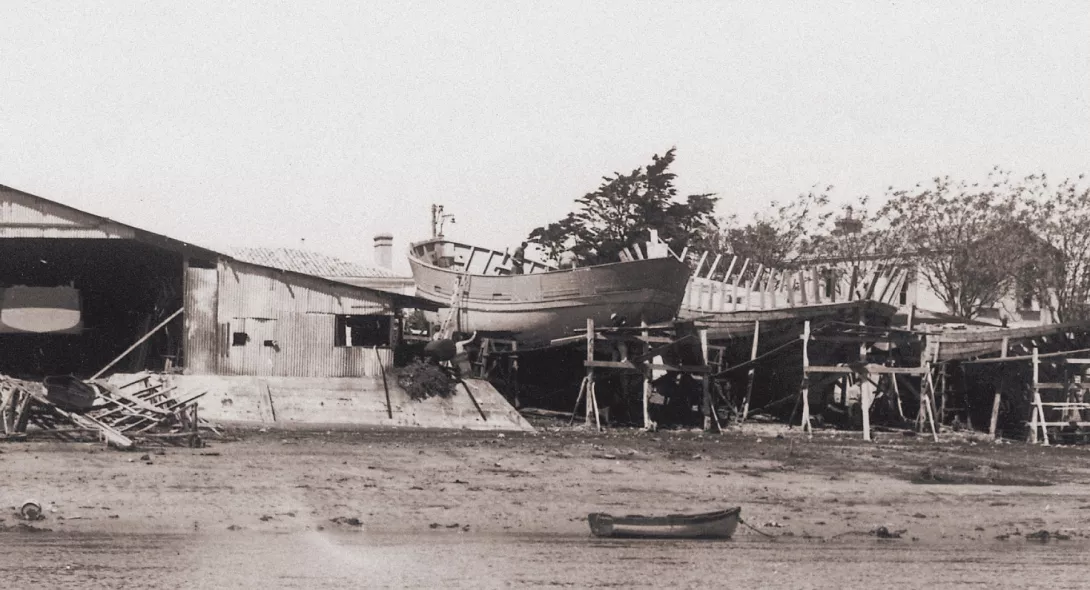
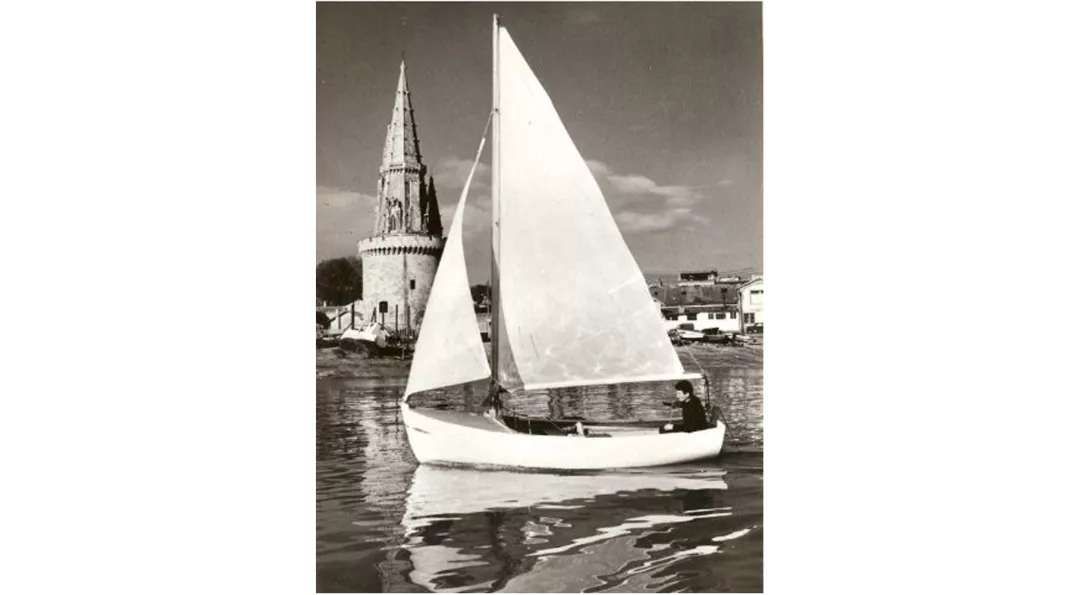
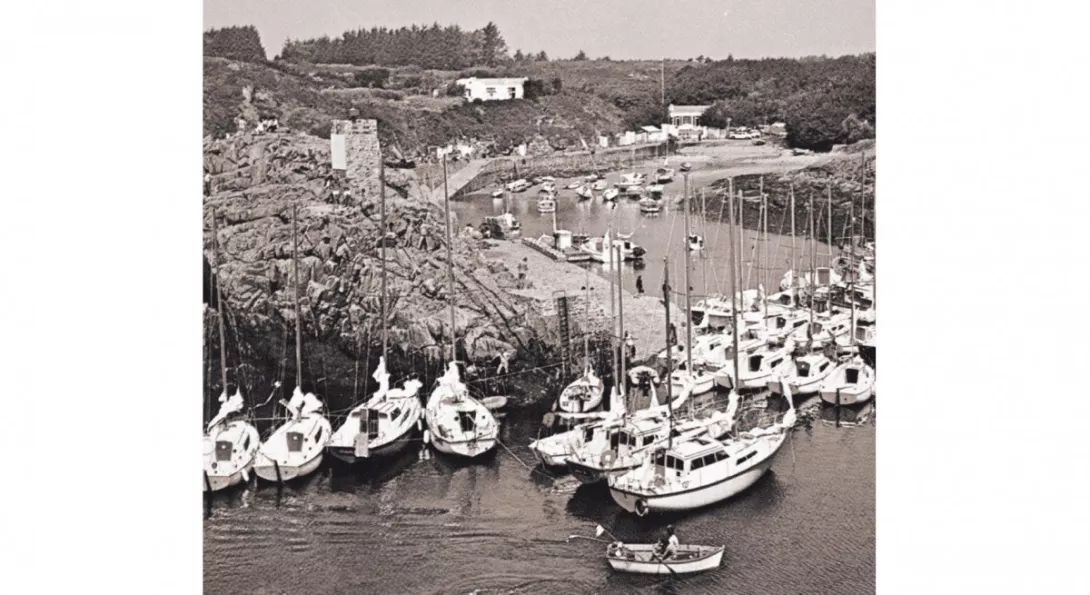
It’s near the bridge, on Quai des Greniers, that our grandfather created his boatyard in 1884, on which, of course, figured his name: BÉNÉTEAU.

At the time, boats were called luggers, dundees, and smacks, all with sails of course, but for these fishing boats, performance was judged by who got back to harbour first, since the first there would sell his fish at the best price. For this reason and many others afterwards, this search for performance would remain central to architects and builders, leading them to surpass themselves; never satisfied, and constantly innovating.

In 1909, the approach of the engine had sounded and, whatever the cost and consequences, he would design the first engine-powered fishing boat in the region.

He found no customers. Nonetheless, he became the boat’s owner. Agitator, he would call it Vainqueur des Jaloux (Conqueror of the Jealous). At the time, Croix-de-Vie, a large sardine fishing port, had ten or so sardine canning factories. The women believed that the engine’s noise would “frighten off the fish”, so they stopped work and waited for Benjamin with stones in hand. The mounted police were then brought in from Les Sables d’Olonne and La Rochesur-Yon. Lasting several months, this dispute came to an end of course, and our grandfather would call the second enginepowered sardine fishing boat he built "La Paix" (Peace).

1928

OUR PARENTS

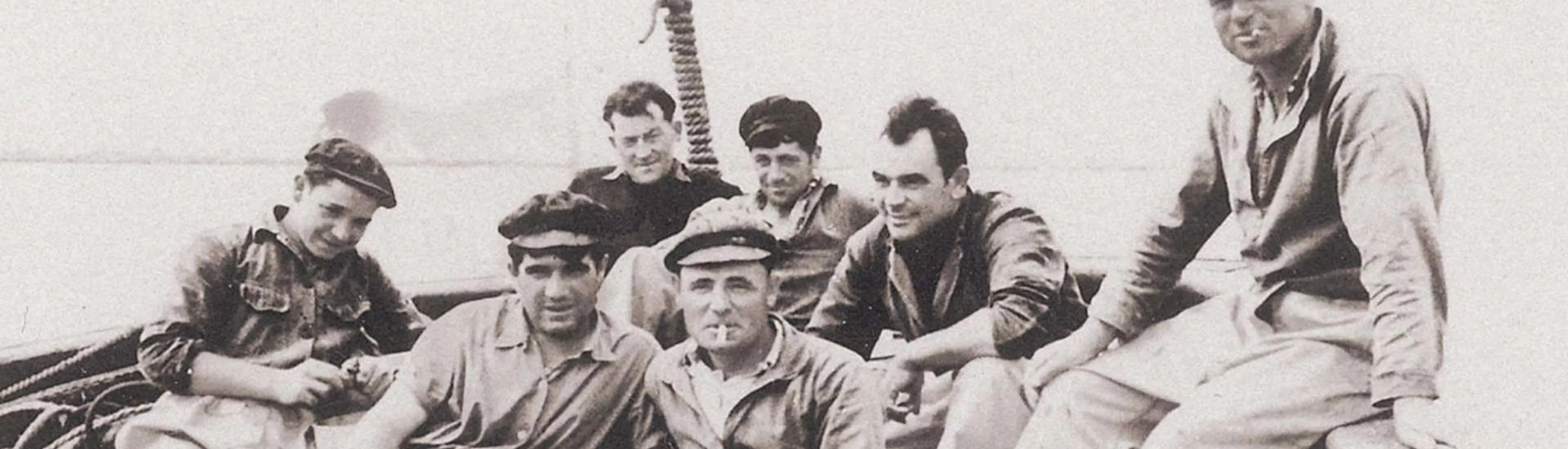
Then the Great War intervened. The boatyard would get underway again in 1928, orphaned of his mother and father, and the time had come for André Bénéteau, only son of Benjamin, then aged 21, to take over.

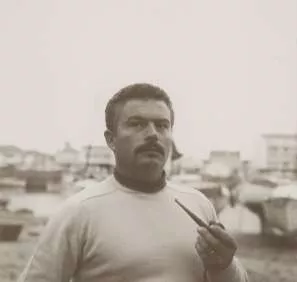
Benjamin’s absence was experienced by the inhabitants of St-Gilles-Croix-de-Vie as the end of the Boatyard. Admittedly, our father probably did not have his force of character, being rather “taciturn”, as was often said of one of our greatest sailors, but father had the gift of drawing.

1928_1964

A fisherman had faith in him, and under the shed, he would draw and build his first fishing boat. I personally recorded this account from the old folks, when I was very young. They explained that on the day the boat was launched, the people gathered, as was customary, to participate in the event, and were stunned by the elegance of this fishing boat. The BENETEAU Boatyard was back in business!

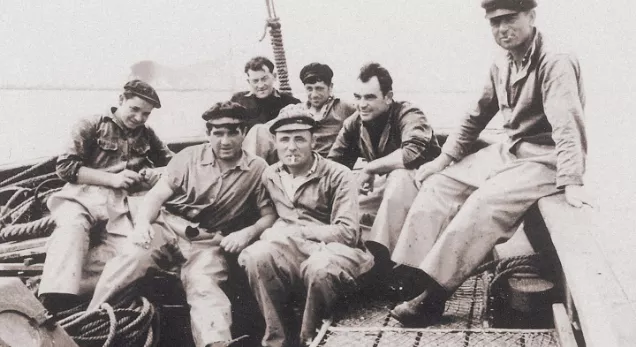
Then the Second World War came, together with the departure of a few companions. Father married our mother Georgina, and our brother André was born in 1934. At the end of the war, with the return of some of the companions there from the start, the Boatyard would be back in full swing again for an exceptional period that would last until the 1960s.

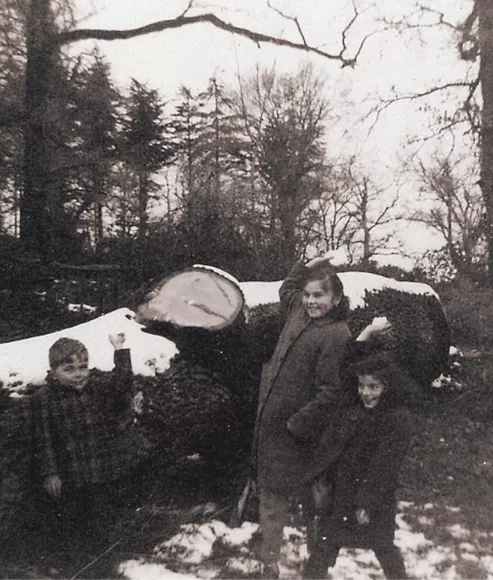
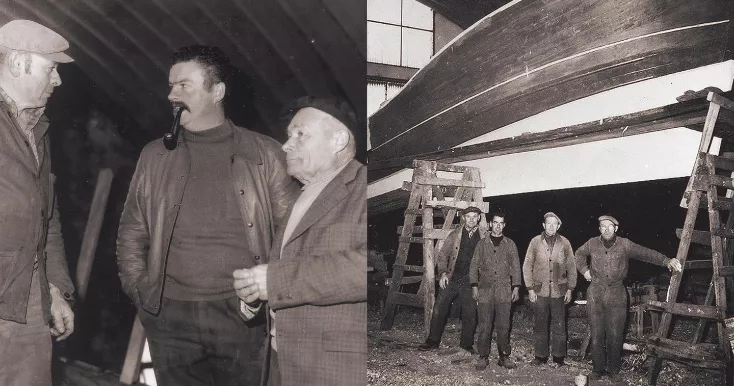
My brothers and sisters and I have wonderful memories of this period. Admittedly, our family was modest and cost prices did not fill my father with passion, but what a school of life it was! Everything began for us with choosing oak trees in the forest on Sunday. This got us outdoors, but choosing trees was an almost religious moment, as was their arrival on Quai des Greniers, and their cutting, with the stress of finding too much sapwood, in which case, we had to start over again. 

We all lived together as a family: children, apprentices, employees, customers and I do not know a finer trade than that of a boat-builder during that particular period. Of course, this was how we learned all about it.

I cannot pass over my mother’s role, in this page of our history, in silence. Although our father was considered an artist, and respected as such, our mother was “the Boss”. Those with difficulties towards the end of the month came to her, as did the workmen who injured themselves, and my mother dressed their wounds. She knew everything, and most of all, she faced up to everything. If you learn by good example, we could not have dreamed of a better mother than this small – one meter fifty – yet so great a woman.

1928_1964
1928_1964
1928_1964

1962-1964

TRANSITION YEARS

I can only remember impressions of this time. All the noises dimmed, our workmen did not whistle as often, our parents kept silent, customer visits became rare and the bankman’s visits more frequent.We were experiencing the start of the end of this fine building trade, with the decline of the fishing trade.

1962_1964

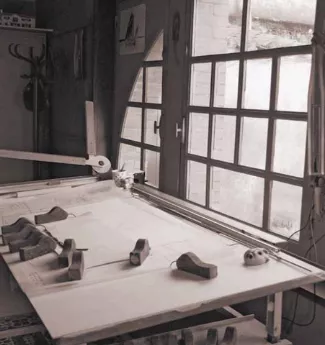
The passion of André, our elder brother, is drawing. Unfortunately, there was nothing left to draw. Our parents still had three children to raise, and we had our 17 ship’s carpenter companions. How do you find new jobs for ship’s carpenters ?

transitionbureau

1964

BEGINNINGS OF THE SAILING INDUSTRY

Many said we were lucky. Personally, I see the mark of fate. It was when I met the man who would later become my husband that I realized what was wrong and understood what went unsaid, as well as the gravity of the situation. I was not yet 22 and I was a woman in the 1960s. ‘Business women’ were rare occurrences, earning little recognition, even though, in traditional tradesmen’s circles, the wife was often the boss.

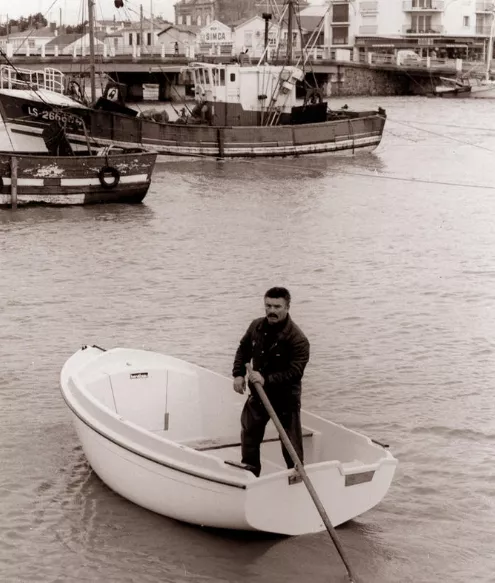
godille

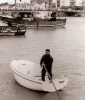
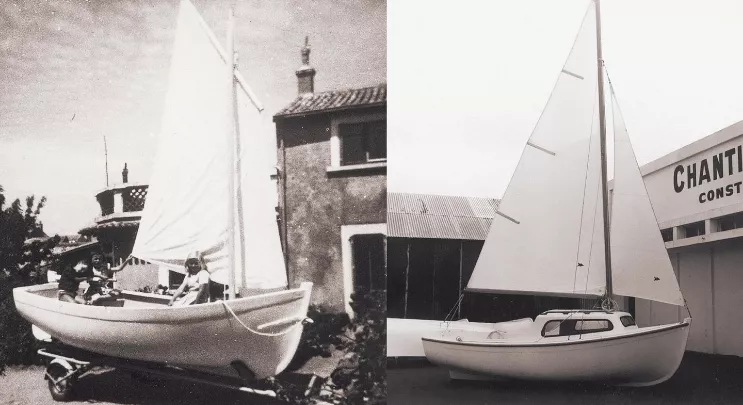
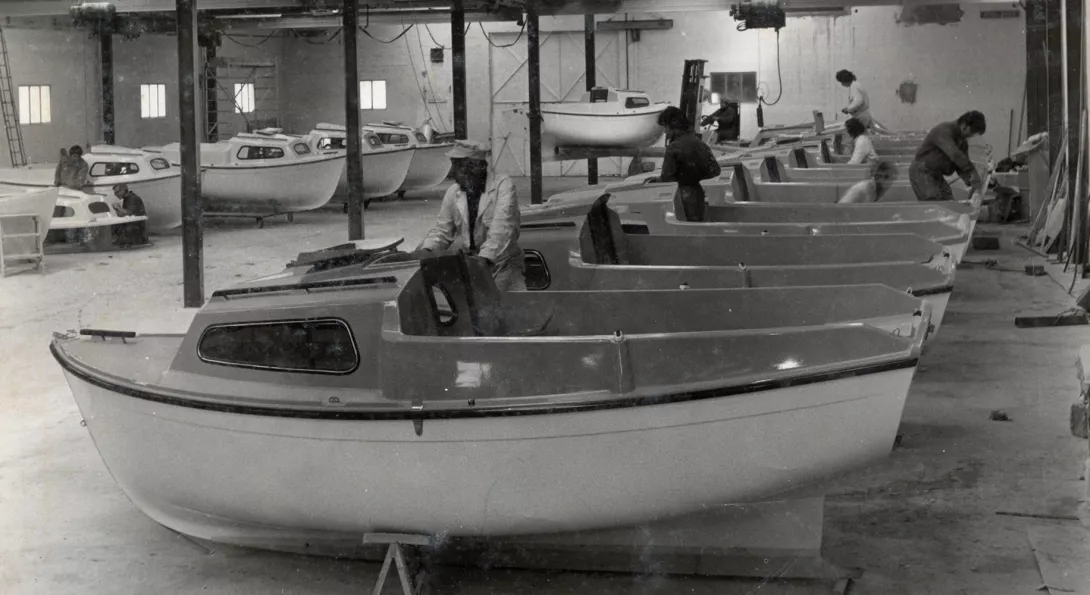
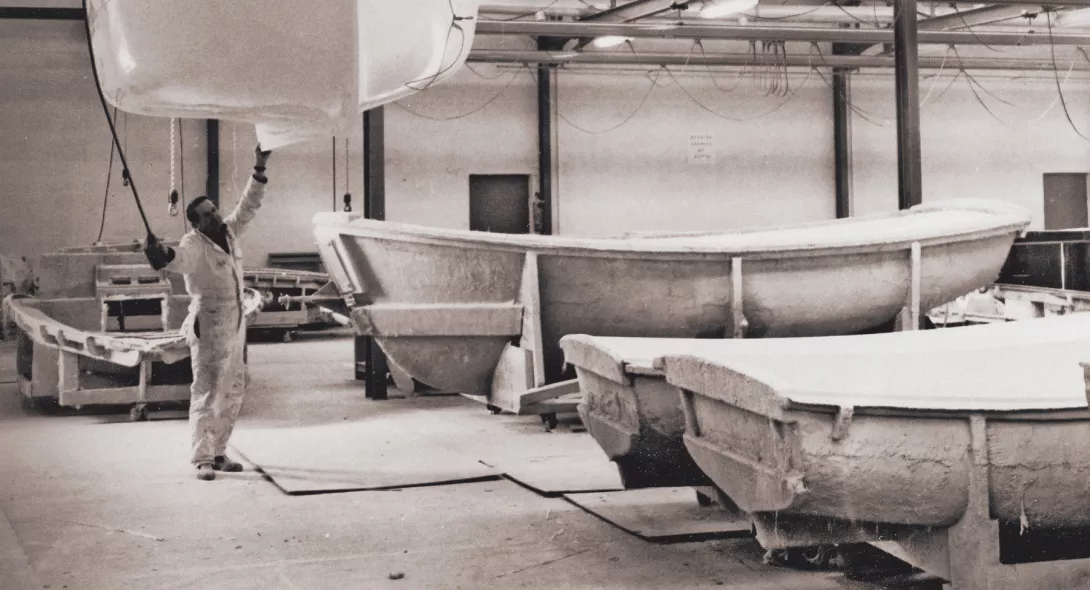
We also owe this luck to our father, who without thinking of ‘sailing’ for a second, had knowledge of a new material: polyester. Our father’s idea was to make dinghies for sardine fishing boats out of polyester, which, together with my brother André, they did in 1963.

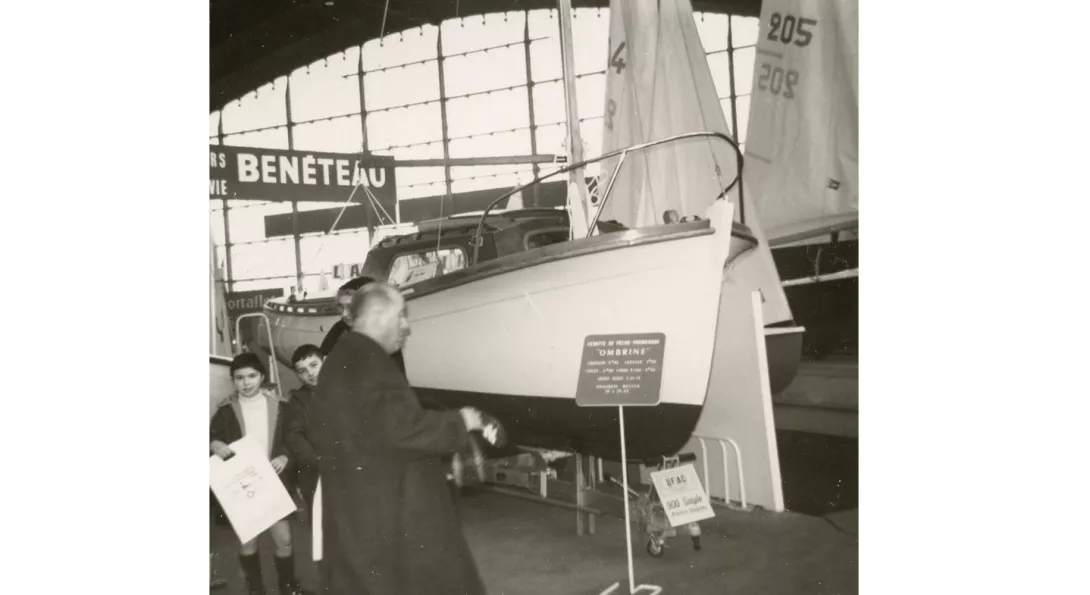
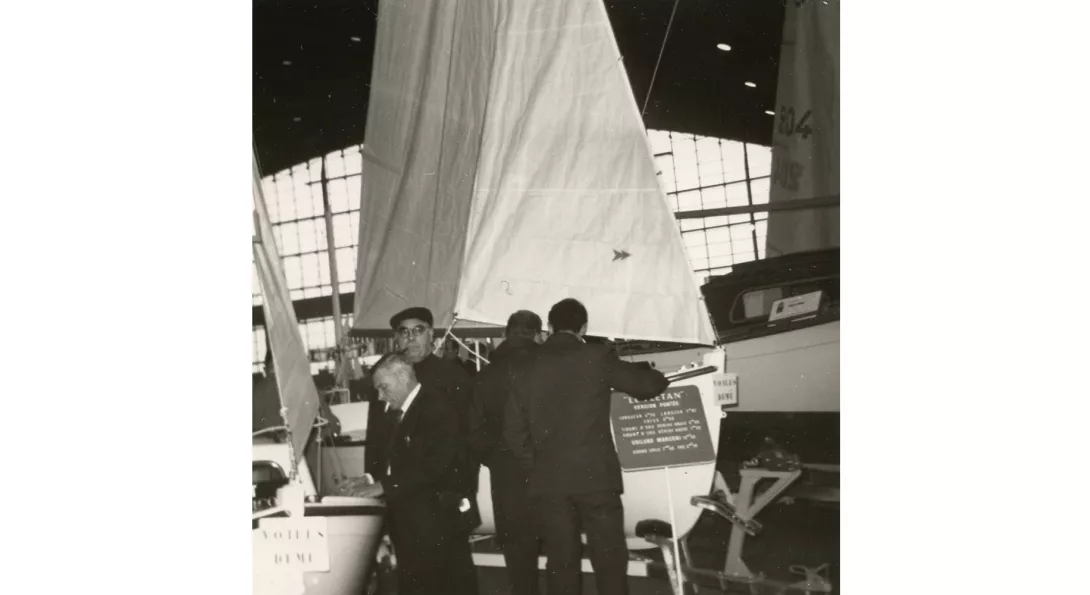
So it was by visiting maritime cooperatives to sell our dinghies to fishermen, and by showing them at the Lorient Biennial, that we would be noticed by the future dealers we would advise. The 3.60 m sardine fishing dinghy became the Guppy, the 4.30 m one the Flétan, and the small 5.80 m tulip-shaped speedboat, the last boat designed by our father, the Ombrine.

In fact, we had just created a new market segment, which would be referred to as the recreational fishing boat, but we did not yet know this.

Louis Claude Roux
beneteau
Andre Roux

1965-1972

FIRST RANGE

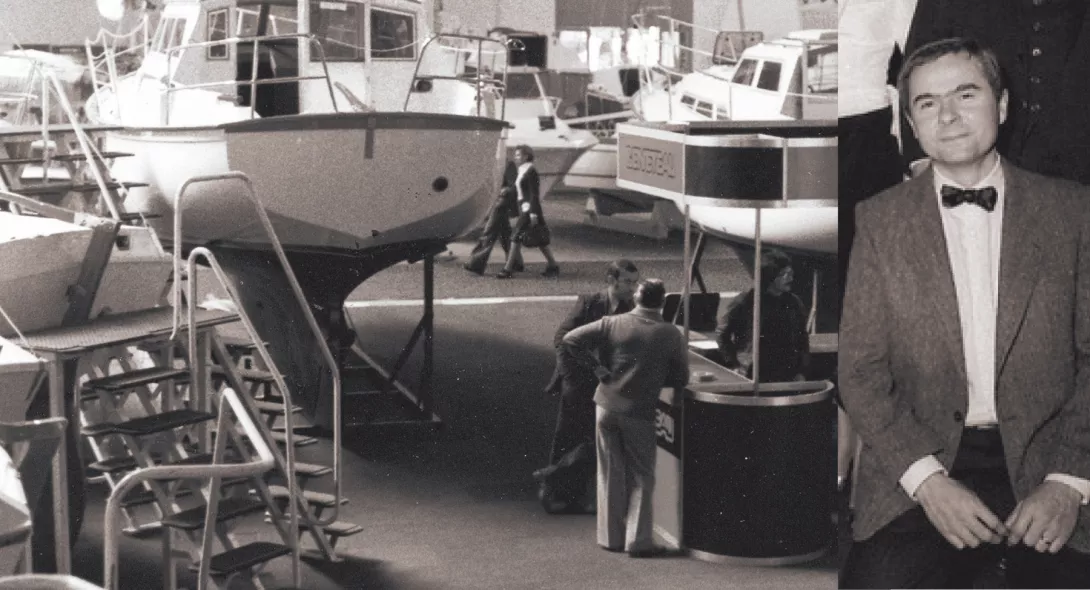
January 1965: our first Paris boat show. For André, his wife Mimie, and myself, it was highly stressful. No other boat looked like ours and, not used to the capital, we felt like we did not belong. Yet, only a few hours after the opening, three business men introduced themselves, claiming that our boats were what their customers were looking for and that no other builder wanted to build them. One of them asked for Morbihan, the other Finistère, and the third the Côtes du Nord (now Côtes d’Armor).

In all, their orders represented several months of work for our teams. After two minutes discussing distribution with my husband, the choice was made. We would distribute our boats through this network, which except for Jeanneau, no one else did.

During these seven years, we would balance out our accounts; subsidize the end of fishing, while we found new jobs for our ship’s carpenters one by one. We would also listen to our customers and invest only in new products, following their desire to buy slightly bigger boats. This is how, alongside the Guppy, the Flétan, Capelan, Cabochard, Galion, Forban, Kerlouan, Baroudeur and Ombrine were born: a full range from 3.60 m to 5.80 m, in a typically national segment at the time.

My brother André was at his drawing table, our father supervised the prototypes in particular, the young ones grew up and the family was happy again!

1972

FIRST INVESTMENT

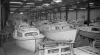
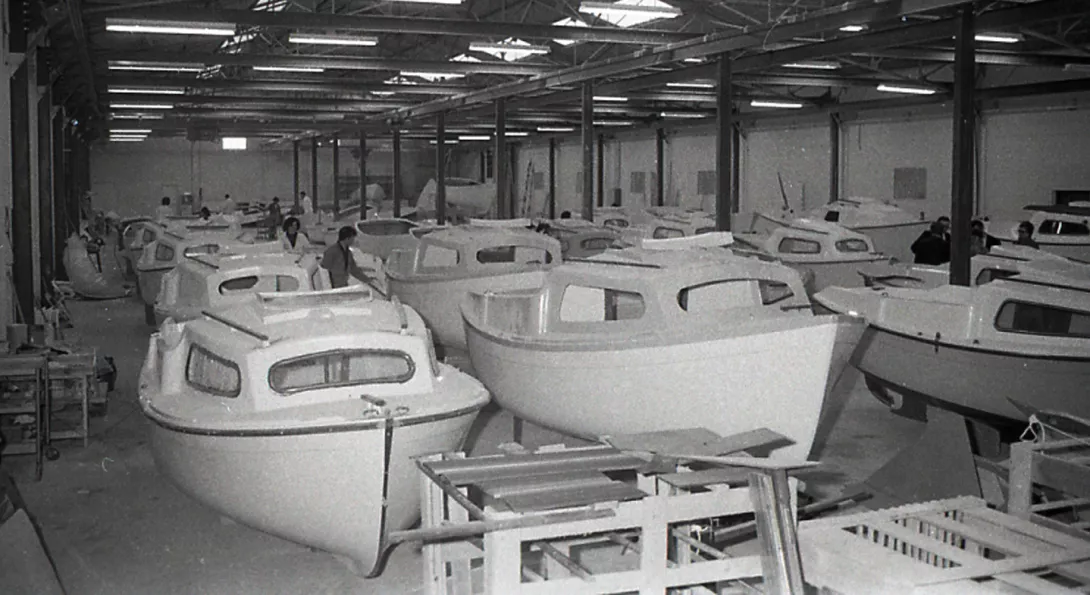
1972 would be a great year! With financial stability just about recovered, we were going to invest, first in the workforce, but also in our first plant, which was modest but really designed with semi-industrial production in mind.

We wanted to develop the recreational fishing boat. Our customers had learned to sail and they wanted larger boats, comfort on board, and to see the sea from the saloon. 

There is nothing harder than beginning a new range. My brother André listened to us and I can still see him, after months of thought, when we were visiting a boat show in Germany, drawing an innovative boat on a paper napkin in the restaurant and saying “there’s your boat!” This would be the Evasion 32, followed by the later Evasion 37 and Evasion 28 versions.

We then built a new plant in Commequiers, especially designed to manufacture what we thought, at the time, to be the largest production boat sizes that the sailing market would require. At the same time, for the motorboats, the Ombrine would give birth to the Antares range, always designed by André, whose great passion was line fishing.

On the family side of things, we would also see our younger brother Yvon enter the company. He would be fascinated by production all his life and become one of our best specialists.

1976

A DECISIVE YEAR

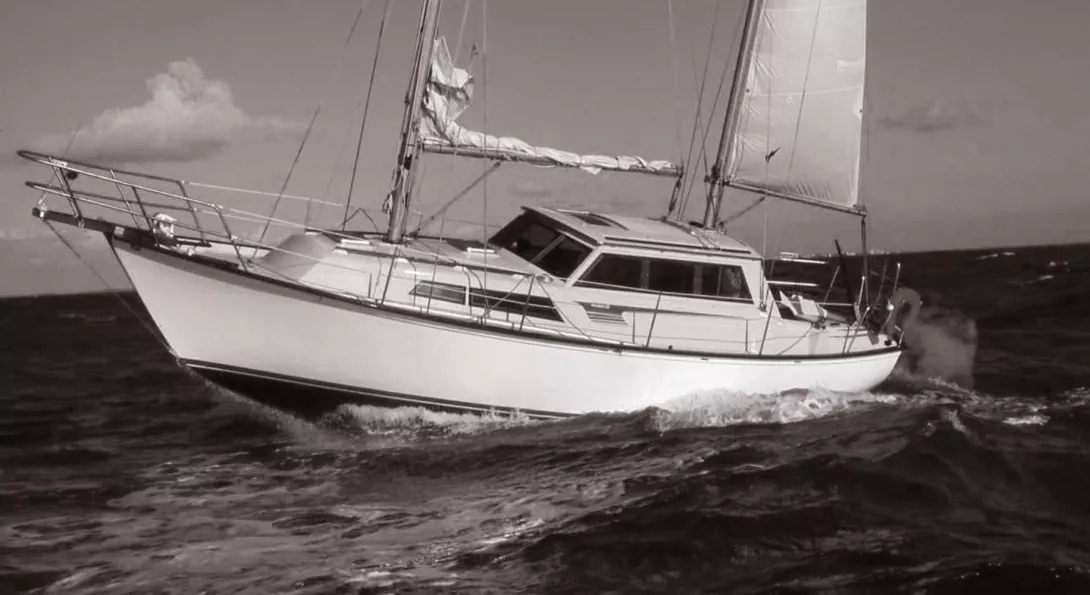
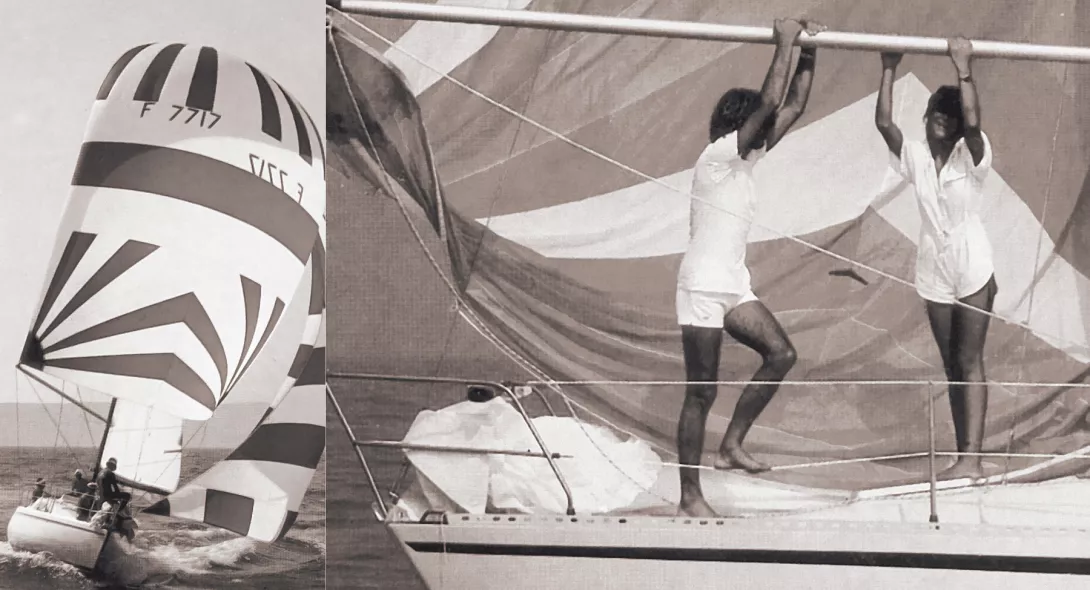
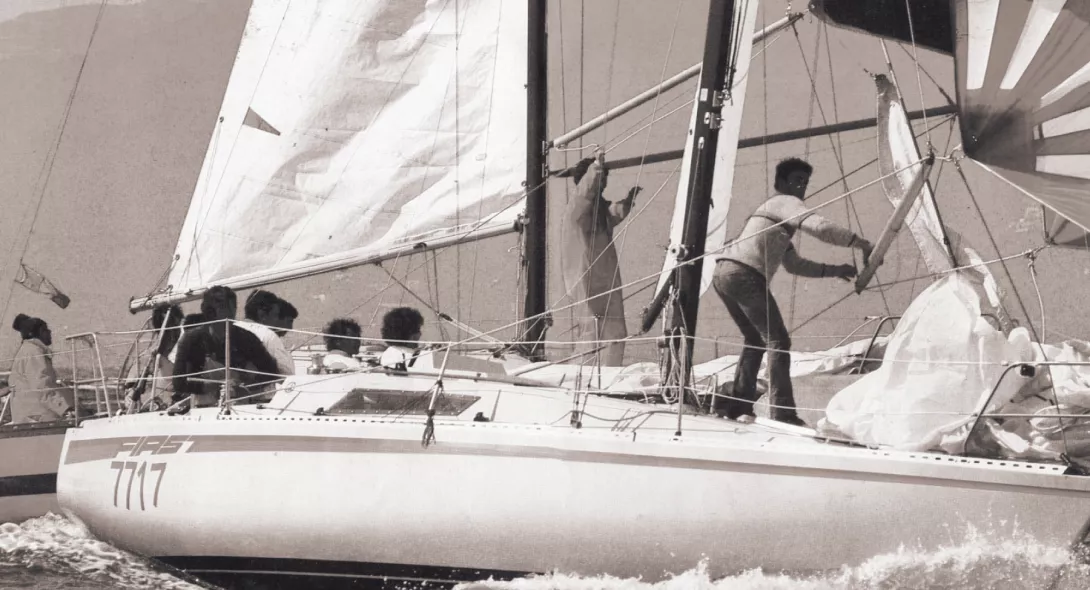
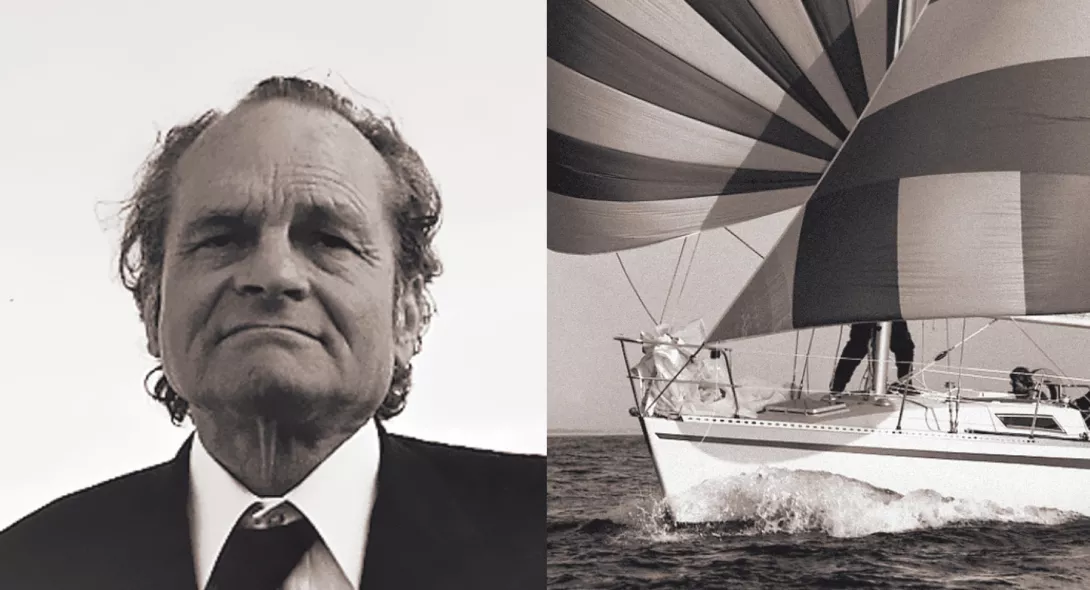
Back then, we had a considerable market share in the recreational fishing boat segment; thousands of customers sailed them, but some of them left us because they wanted to sail faster. François, a great regatta racer, dreamed of creating a high-performing sailing yacht. André wanted to draw it, but we knew that in this area there were architects with different experience. How do you bring someone to understand that, for the first time, a BENETEAU boat could be drawn by an architect from outside? Luck was with us. We were offered the moulds of L’impensable, the boat designed to win the Half Ton Cup and which kept its promise. 

We would redesign the sail plan, keel, interior layout, and shape of the coachroof with André Mauric, and it would be called the First. Nobody was expecting this. We showed the First at the Paris Boat Show and it was a revelation. It would become a legendary class. This was the boat that would really open the way for export.

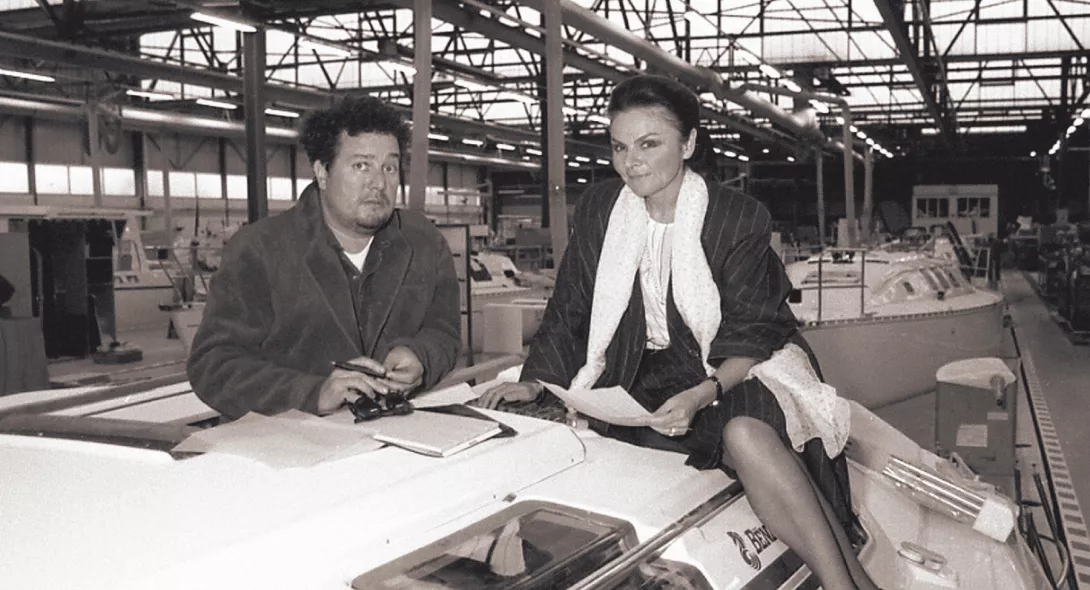
This fantastic success brought us to build several new production plants, all designed by the Béri design office, founded and managed by my husband and which would later become our family Holding.

1980

EXPANSION

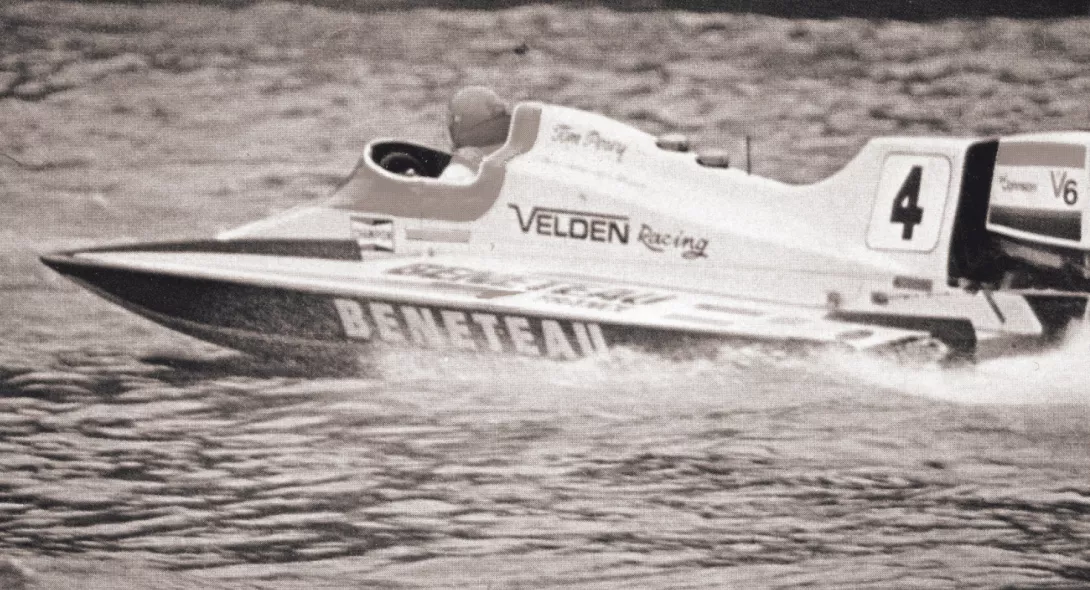
The yard’s motorboating team entrusted Cees Van Der Velden 2 with perfecting a catamaran with which he won the “PARIS 6 hours” flying BENETEAU colours. I can still see the faces of our builder colleagues and friends at the time. How could we, inexperienced ‘sailors’, win this race with a motorboat ?

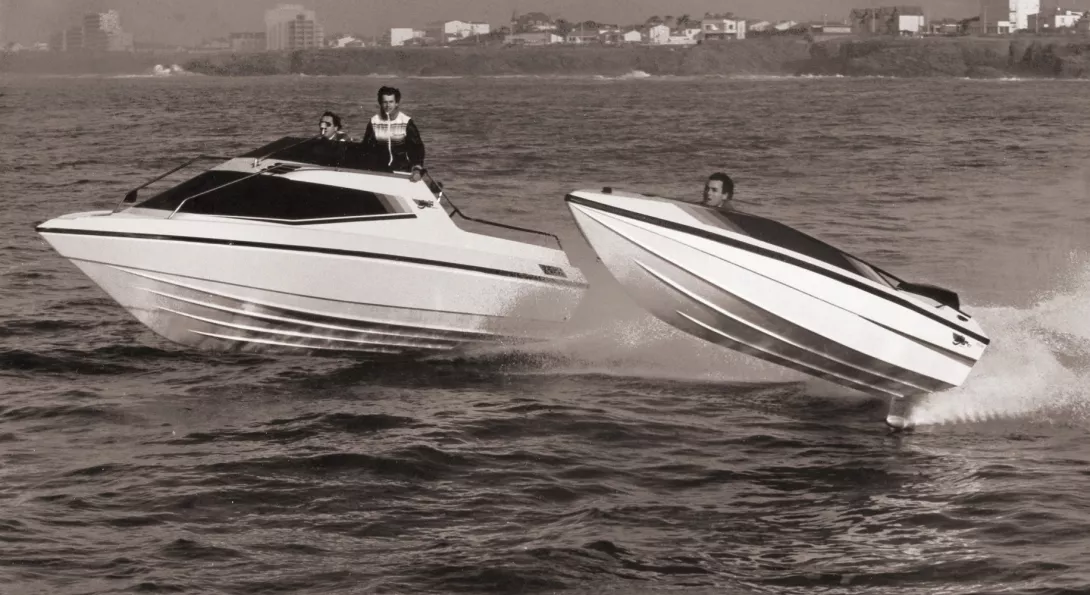
This was not a problem, close on its heels the Flyer range was born and the first models were shown at the Paris Boat Show.

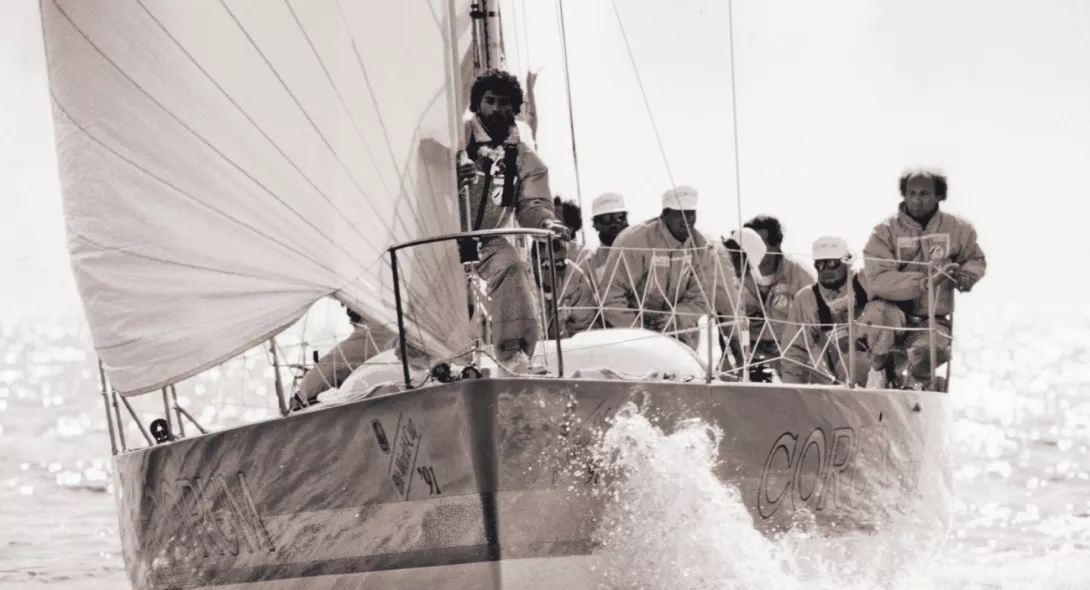
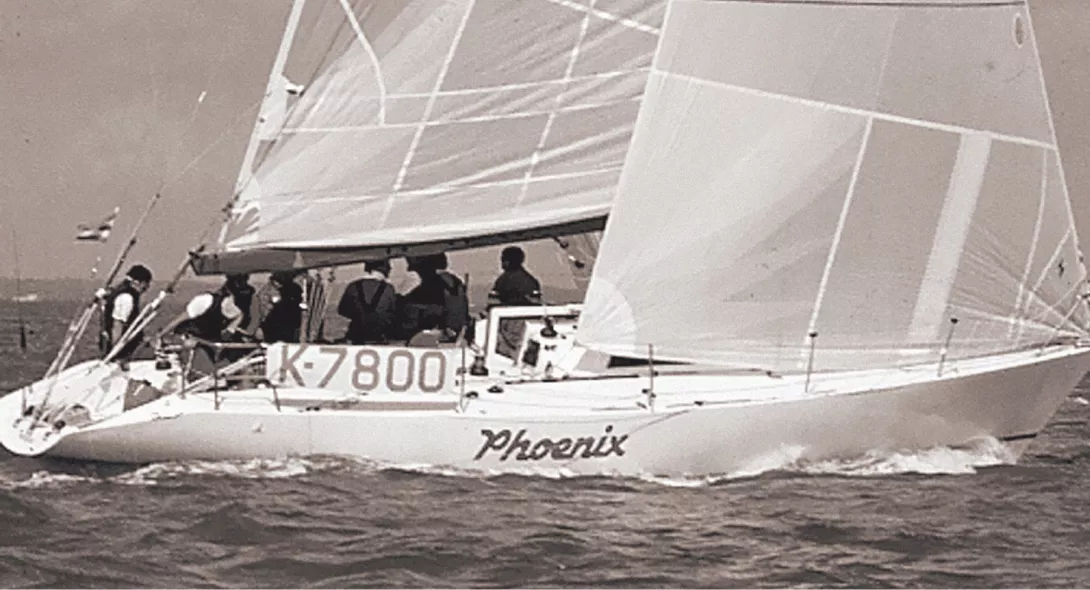
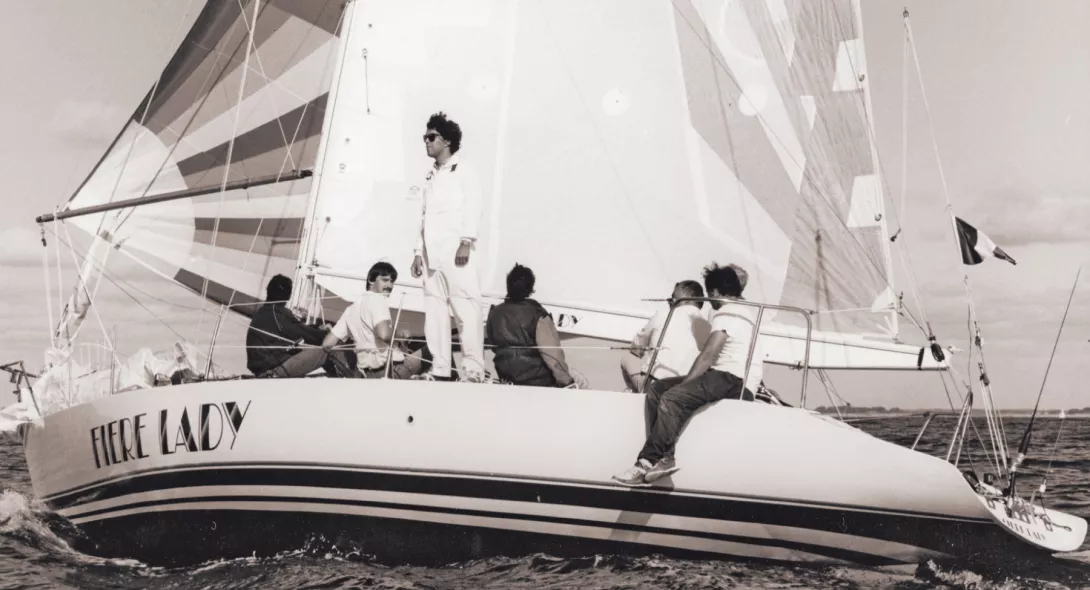
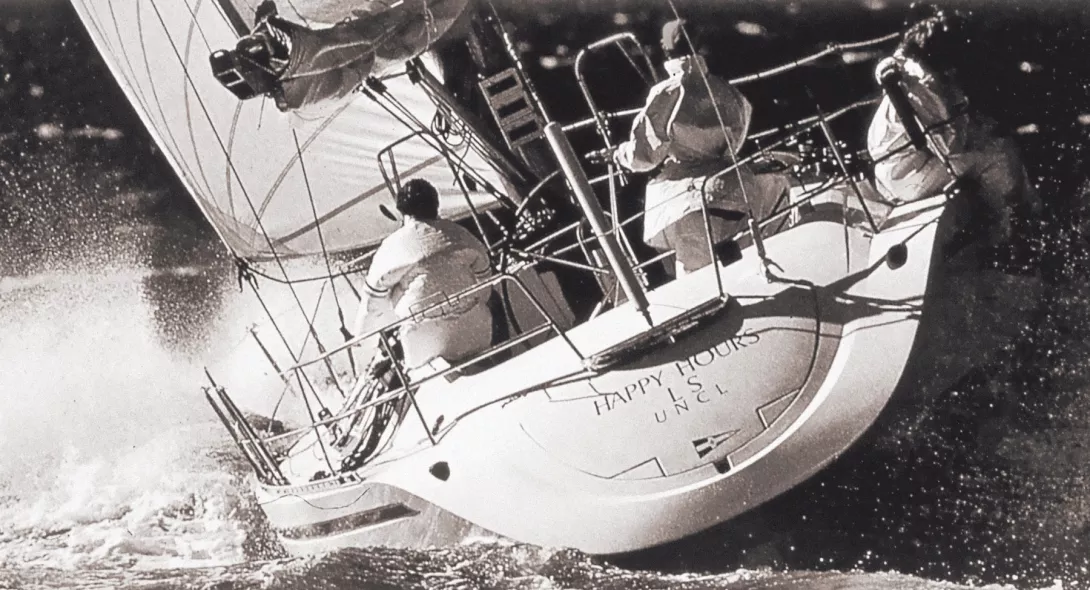
In yachting, it was the great Admiral’s Cup period and, among others, with our wonderful partner Corum, managed by Jean-René Banwart, we tried out new hulls and identified the best architects in the world. There would be the First Evolution, Lady B, and First Lady, all prototypes that would help us progress and later enable us to provide our customers with the best production boats. 

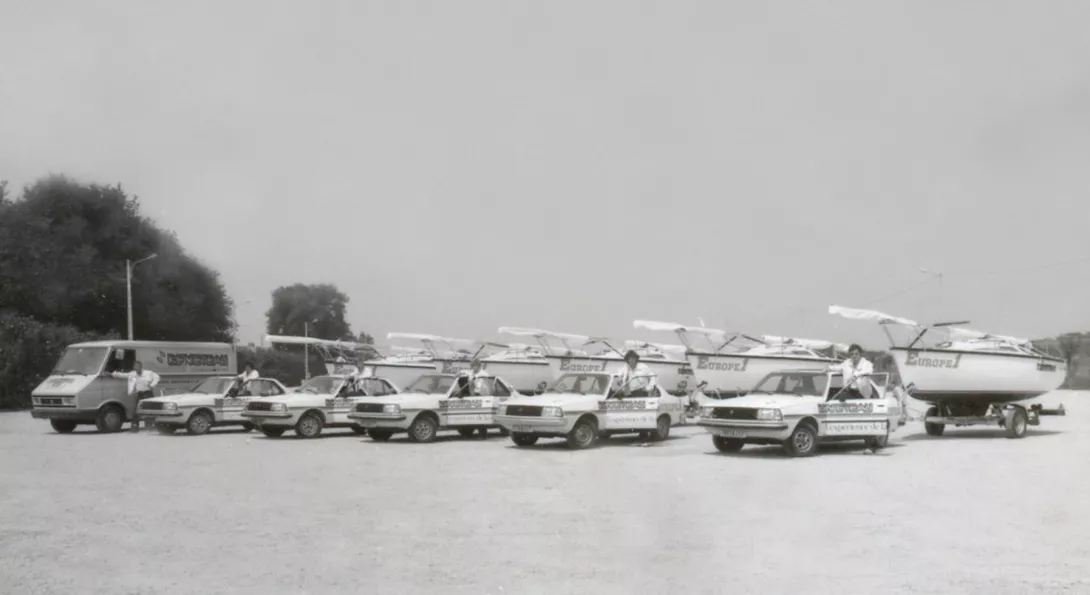
During this decade, for all that, we continued to pay particular attention to our customers who wanted to take things further and we organized gatherings (I got the idea from the motorbike world). They were called the Évasions d’Or. We also thought about our future customers. We made agreements with radio stations such as Europe 1 and RTL. We joined them in the organization of the “tournées des plages” (beach tours) and it was in the delightful company of celebrities such as Michel Drucker, Carlos, Thierry Le Luron and many others, that the French discovered the joys of setting out to sea.

1980 - L'essor
1980 - L'essor

1981-1986

PROSPEROUS YEARS

This decade would be decisive. Of course, from the 1970s, we were investing in export insofar as our resources would permit, setting up a network of dealers and importers, in particular in European countries, with the exception of the United States, where we opened a subsidiary in Annapolis, in 1976. The aim of this was to establish our brand, but especially to understand the American consumer’s tastes by being present on site.

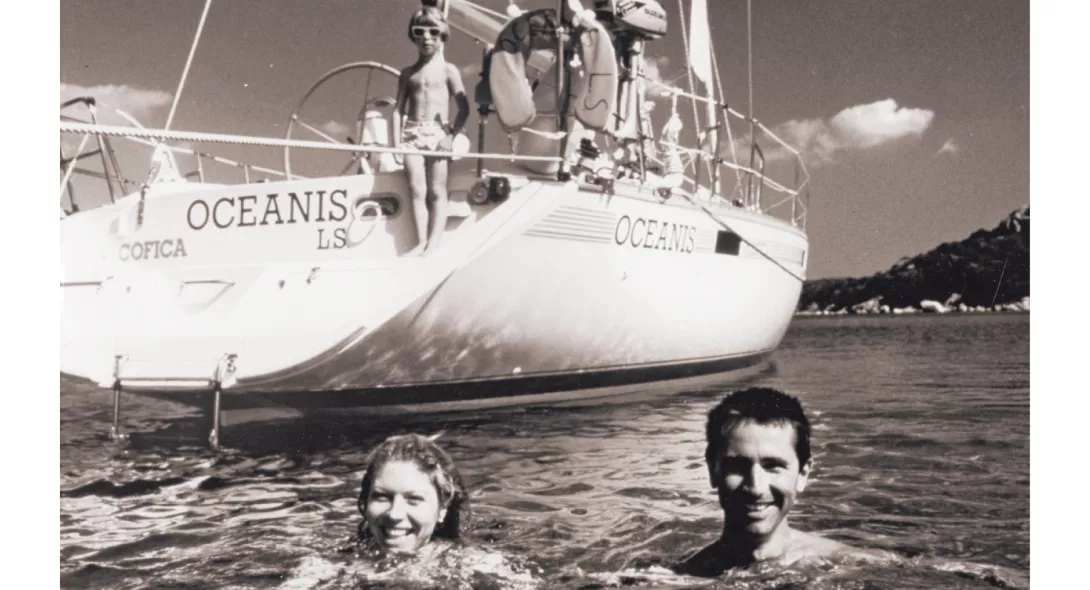
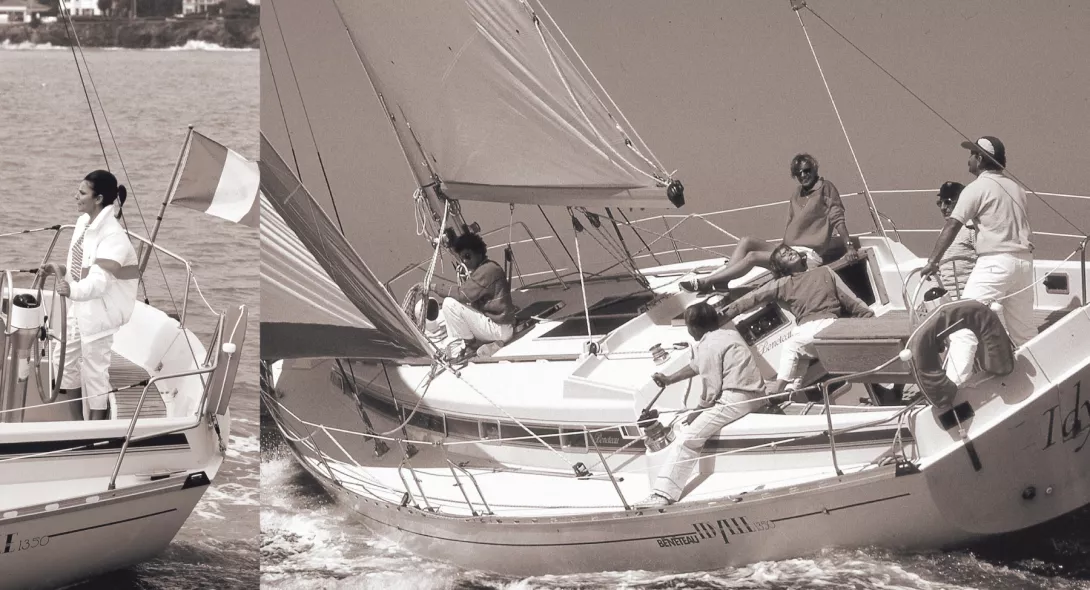
During these five years, we would open subsidiaries, continue product development, take an interest in burgeoning charter companies, and in particular, the largest in the world: Moorings, then owned by an amazing couple - Ginnie and Charly Carry – who would become great friends, and with whom we designed the first boats that were really thought out with chartering in mind. This is how the 13.50 metre Idylle came to be. In a way it would be the ancestor of the Oceanis range.  

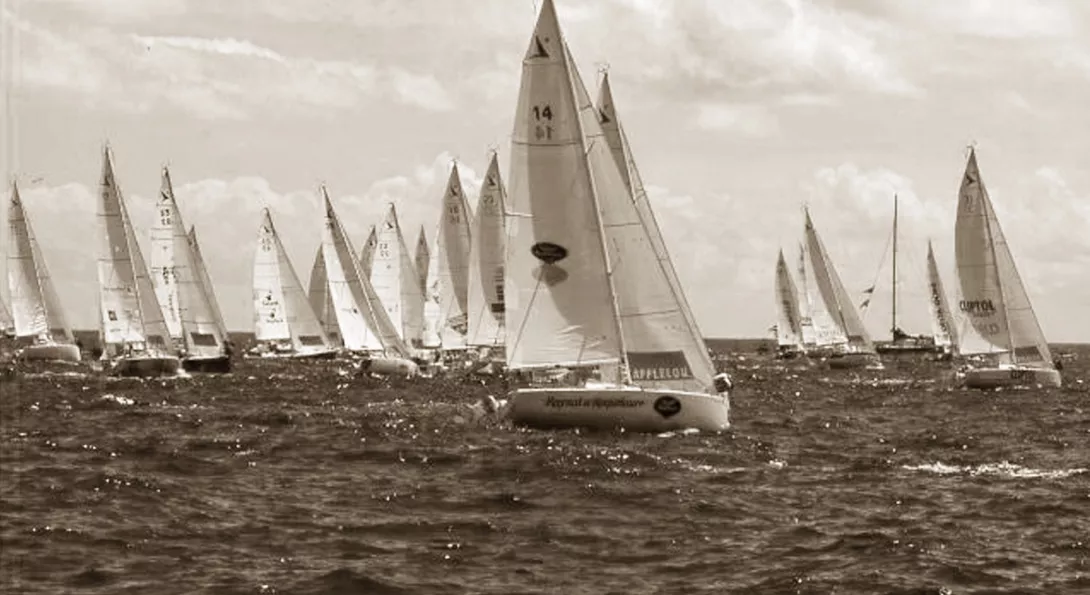
1982 would also be the year a class was launched, its version established on the basis of one-design rules. The First Class 8, designed by Jean-Marie Finot, became the first French one-design class, with nearly 1,000 boats competing on seas for more than twenty years.

Then would follow the First Class 10 and 12, which, at the time, would take part in the well-known “combat des chefs”(leaders’ fight) in Marseille; a challenge in which we would have the pleasure of seeing politicians and important upcoming company managers compete.

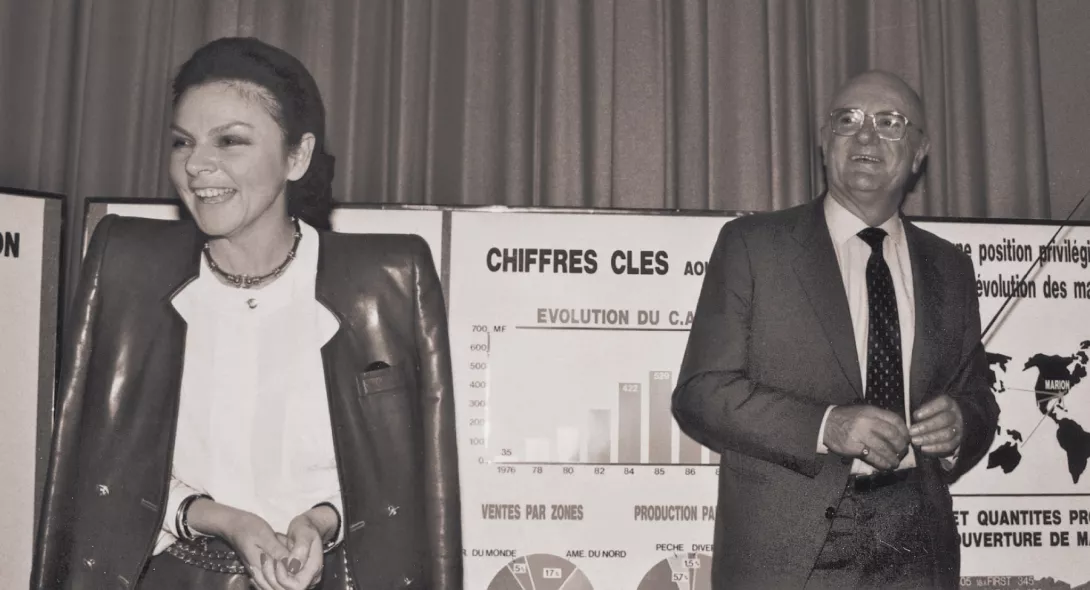
1984. The French Stock Market opened the Second Market. Zodiac was the first to be introduced and, for BENETEAU’s hundredth anniversary, we would also be listed on the stock market. Considering the many investment projects we had in mind, we had to consolidate our financial organization. There is no need to say that it was a great moment in our history and, considering the new constraints this would entail, we equipped ourselves with our first Financial Manager.

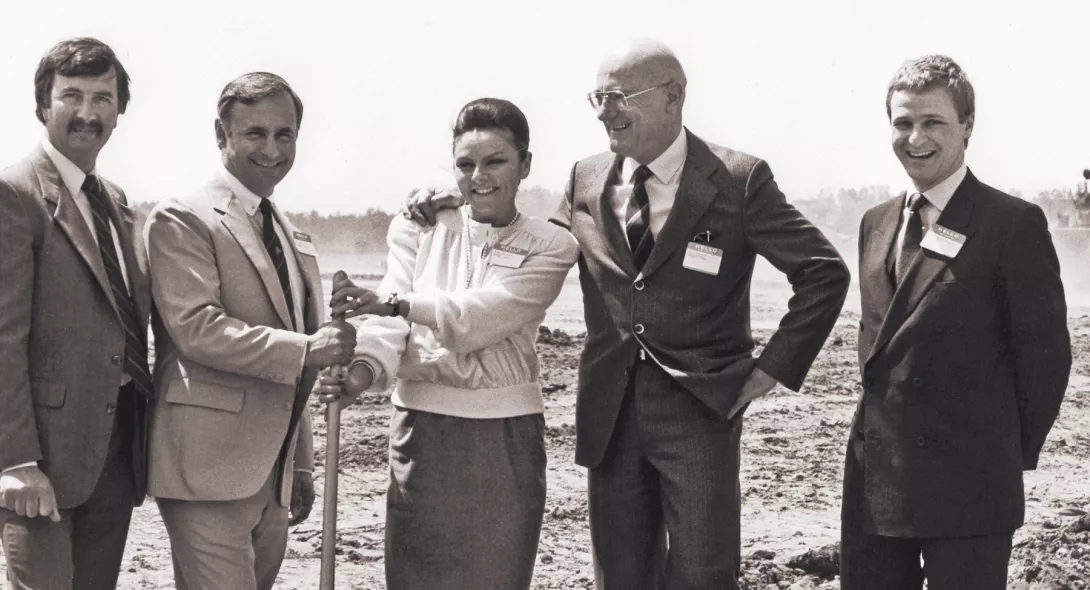
In 1985, apart from the new factory in Challans, we would begin to build our first production site abroad, having acquired sufficient sales volumes in the United States. It would be located in the centre of the east coast. The Carolinas appealed to us, and just two hours’ drive from Charleston we would stop in a small American town called Marion. For the French, to invest in the United States industrially was thought of as highly ambitious. Many groups had had to give up on such ventures, but our conviction was such that we did not hesitate a second.

BIRTH OF THE OCEANIS

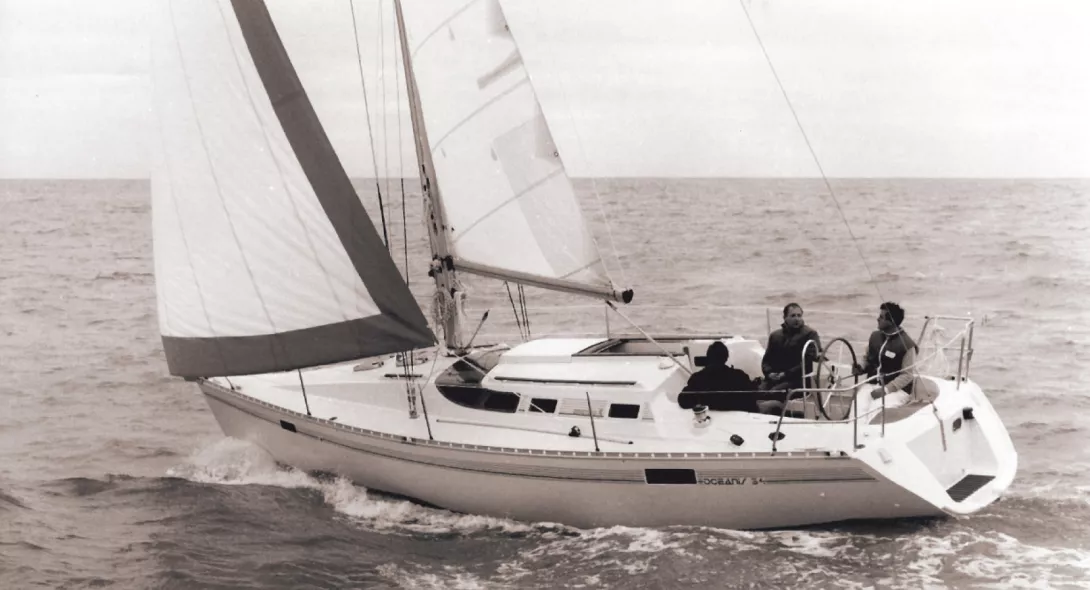
The basis for reflection on a Cruiser would be the Idylle, perfected by our friends Moorings. François Chalain would choose Philippe Briand 3 and, in a few months, they would create the Oceanis 350 and then the 430. The wager paid off, and success was instant. The production lines would fill up again.

REVIVAL OF THE FIRST

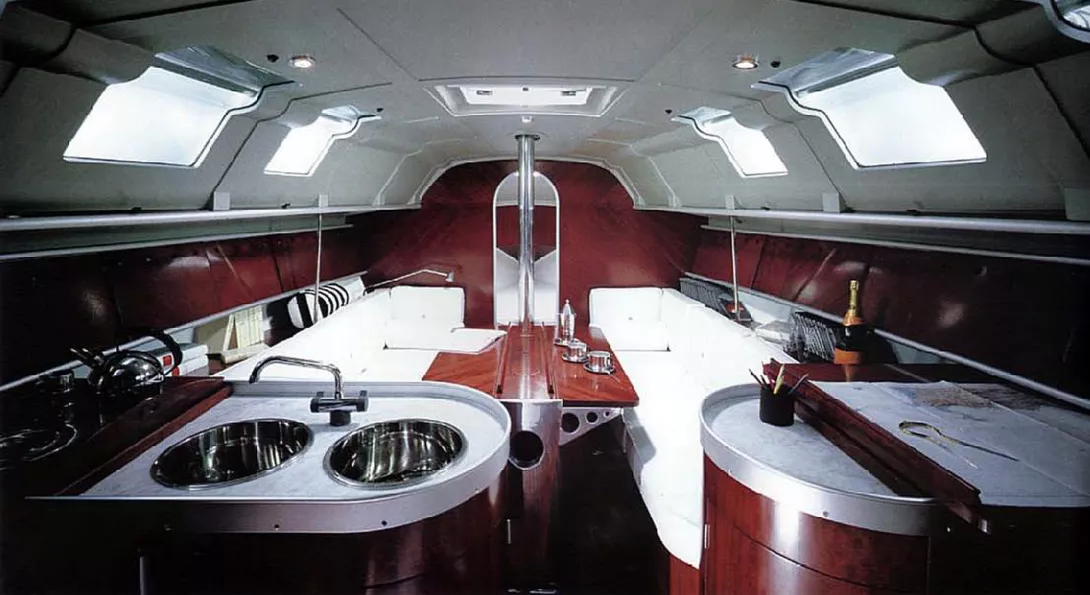
How could we revive it? We needed help! When François was dining one evening at Costes café with Odile, his wife, feeling good in these surroundings, he thought of Philippe Starck. I met Starck in Paris and he did not hide the fact that boats were not his speciality. So he suggested we leave him a 35 foot boat in his garden at Montfort-l’Amaury, saying that he would be happy to spend a few nights on board and that only after this experience, in all probability, would he be able to answer us. Although his approach was unusual, we met his request with a First 35, the first boat designed with two rear cabins, fruit of the collaboration between François Chalain and Jean Berret. And so we waited… The least I can say is that, when he reported back it, was a breath of fresh air !1!

It was in this happy, affectionate and yet oh so professional atmosphere that the First 35 S 5 would be born. I could write pages of anecdotes and emotions related to this period which brought back joie de vivre and a desire to surpass ourselves, the greatest moment of which was when it was shown to the public at the Paris Boat Show in 1987. What a shock! One out of two customers adored it, one customer out of two hated it. This was not a problem, the production was a success and Starck not only helped us progress, but the whole profession. He also discovered a world in which he is now the designer of one of the greatest yachts on this earth!

1989

BEGINNING OF FIGARO YEARS

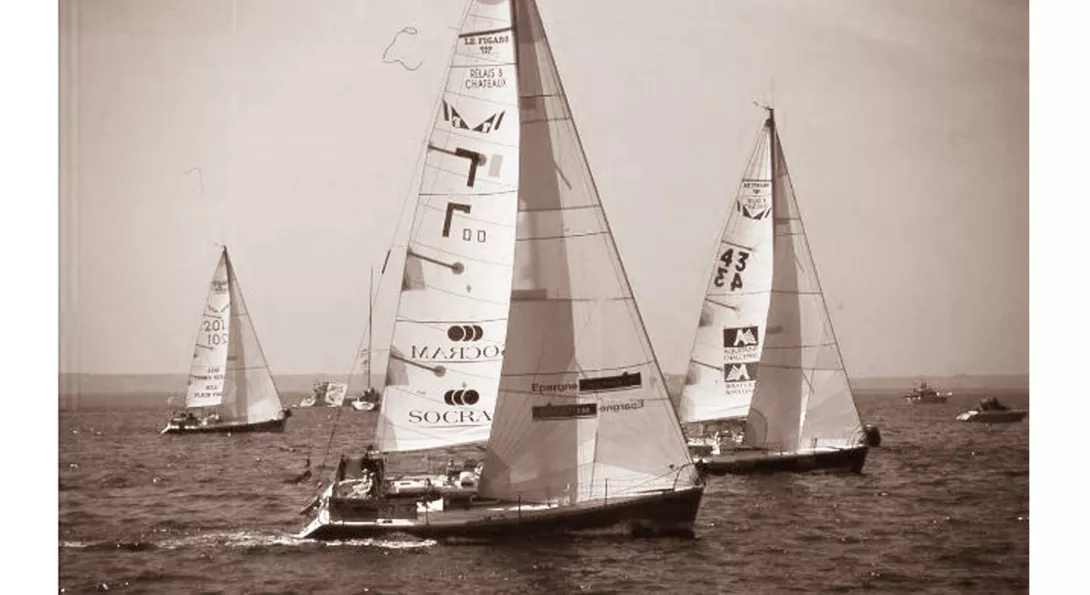
Always mindful of promoting sailing, this would be the year of the first Figaro Class.

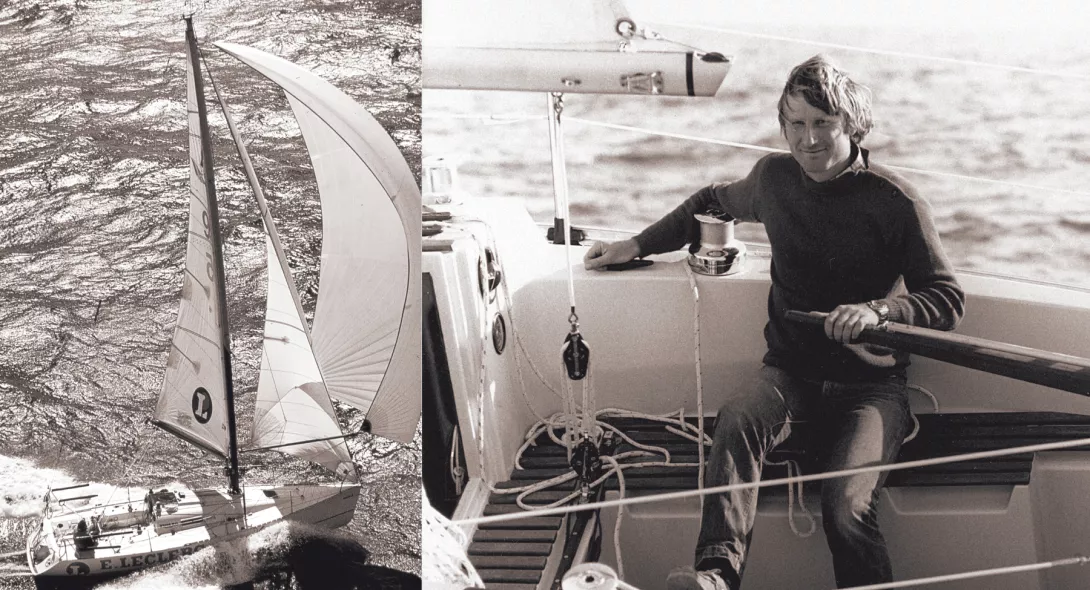
The Figaro race - formerly the Course de l’Aurore – traditionally raced on prototypes was to convert to one-designs. We could not be absent from this race, which we had been following since the First was marketed, a race which Michel Malinovsky won the day the boat was produced, bringing it such a great reputation.

The project presented by Beneteau and Jean-Marie Finot would win the competition. We would thus have the privilege of building these one-designs, but also of participating with the Figaro in the birth of a wonderful incubator of young sailors, who would then move on to offshore sailing, securing the reputation of French sailors in competition sailing. 

1990

CREATIVITY

As the first world economic crisis to hit the sailing industry was looming, we continued our creative research on the First. A meeting at the Paris Boat Show with a loyal Italian customer would draw our attention. This customer, a great designer with Pininfarina, told us he “could no longer dream” since all boats looked alike. He talked of shapes that had changed, particularly in the car industry, and found our decks too angular. 

I must say that the Pininfarina family was wonderful. Sergio knew full well that our resources were comparable to those of his car industry clients, but he would make his services available to us and together our teams would create flexible decks. Once again, I was there for one of those virtually religious moments when, bit by bit, Mr Ramacciotti’s red tape transformed the deck matrix of the future First 45. 

The talent of designers will always fascinate me. This boat would be presold in large numbers, before even being shown, and I admit to still having the same feeling today when I see one moored at harbour. I am probably no longer objective, but they haven’t aged a bit.

Before closing the decade of the 1980s, I would like to digress on fishing. We could not abandon our professional fishermen as customers, and gradually they progressed from wood to polyester. In order to separate our activities, we bought out one of the last wood boat builders in Vendée, the Gendron yard in Noirmoutier. Here we found a top quality workforce and, of course, fishing was our elder brother’s real passion. He would continue to develop hulls up to 22 m, and we would continue to mix with this very brotherly and friendly world of sailors, until the day we had to admit that it was no longer reasonable from an economic point of view.

1991-2001

STANDING TOGETHER IN CRISIS, REMEMBERING AND GROWING

In 1991, in the context of a general economic crisis, competitors all over the world found themselves on equal terms. How do you manage a crisis when you have no markers? Some would manage it mathematically, but leaving their companies leaderless, some would manage things on a more human scale, braving criticism and scepticism, others would not cope at all. 

We succeeded in surmounting this ordeal, since we stood together. We trusted our staff and knowing their common sense, we knew we could count on them. No matter how difficult these phases, they are a time for questioning, raising awareness, and reorganization.

It was during this period, that the people who had continued to forge the soul of BENETEAU would leave us. We lost our mother, Madame Bénéteau and I lost my husband, Louis-Claude Roux, who, in a few seconds, would leave me alone with our two children and the Roux hardware business together with its two hundred distraught employees.

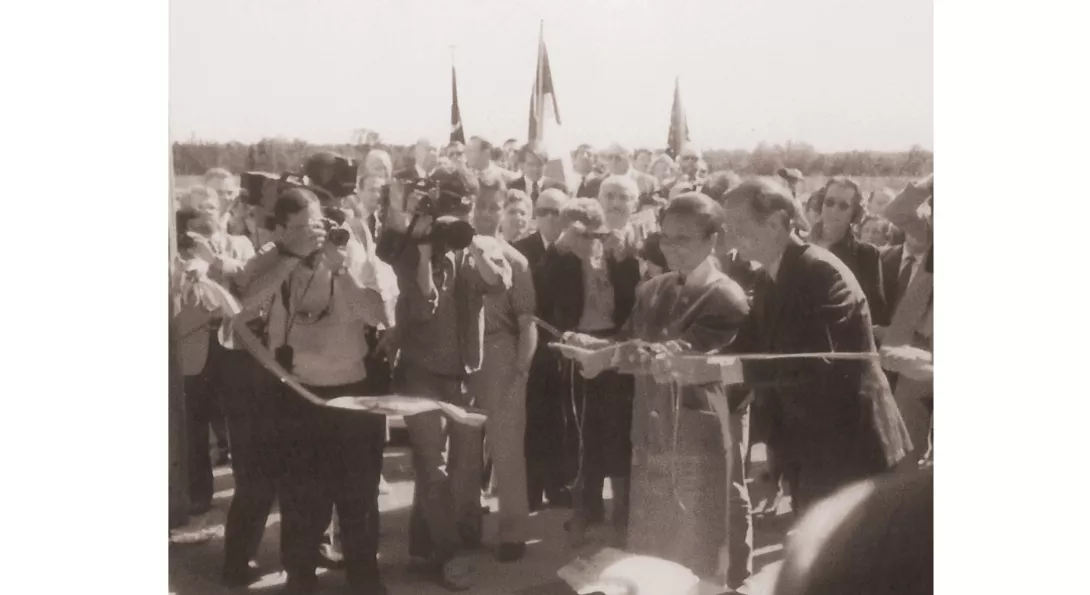
In 1992, we carried out our first external growth transaction. Apart from the development of marinas and their facilities and an unquestionable tourist boom in the French Overseas territories, various tax relief laws enabled the creation of small new yards in France. This was how CNB was created in Bordeaux.

In 1995, Jeanneau  was our second area of external growth. A chance to make peace with our long-time great challenger would be the high point in our history and probably that of the French sailing industry too.

It would be a tough fight. The administrative services in Paris had decided to restructure the sailing industry. In this restructuring, “they” defined our future, but what right was it of theirs? I became aware of this after a loyal friend confided in me at the Paris Boat Show, but it was nearly too late. I was completely outraged! I immediately returned to Vendée, isolated myself to think things through better and, once again, I called my faithful solicitor. Their maneuvers were sufficiently crude to enable us to attack. So we attacked. The tribunal gave us an extra week to hand in our offer. In short, the hearing arrived and, in their wisdom, the Court of La Roche-sur-Yon preferred our project. I was shattered when I finally went home and I only remember the smiling faces of my two children, deprived of their mother once again during these Christmas festivities and who, thanks to their loyal nanny, Joselyne, were happily waiting for me with a bunch of roses.

These two days over, this union meant a lot to me. It was the coming together of two Vendée families and two companies faced with the same problems and which immediately spoke the same language. They were two teams who, the day before, felt they were each better than the other. They would discover that they each had their pros and cons. So we would decide to focus on each team’s pros and leave the cons to the side. Together, we experienced the very strong market recovery and together, enriched by the contribution of new and experienced men, we changed scale.
2003-2014

ENSURING CONTINUITY, BEYOND THE FATE OF MEN

It was during the crisis that the scale of the business developed. BENETEAU Boatyard became BENETEAU Group. Then came the question of where we would locate our headquarters. It would be at St-Gilles-Croix-de-Vie, facing the harbor entrance, when we bought the restaurant, Les Embruns. It was the place where so much of our business had been done and where, facing the piers, our father took us as children to witness the launch of his last trawler, not hesitating to criticize his own work, before leading us off to his office, where he would change his plan for the next boat.

2004.Everything was going well. Our development was spectacular. We were building new factories and renovating the existing production plants with the Béri design office under the leadership of Yvon Bénéteau. We were increasing our market share, but we were no longer a small family-run company. As for me, forty years had flown by, life had taught me much about the problems connected with succession and my responsibility would be to anticipate the future, particularly in this area.

BENETEAU Saint Gilles

This brought me to initiate and oh so important yet difficult phase. This would be to set up a real governing body for the Group to ensure its continuity in the future, beyond the fate of men. It is our duty towards our employees, customers, and suppliers, as well as non-family member shareholders who have put their faith in us.

This governing body would be comprised of a Board of Directors, mostly family members, as well as a Managing Director, up until now, from the family. We would adopt a method of governance comprised of a Supervisory Board – extended to people outside and skilled in very specific areas – as well as an operational board of directors.


DOWNLOAD THE WHOLE TEXT

2004

Air Step - The Revolution of the Hull Structure

The early 2000s were marked by a major technical innovation that completely changed the performance of motorboats: the Air Step hull structure.

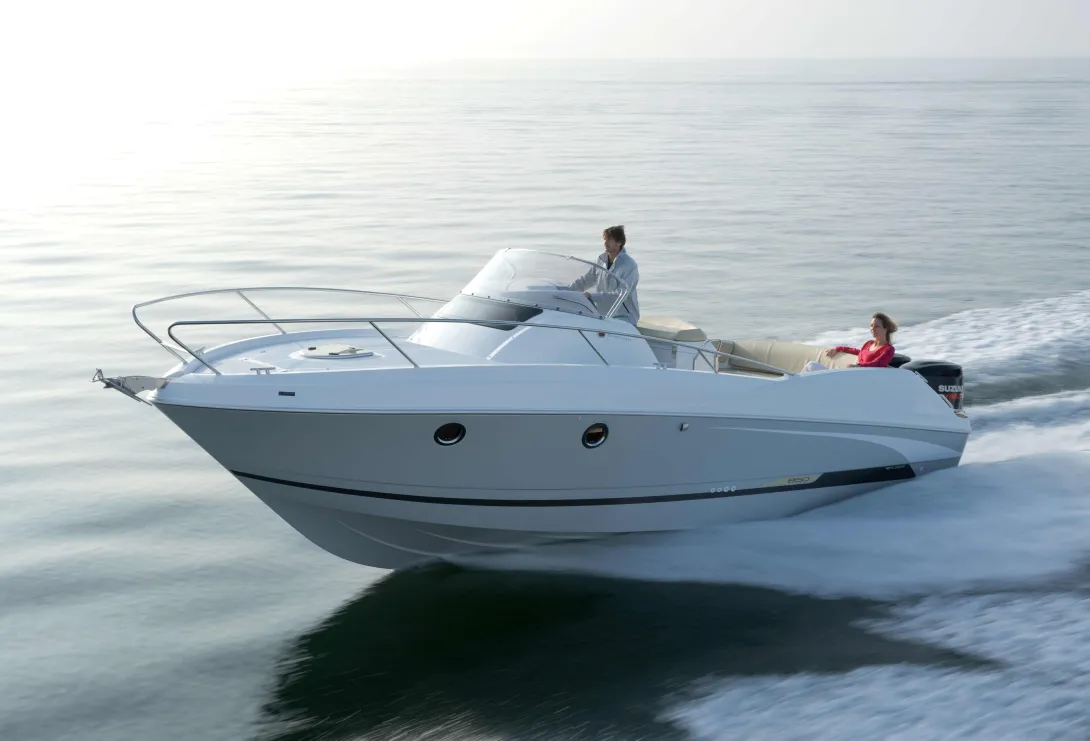
Developed from 2003 and launched in 2004 on ranges such as the Flyer, this patented technology uses a system of moulded steps and grooves to draw in air and pull it under the hull. The air cushion created in this way reduces the surface area in contact with the water and significantly optimises performance.

air-step-beneteau


The Air Step has had a triple effect, improved top speed, significant fuel consumption saving (better fuel efficiency), and greater comfort, thanks to shock absorption in choppy waters. 

Now available in multiple generations, this innovation is a key technical feature of the brand’s motorboat and outboard ranges, that reflects BENETEAU's ongoing pursuit for more efficient and enjoyable navigation.

2004

The Emergence of a New Reference — The Swift Trawler Range

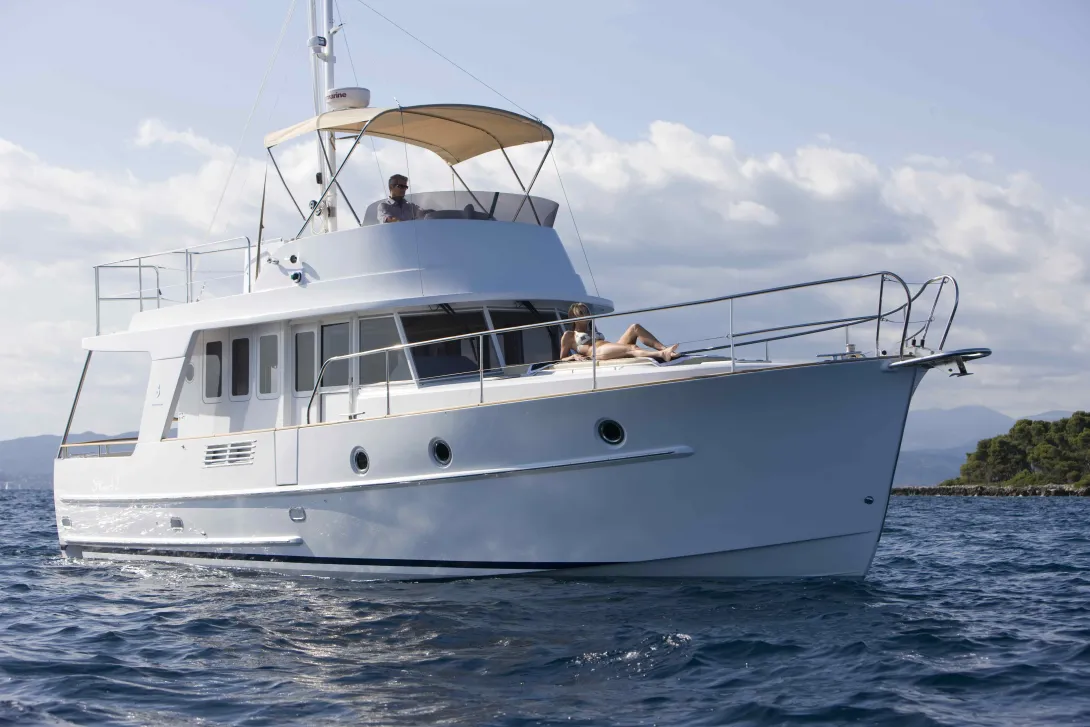
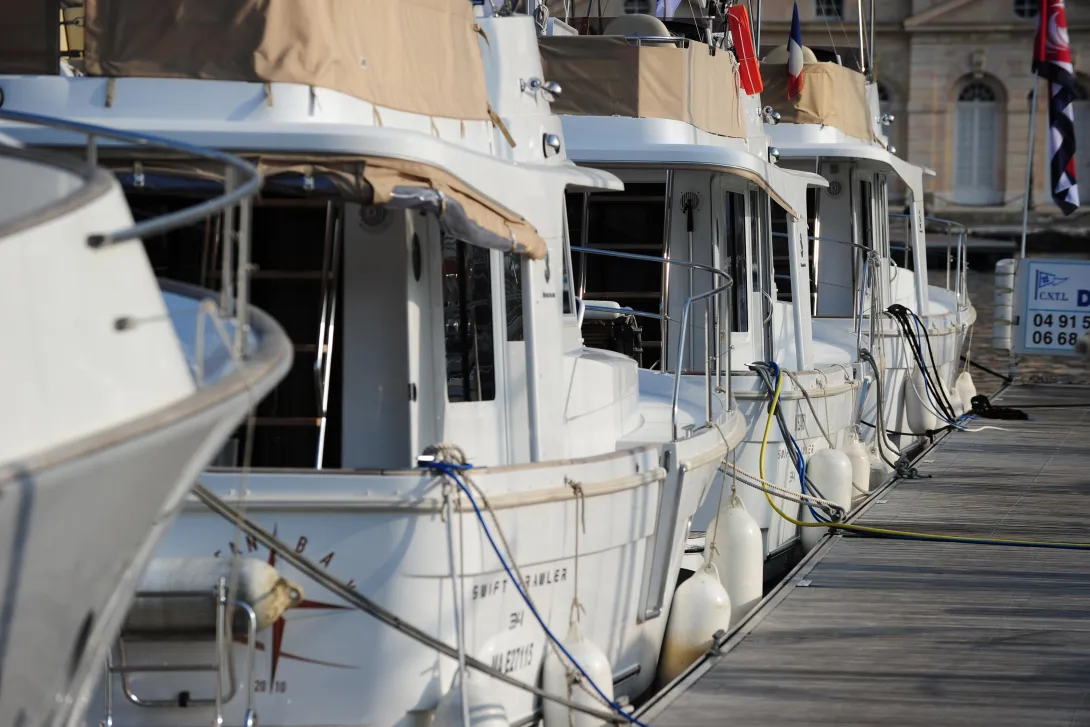
The year 2004 marked a milestone in the history of leisure boating with the launch of the Swift Trawler 42, the first model in a range whose bold design reinvented the trawler concept.

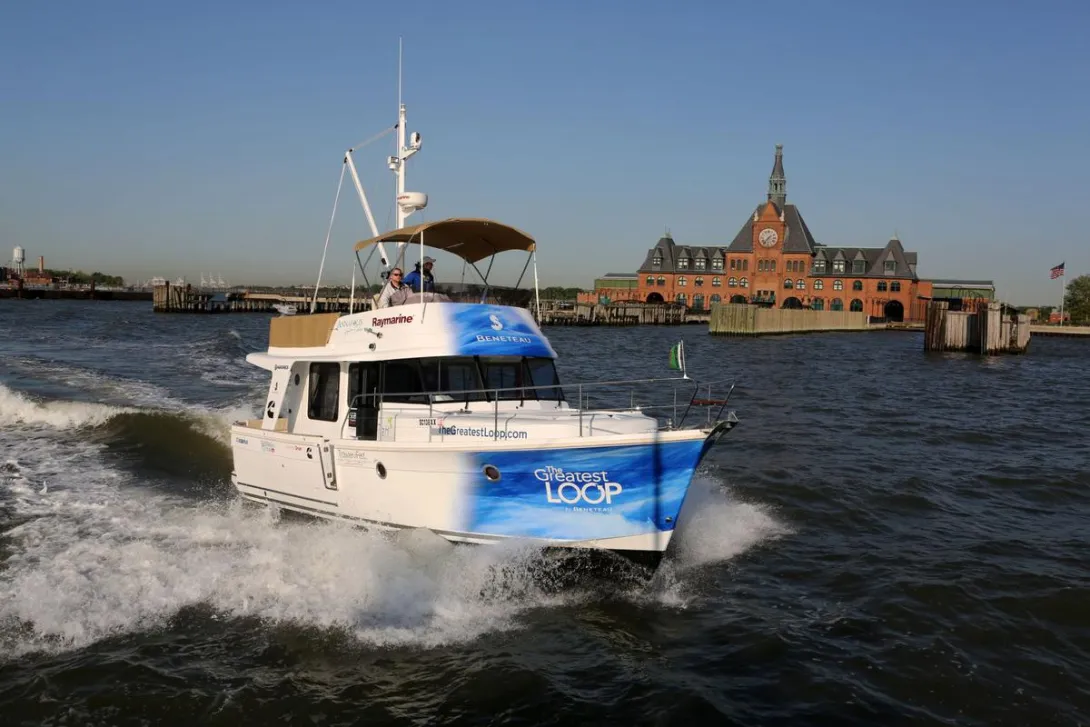
It is no longer just a boat, but a travel philosophy. Designed for long-distance boating enthusiasts, eager to discover new places and people, the Swift Trawler quickly became a universal success, establishing themselves as the global reference for modern "passagemakers".

swift-trawler-2004

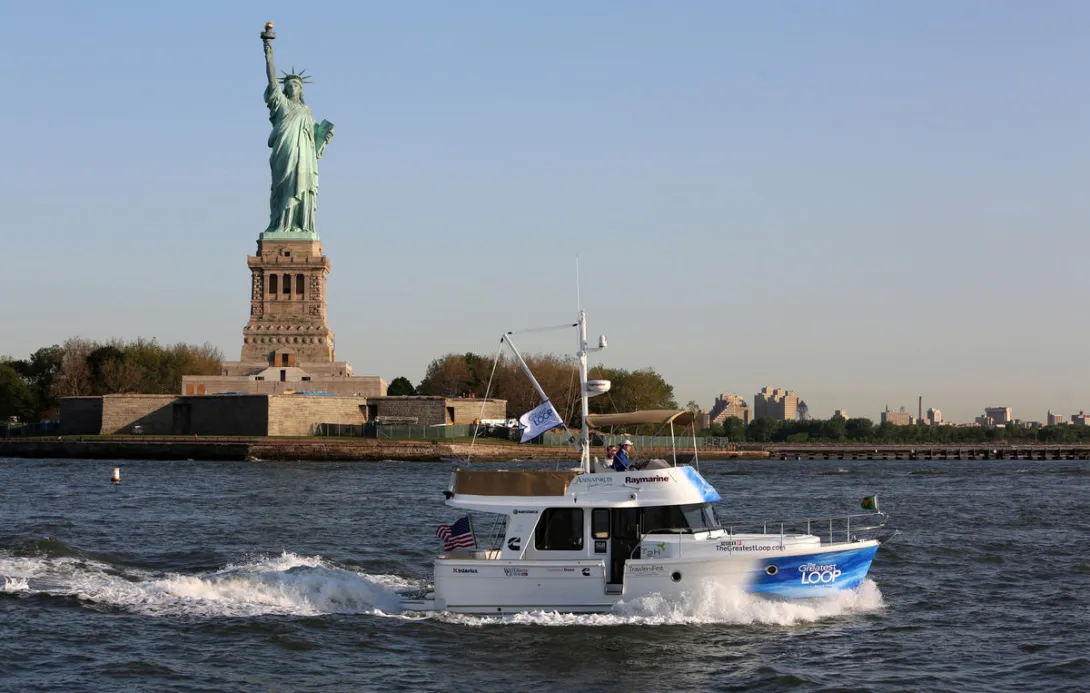
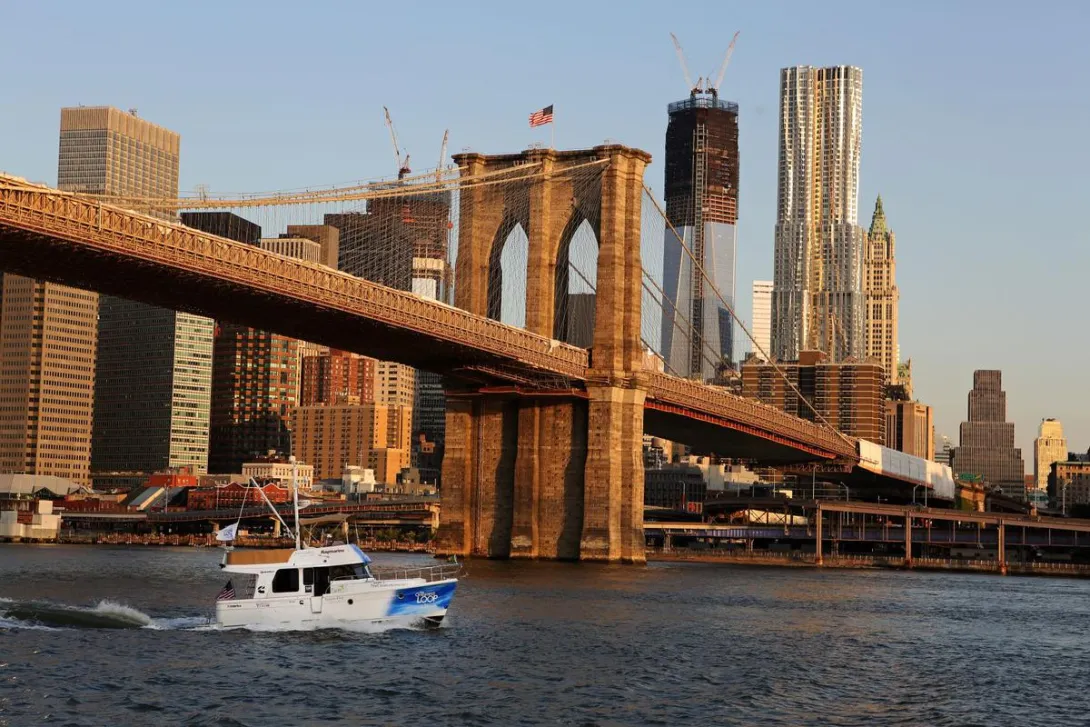
Beyond its proven seaworthiness (reliability and fuel efficiency), the Swift Trawler is a lifestyle choice. Its versatility - perfect for voyages such as The Great Loop (combining inland and ocean navigation), creates a strong sense of community. Owners take pride in being part of this tradition of travellers, embodying a lifestyle that combines adventure with refined comfort.

swift-trawler-the-greatest-loop-1
great-loop-beneteau-7.jpg
great-loop-beneteau-3.jpg

2005

The Undeniable Success of the Cyclade Range

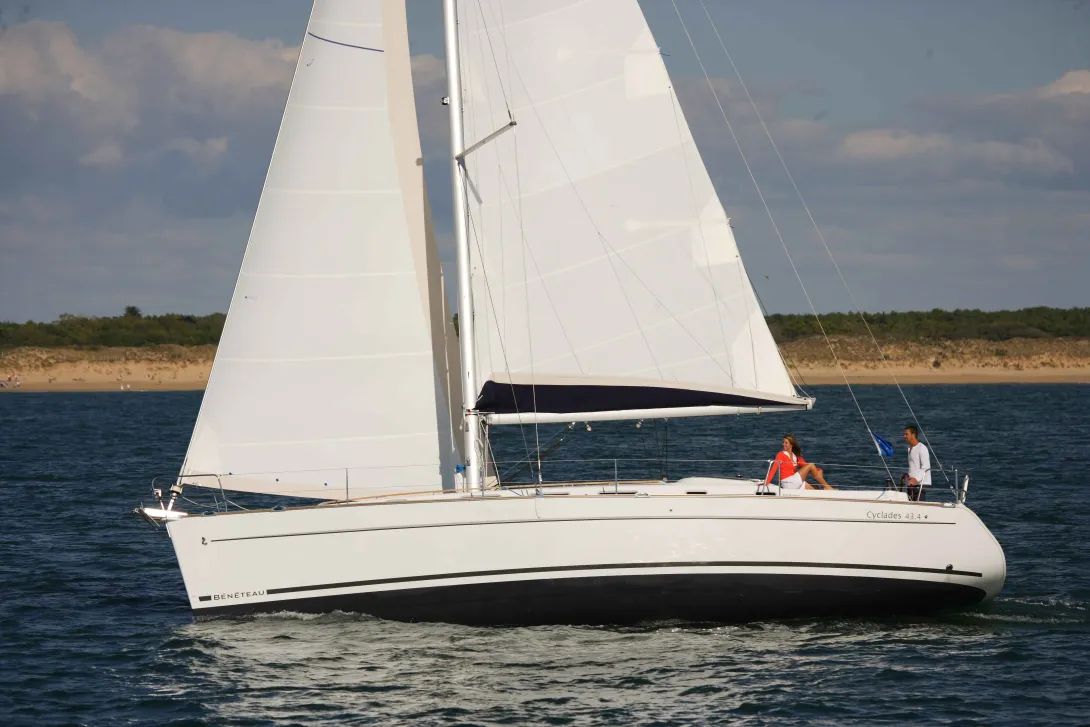
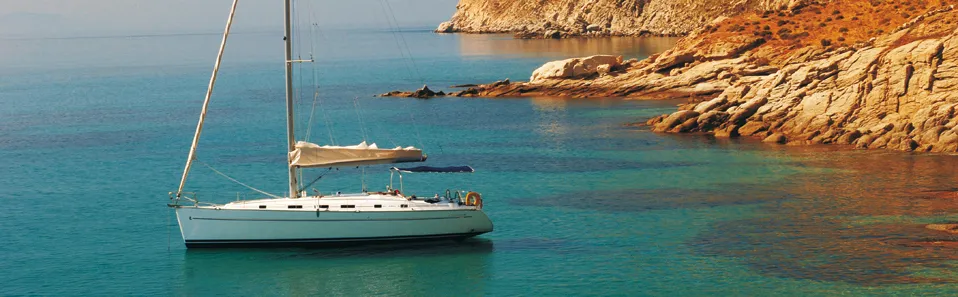
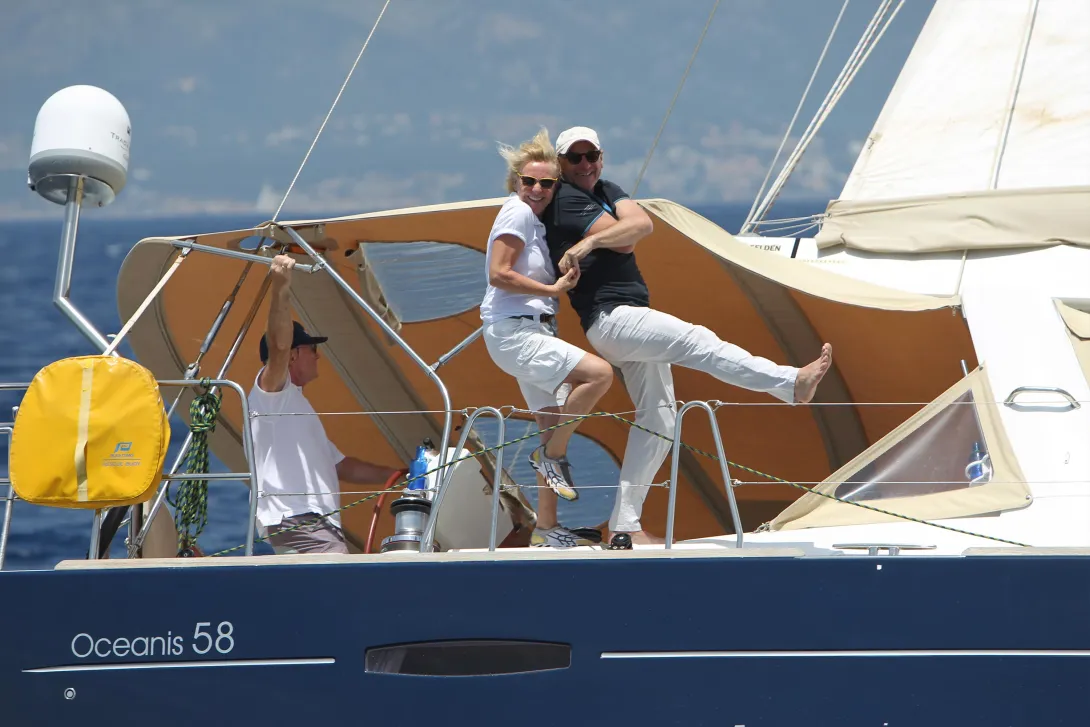
The year 2005 witnessed the strategic launch of the Cyclade range. While it enjoyed great success and became a favourite choice amongst international charter companies, its main aim was to provide a highly well-designed sailing yacht, dedicated to simplicity and the pure pleasure of navigation. These qualities - robustness, optimum ergonomics and unrestricted comfort - have also appealed to many owners looking for a reliable and user-friendly boat for their cruises.

cyclade-gamme-beneteau

The strength of the Cyclade range resides in its highly ingenious design, which combines robustness and maximum functionality. The cockpit layout was optimised for simplicity, with manoeuvres facilitated by the genoa winches positioned close to the helmsman and instrument mounts perfectly integrated into the consoles for smooth steering. When it comes to comfort, the teak companionway doors with vents (saloon-style) provide both stylishness and ventilation, with practical cup holders that complete the helm station. The interior space has also been maximised to provide numerous comfortable cabins, which is a major advantage. Finally, the design incorporates practical solutions for operation and maintenance, such as removable toe rails in the cockpit to facilitate cleaning, and foldable mast steps to ensure safety and accessibility.

Thanks to this perfect blend of easy handling, spaciousness and low-maintenance design, the Cyclade range has established itself as a cornerstone of the global charter fleet, while also becoming the preferred choice for owner-sailors. 

2005-histoire-beneteau-ok

2006

A Dynamic and Strategic Entry into the Express Cruiser Segment

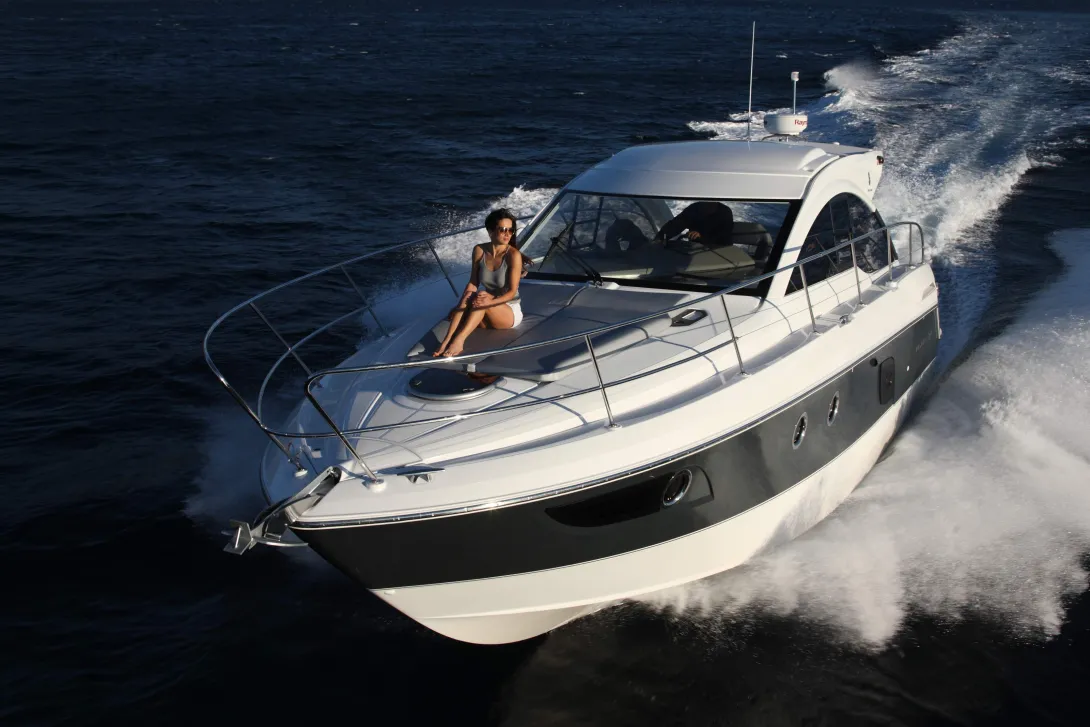
The year 2006 marked a daring turning point with the company’s decisive entry onto the highly competitive market for express cruisers and high-end motorboats. This strategic move enabled us to satisfy the expectations of customers seeking performance, innovation and a resolutely contemporary style. 
The Monte Carlo range: A New Standard in Cruise Boats

This ambition took shape with the launch of a range called Monte Carlo, a name that immediately evokes luxury, performance and Mediterranean elegance. 
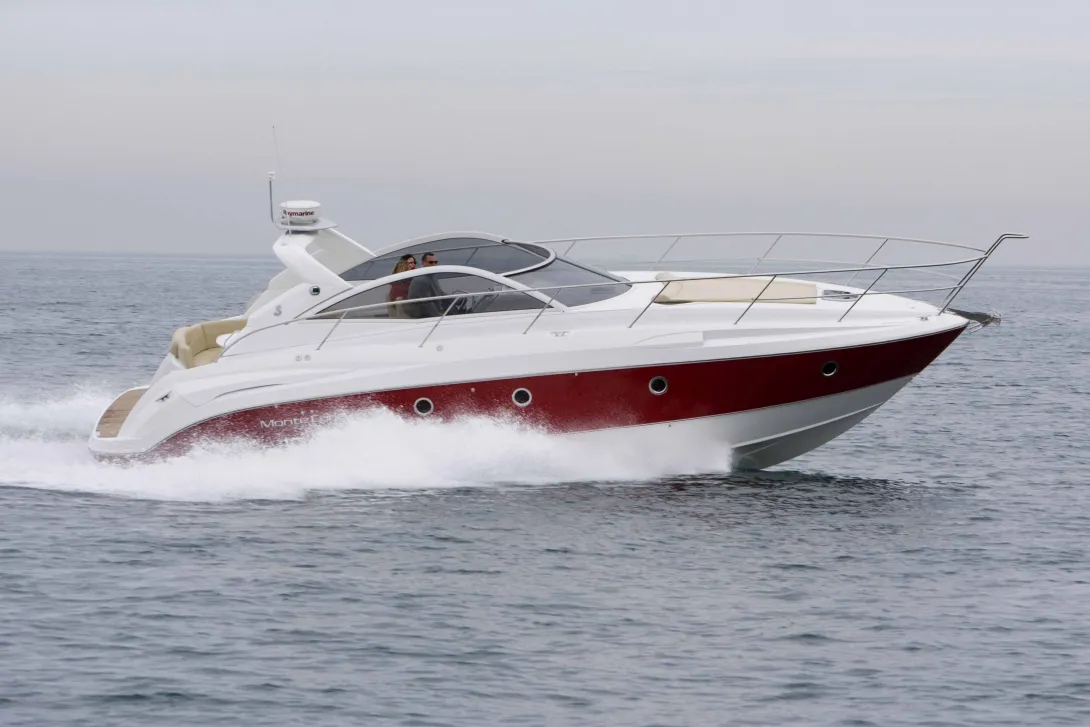
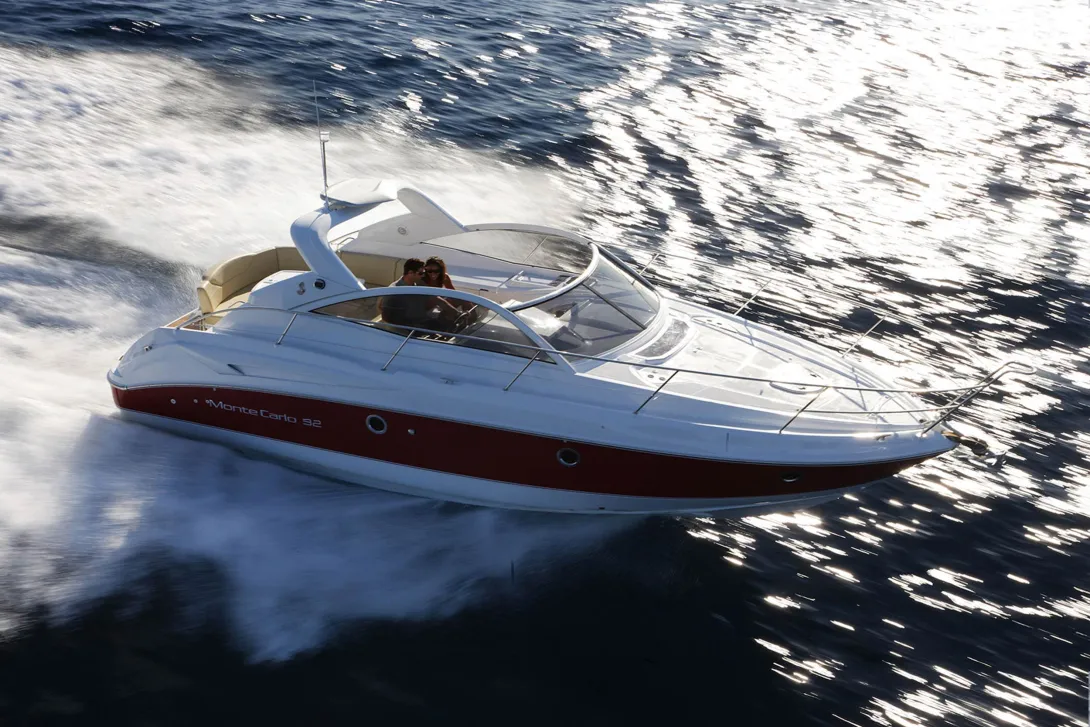
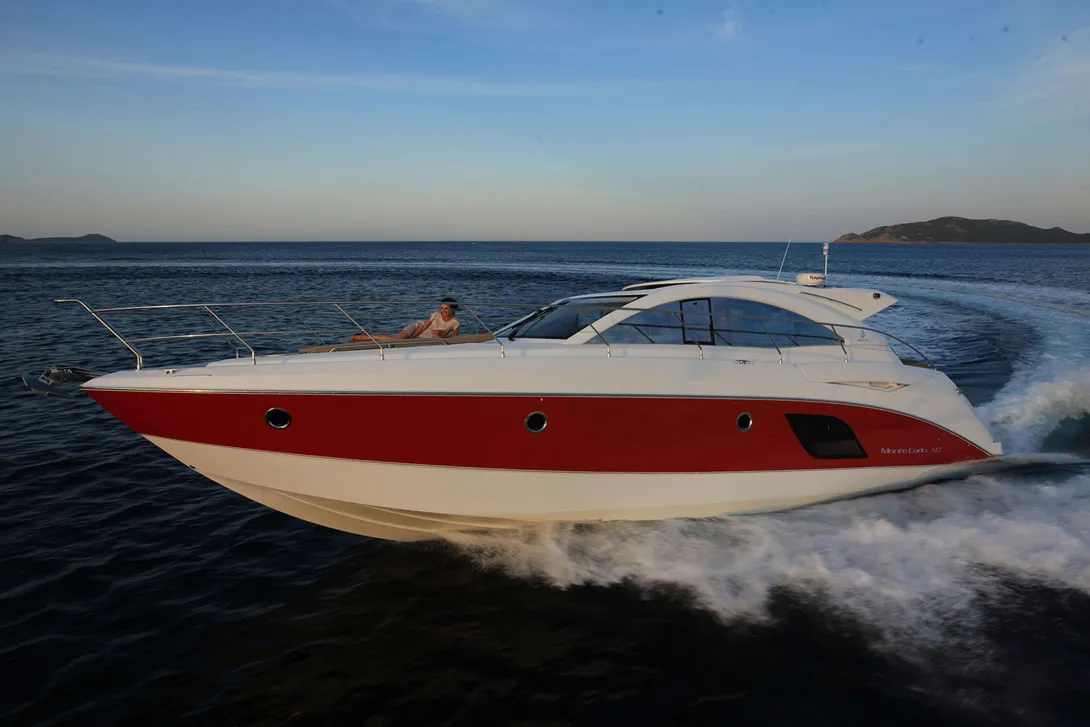
The first models - the Monte Carlo 47, Monte Carlo 32 and Monte Carlo 37 - paved the way for a new standard. They are characterised by a decidedly sporty design, high-performance hulls capable of high speeds (thus the term “express”), and interior layouts designed for cruising comfort and socialising. 
The Gran Turismo: Speed and Sophistication 

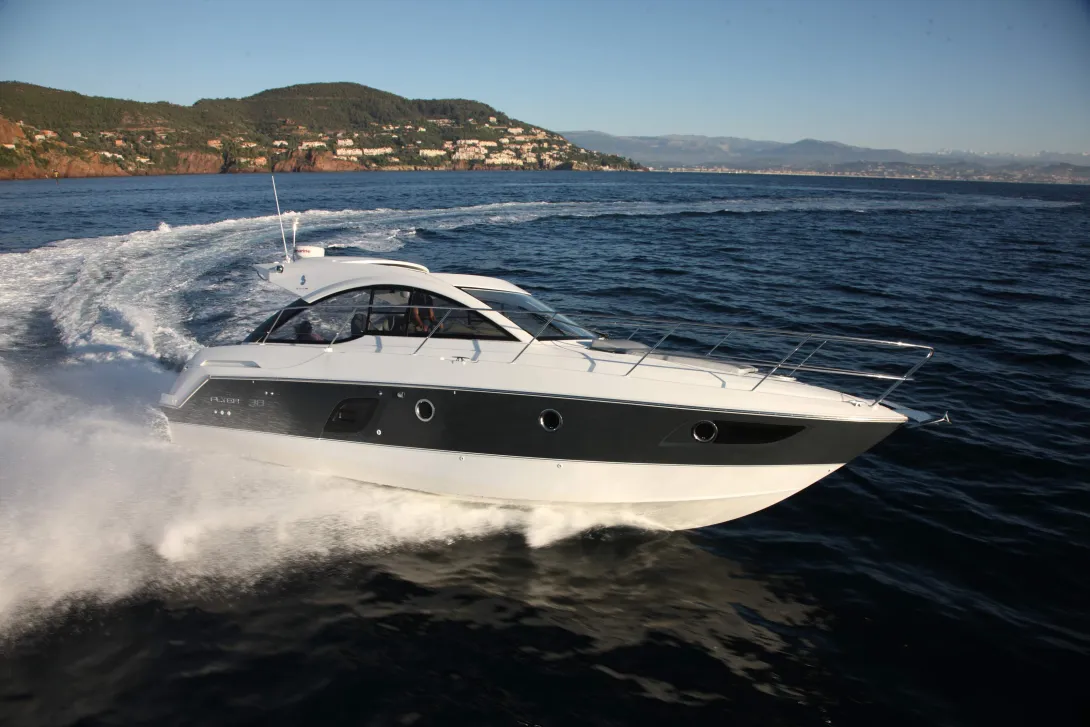
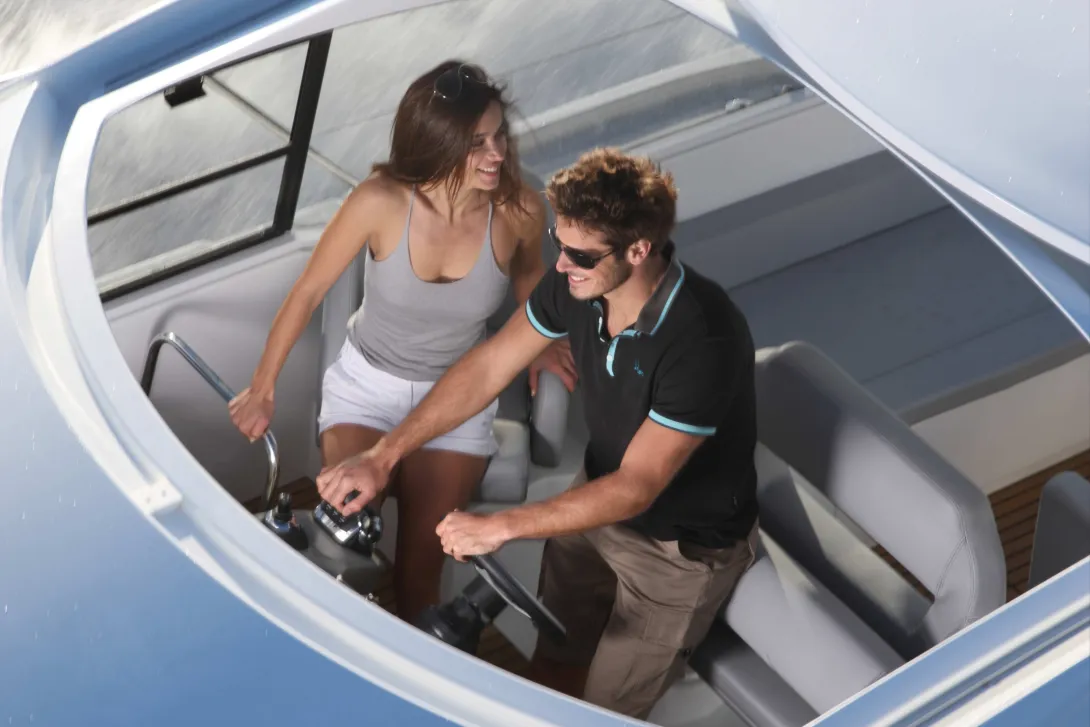
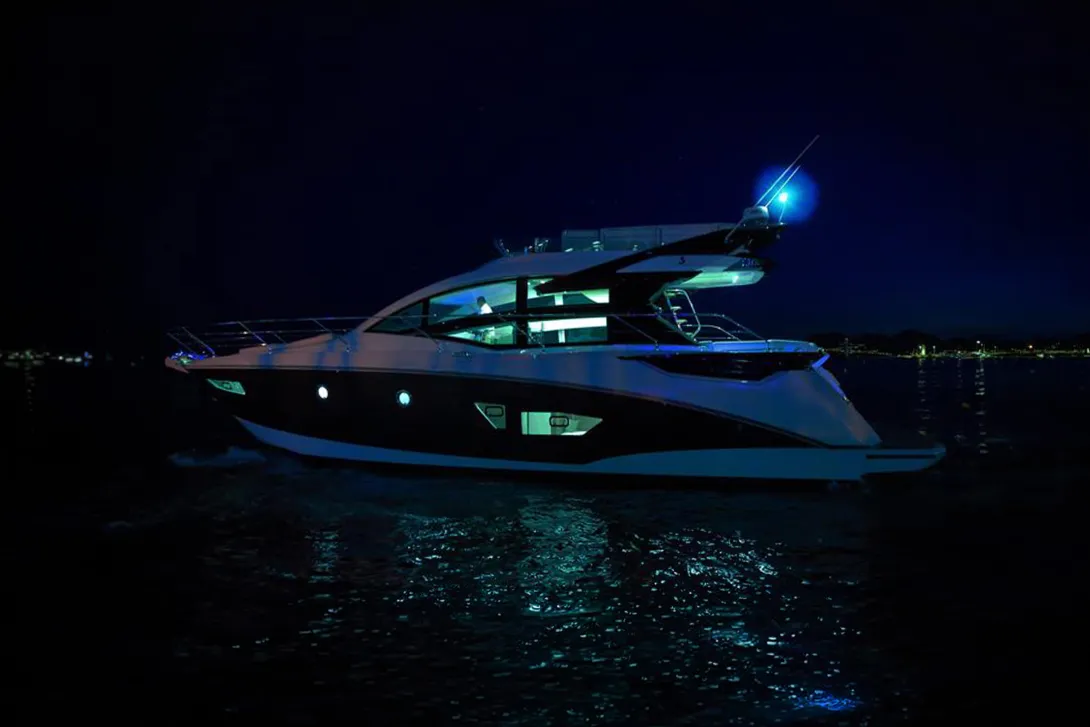
The momentum continues with the launch of the Gran Turismo range. Inspired by the world of luxury cars, it symbolises the perfect combination of speed and comfort over long distances. These models embody the very essence of sports motorboats thanks to their unique signature: an electric roof or a retractable hardtop, which offer both the protection of a coupé and the thrill of a convertible.
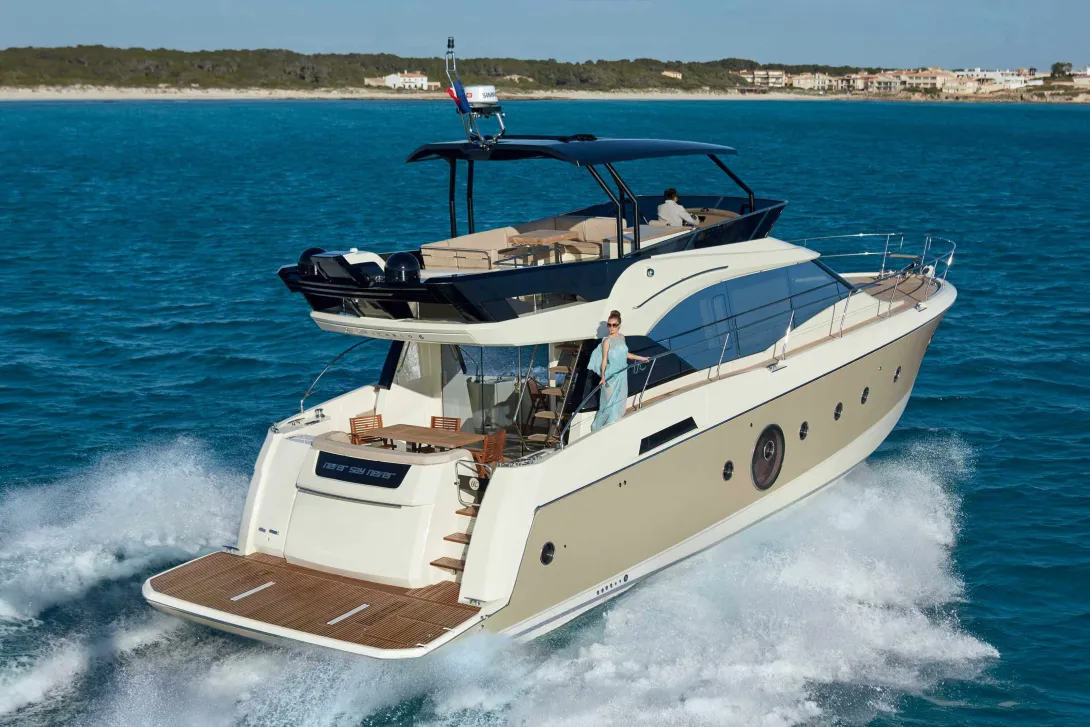
monte-carlo37
monte-carlo32
monte-carlo47
gt-38-beneteau-ok
gt-38-ok
gt-38-hard-top

The New Generation: Monte Carlo Yachts, a Symbol of Excellence 

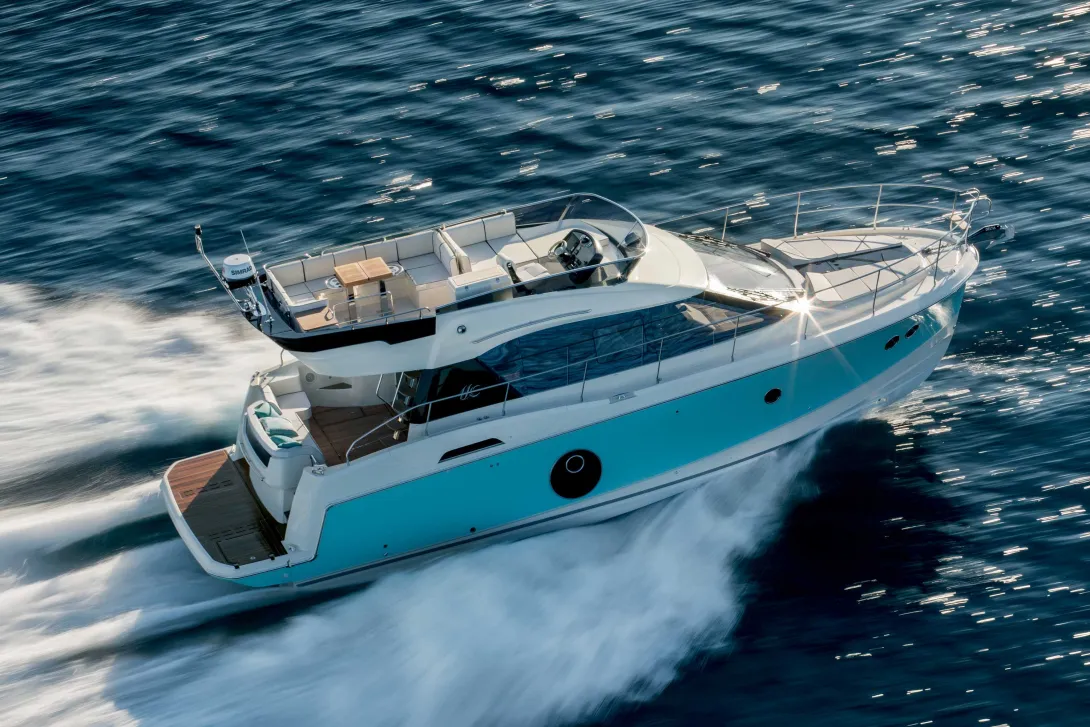
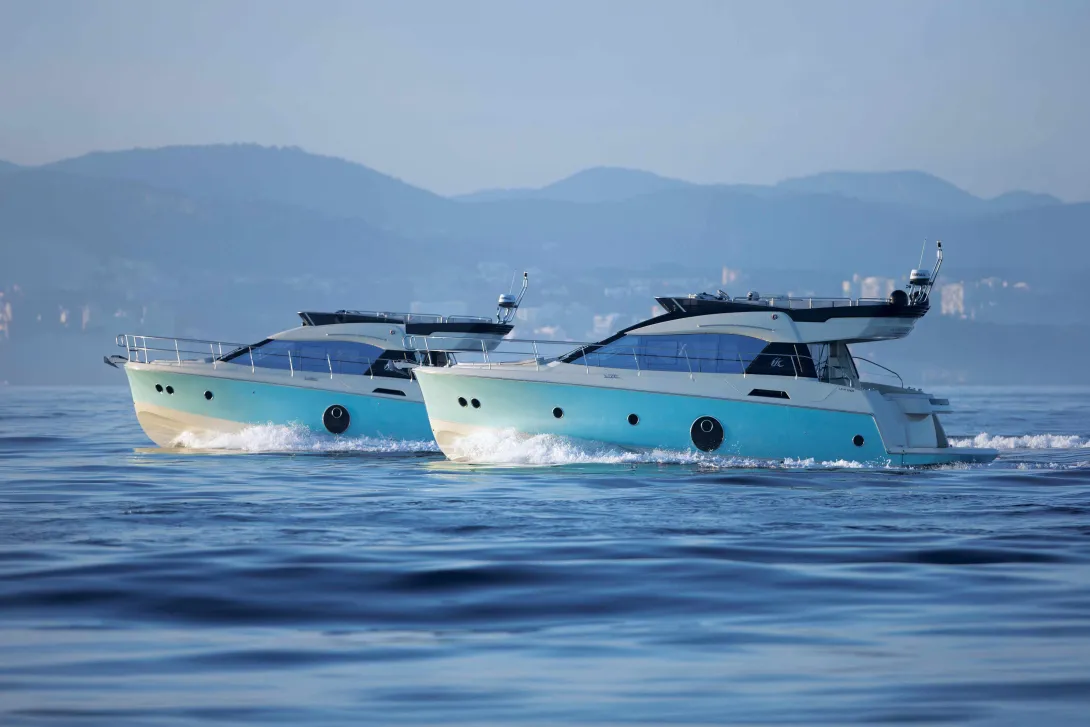
The success of this new trend led to an expansion towards even more luxurious and sophisticated models, notably the top-of-the-range Monte Carlo 4, Monte Carlo 5, Monte Carlo 6 and Monte Carlo 52. These boats reflect the move towards higher-end models and the contribution of the group’s Italian expertise. They provide a level of finish and refinement comparable to that of larger yachts, and have become associated with the pleasure of cruising as well as luxury comfort at sea.  
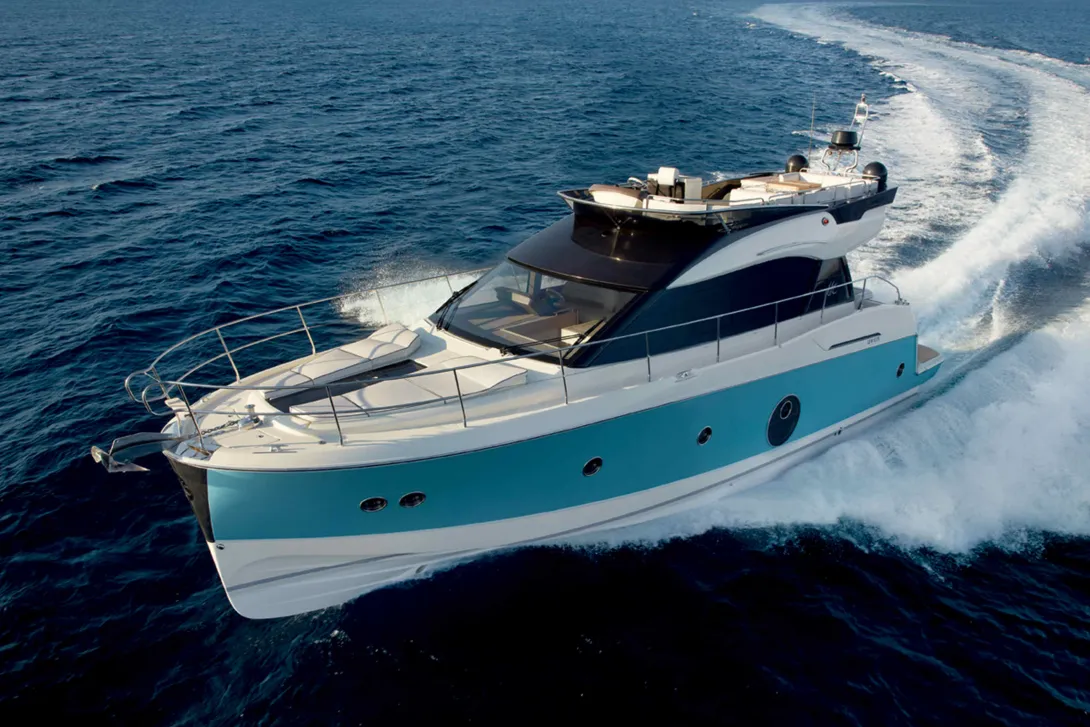
This successful move enabled the company to diversify its range and quickly establish itself as a reference in the Express Cruiser segment.

monte-carlo-4-1
monte-carlo-4
monte-carlo-6
monte-carlo-5

2009

The Strategic Acquisition of the Monfalcone Shipyard

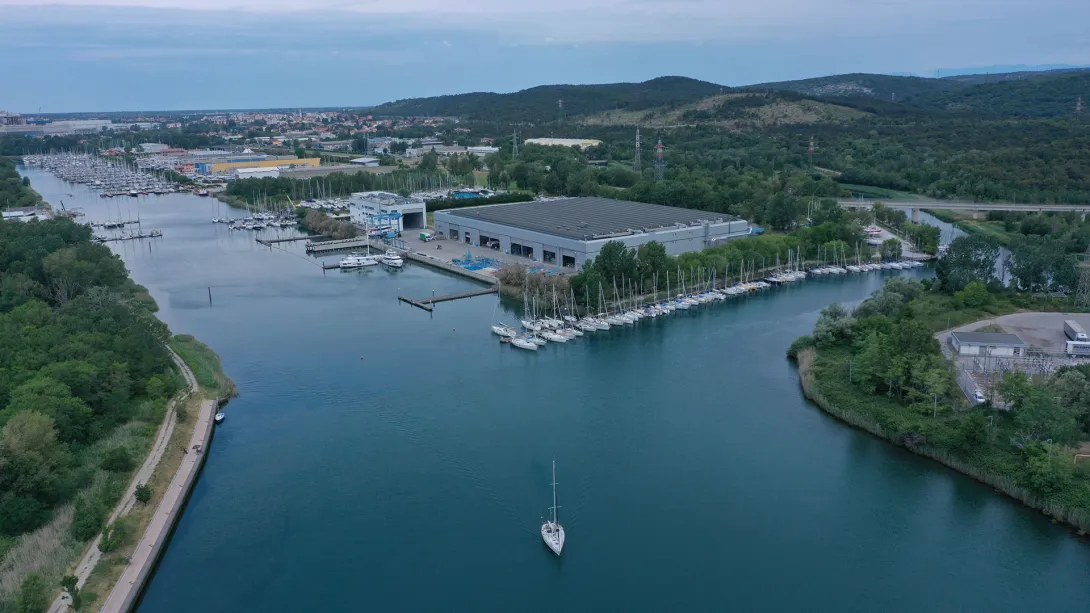
The year 2009 was a strategic turning point in the Group’s history, with the acquisition of the Monfalcone shipyard, located near Trieste (Italy). This major undertaking was aimed to provide the Group with an exceptional production capacity to support its growth in the large and luxury yachting markets. 

montfalcone-beneteau

This new production facility, a true technological gem, is described as "state of the art". Designed according to the very latest industry standards, it offers cutting-edge facilities and equipment that are vital for the construction of large, complex yachts with a high standard of finish. The aim was to dedicate this first-class site, with its large size and sophisticated facilities, exclusively to the production of the Beneteau Group’s largest vessels and most luxurious models. Today, Monfalcone is the epicentre where innovation and expertise converge to create the flagship models of the yachting world, thus consolidating the Group’s position on the luxury market. 

2010

The Revolutionary Launch of the Sense Range

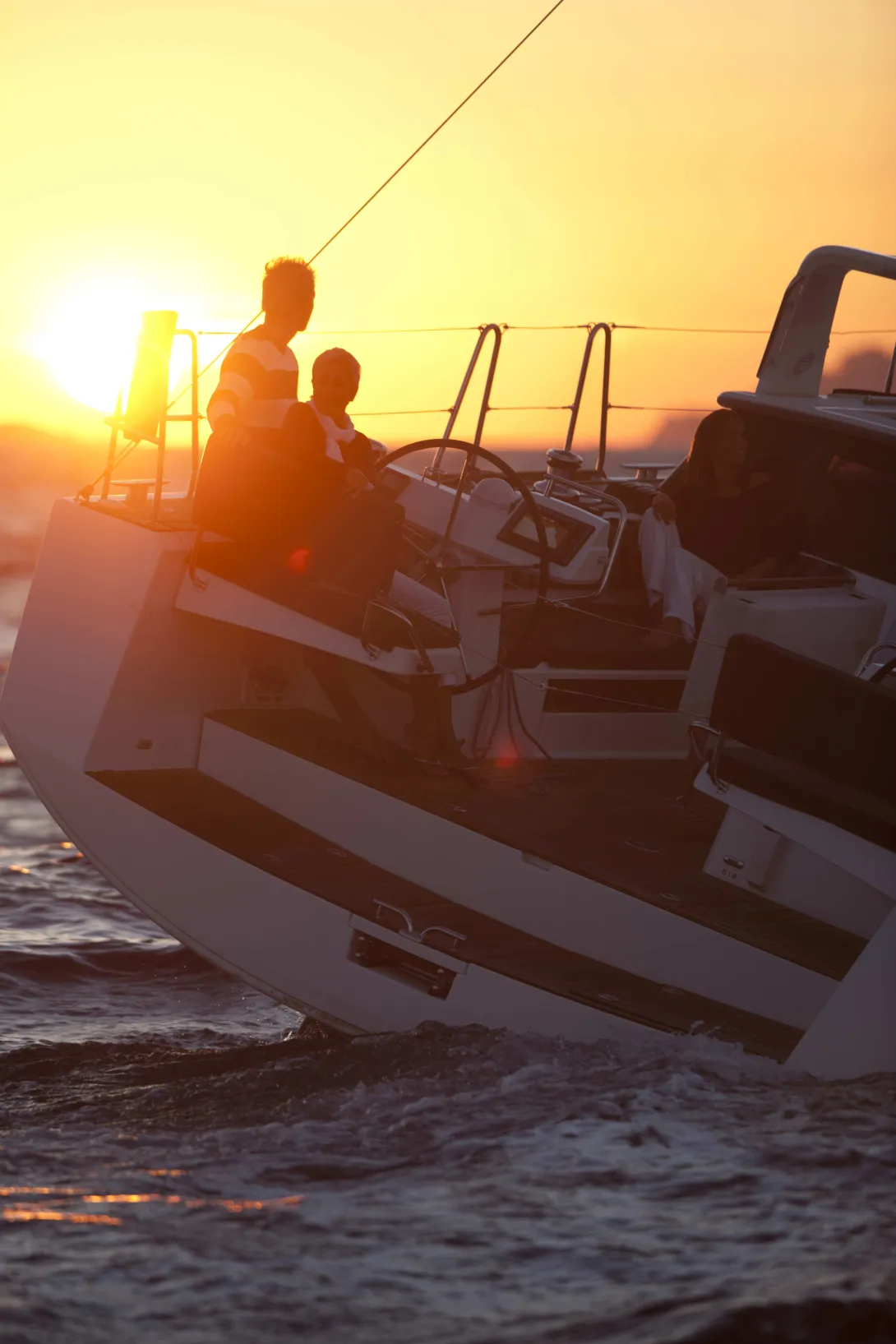
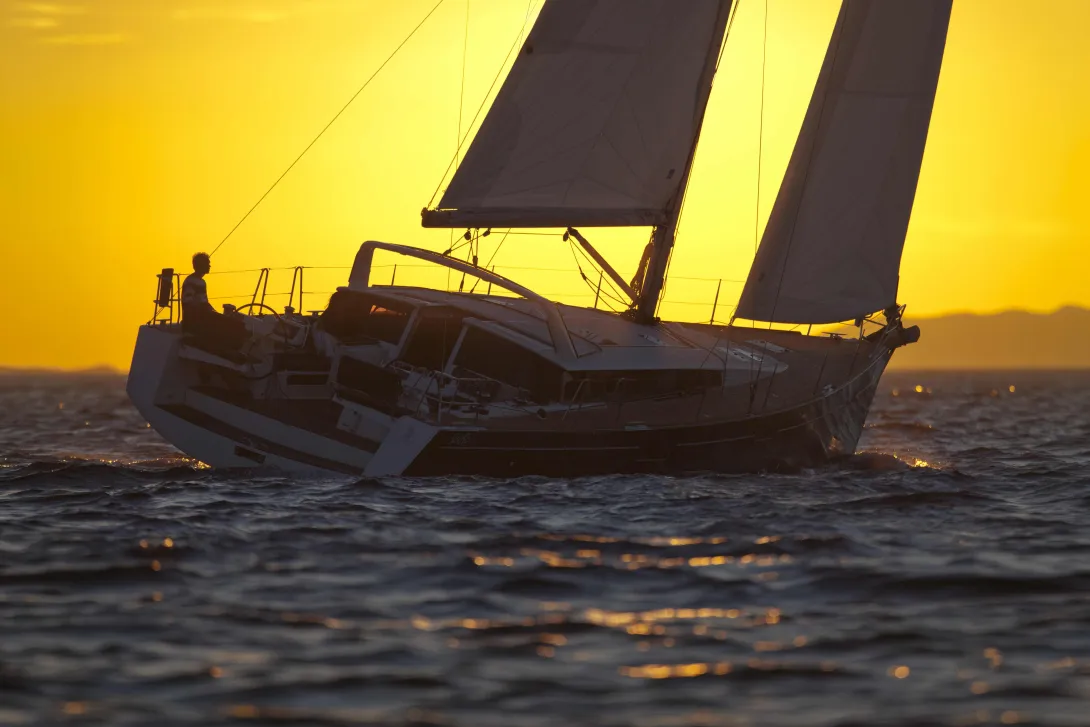
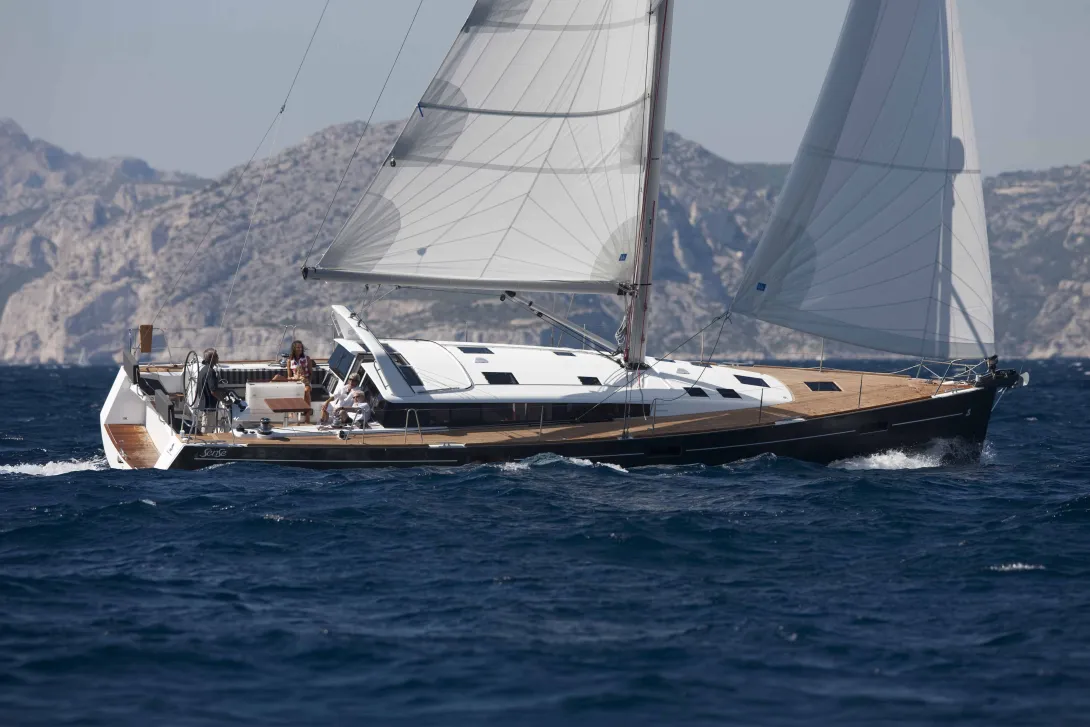
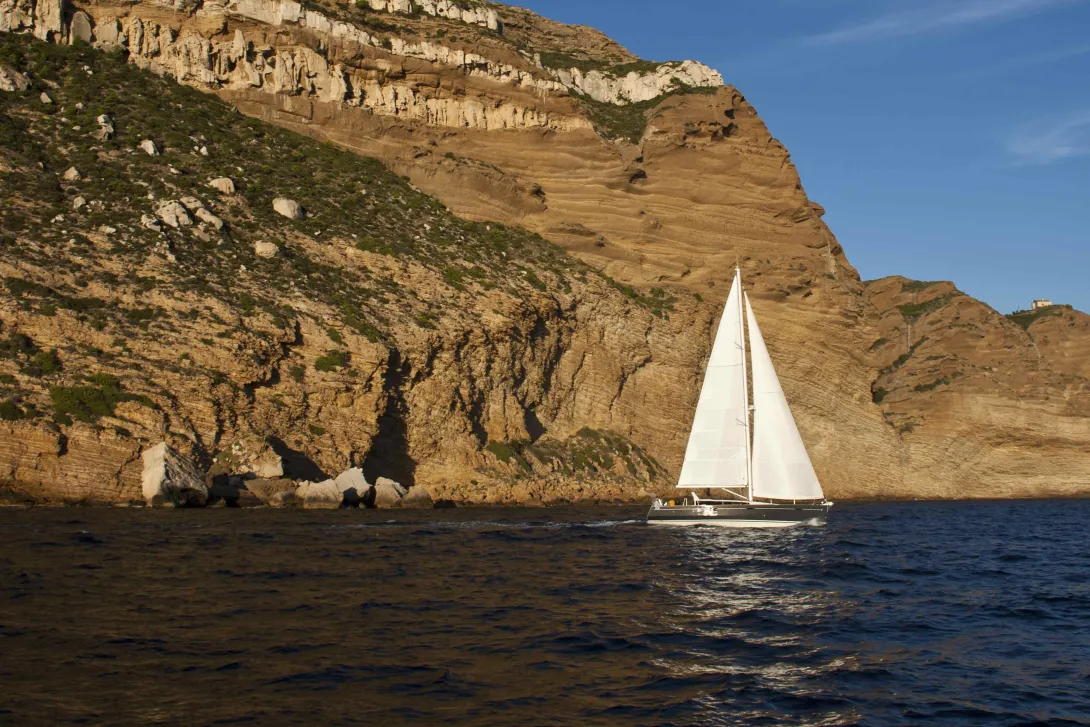
The year 2010 marked a major stylistic and ergonomic break with the launch of the Sense range. This new range of cruising sailboats was designed to redefine the art of living at sea, offering an experience that privileges conviviality and a close connection with the marine environment. 

sense-50-2010

The concept behind the Sense is based on an entirely new architectural vision: lower the freeboard to create a seamless transition between the spacious cockpit and the saloon. This seamless flow of movement and the single level between the interior and exterior create an exceptionally convivial atmosphere that converts the boat into an open-plan living space. The interior design is just as impressive, with a unique layout that maximises natural light and a sense of openness, particularly towards the aft cabins. The Sense thereby enables sailors to truly live “at water level”, offering an unprecedented sensory connection with the sea. Designed for sailors who prefer long-distance cruising, relaxation and socialising, the Sense combines this outstanding comfort with excellent sailing performance, quickly setting a new standard on the modern cruising yacht market.

sense-50-2010-1
sense-50-2010-3
sense-50-2010-4

2011

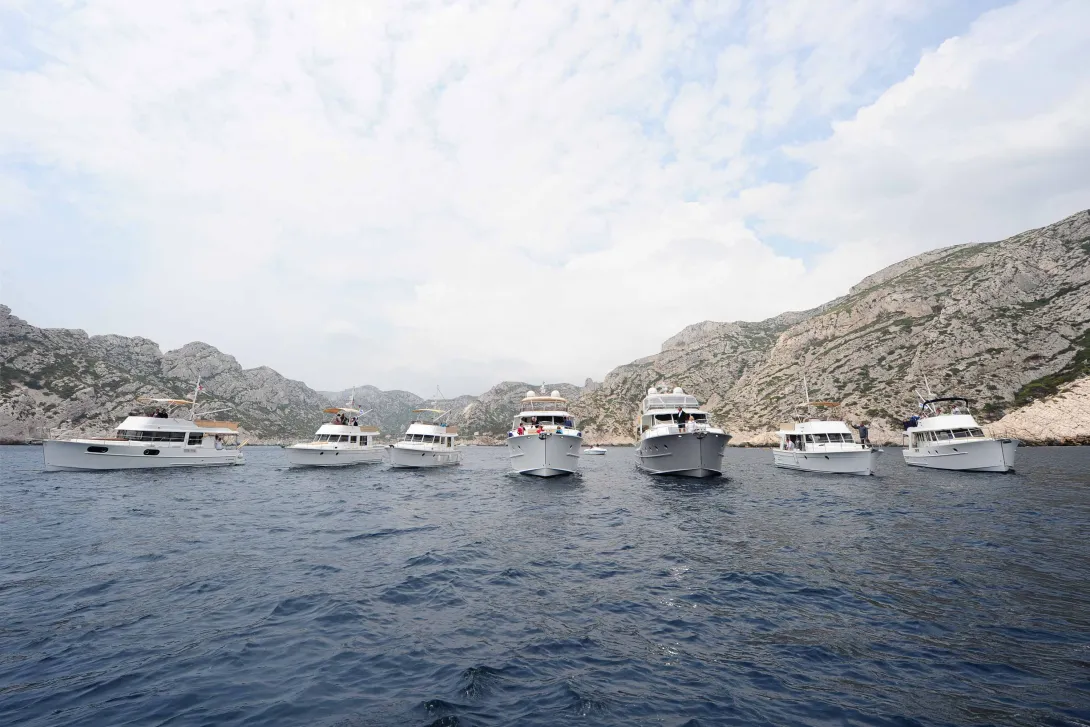
The First Swift Trawler Rendez-Vous - A Celebration of the Community

The year 2011 marked a significant event in the history of the Swift Trawler range, highlighting not only the commercial success of the concept but also its success on a human level: the organisation of the very first Swift Trawler Rendez-Vous.

swift-trawler-rendez-vous-2011

This inaugural meeting is the embodiment of the unique spirit that inspires Swift Trawler owners. More than just an event, the Rendez-Vous marked the official birth of a loyal and passionate community. The immediate success of this event confirmed the owners’ pride in belonging to this community of travellers, who come together to share their sailing experiences and ambitious itineraries, mirroring the great maritime voyages. Designed for long-distance cruising, autonomy and comfortable adventure, the Swift Trawler has thus become the embodiment of a genuine lifestyle philosophy. This annual gathering has quickly become a flagship event for the brand, reinforcing the sense of camaraderie and sharing of expertise amongst sailors, strengthening the Swift Trawler’s reputation as a reference in sea travel.

2012

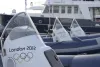
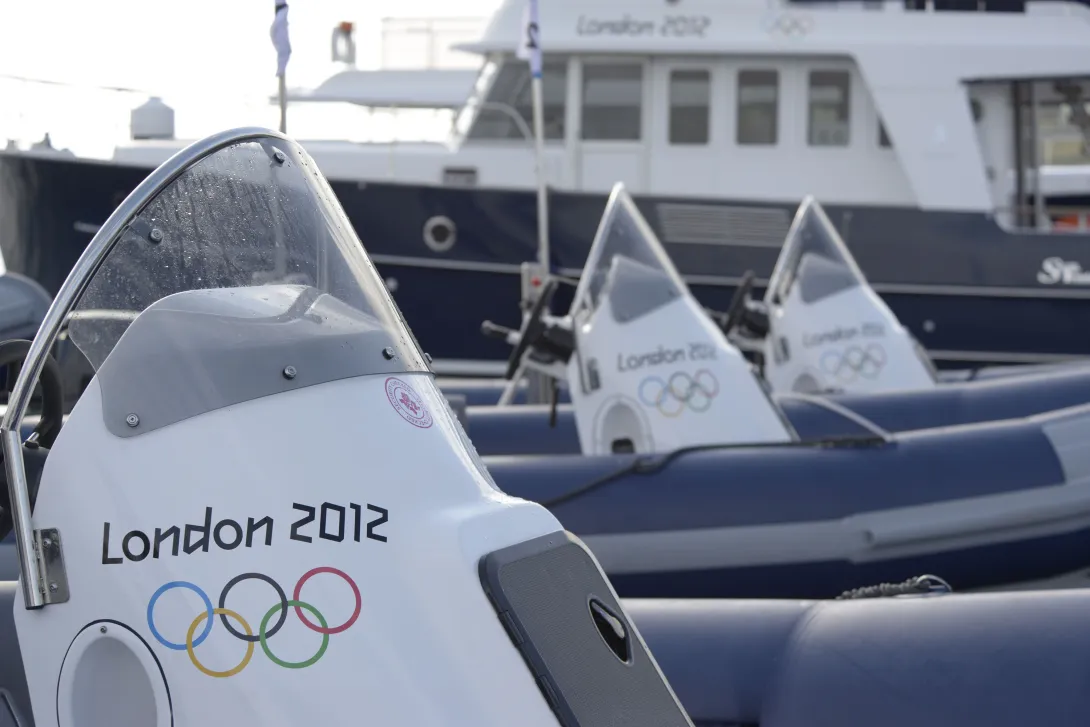
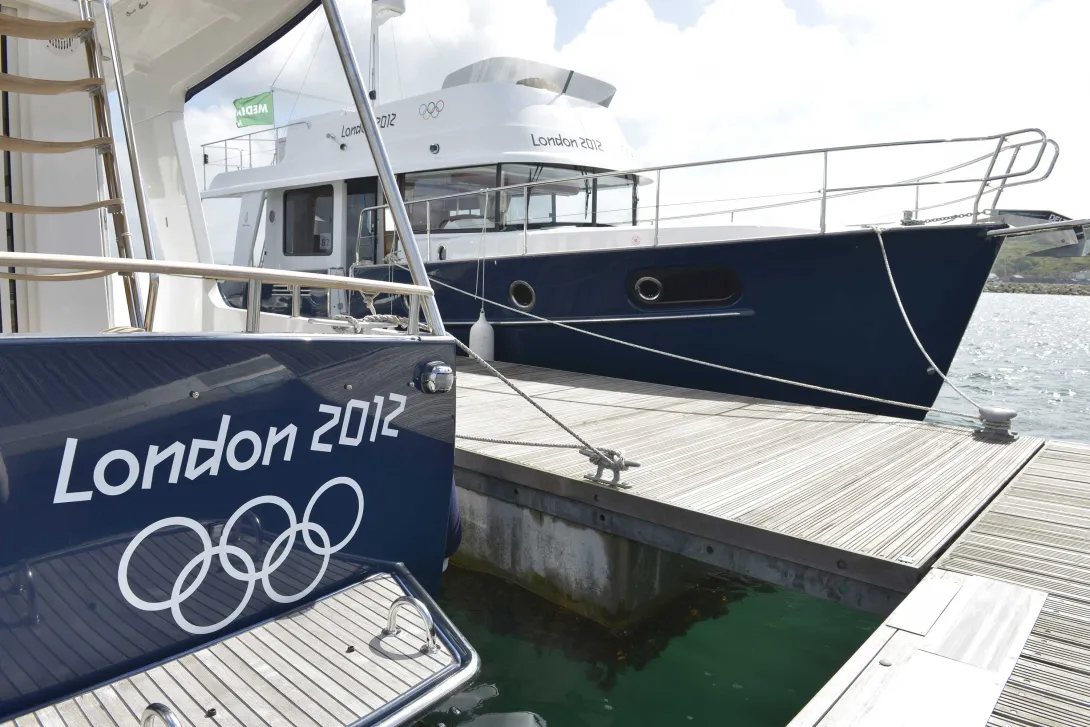
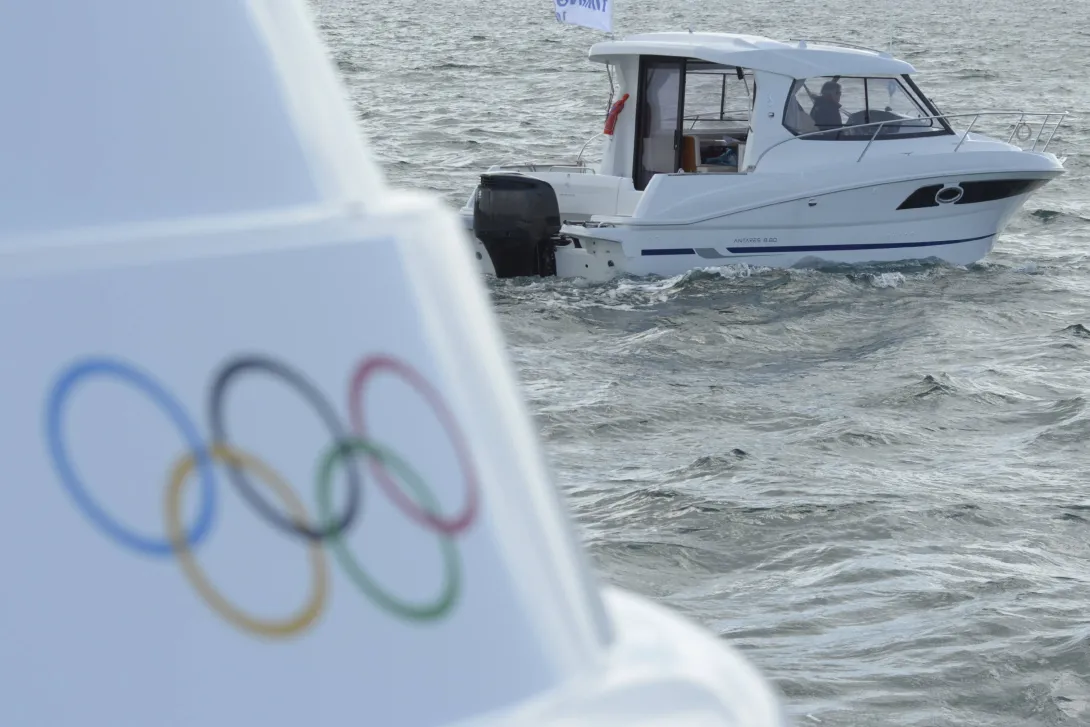
BENETEAU - Prestige Partner at the London Olympic Games

The year 2012 marked the brand’s entry into the highest ranks of world sport: BENETEAU was selected as the official technical supplier for the sailing events during the London Olympic Games.

2012-jeux-olympiques-beneteau-1
2012-jeux-olympiques-beneteau-3
2012-jeux-olympiques-beneteau-2

This prestigious partnership, as part of a global event, demonstrates the international recognition of the company boat models’ reliability and quality. To provide monitoring and assistance during the Olympic regattas, BENETEAU provided the organisers with a substantial fleet of 30 powerboats. This fleet comprised a wide range of models, including the Antares, Swift Trawler, Gran Turismo, Barracuda and Flyer, enabling it to meet all requirements, from transporting VIPs and the media to arbitration and safety operations. These units had a crucial and demanding role, working closely with the athletes. Being selected for this task shows the complete confidence placed in the boats’ precision and seaworthiness. This participation in the Olympic Games, as well as the team’s involvement during the Vendée Globe that same year, confirmed BENETEAU’s expertise and its ability to meet the most demanding performance and safety standards in high-level sport. 

2012

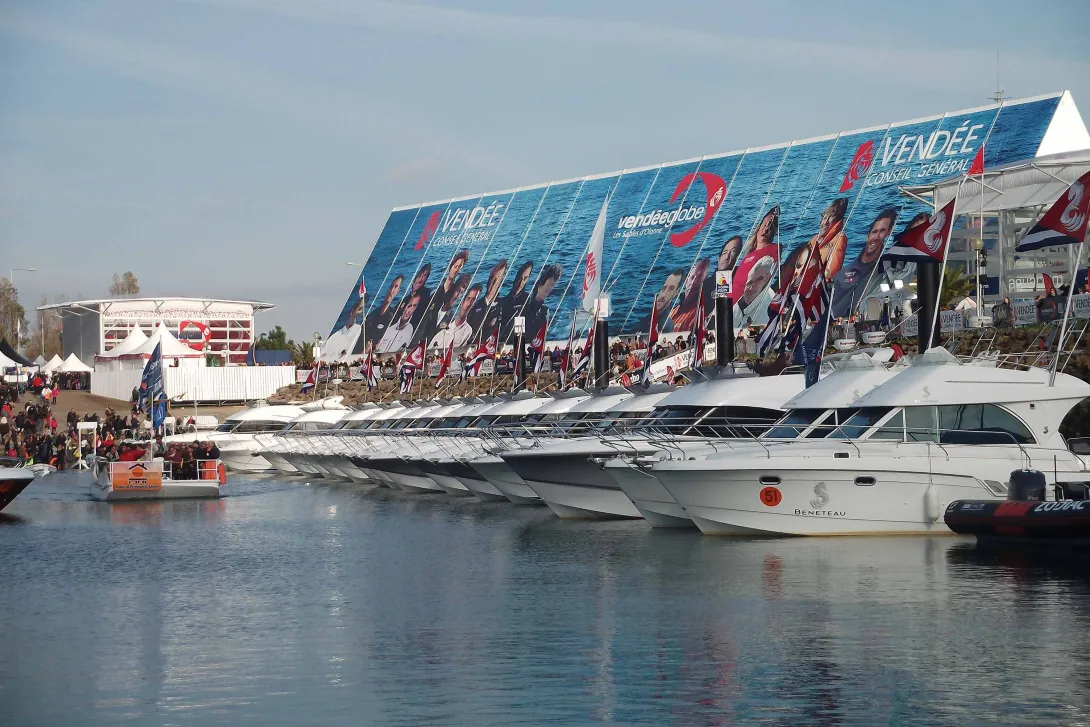
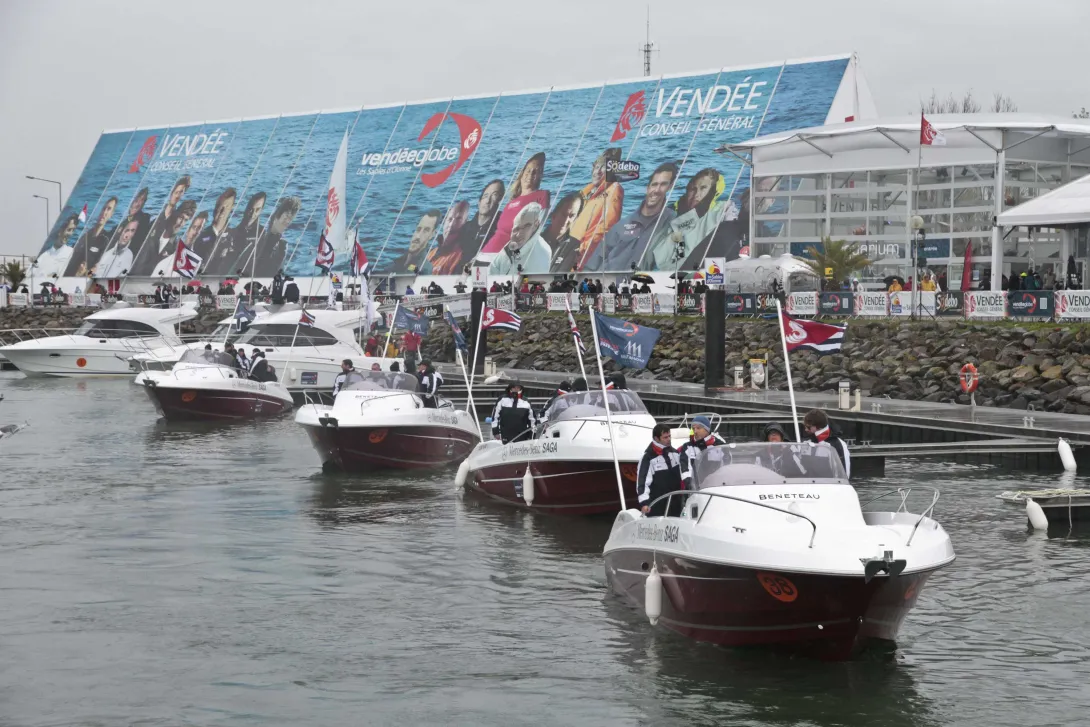
Maritime Expertise at the Heart of the Vendée Globe

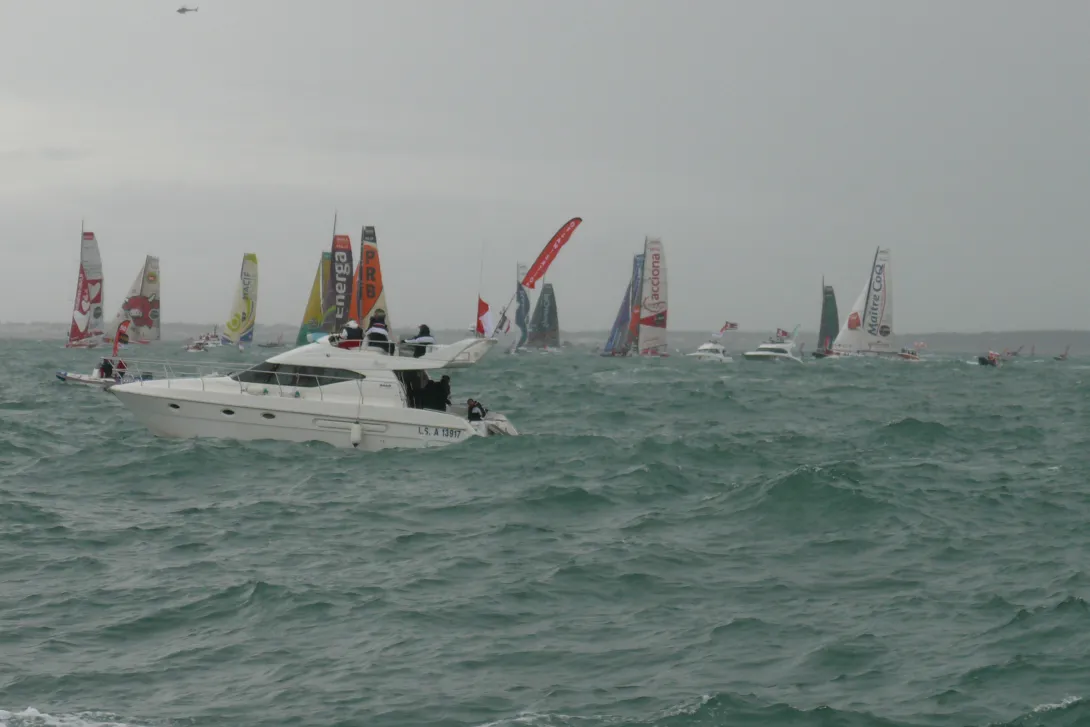
A few months after proving the reliability of its fleet during the Olympic sailing regattas, 2012 continued with a strong and symbolic commitment to ocean sailing races. The brand was appointed official technical supplier to the most demanding single-handed round-the-world race: the Vendée Globe. This historic partnership is not just a sponsorship agreement; it is a clear recognition of the expertise and reliability of BENETEAU yachts in the most extreme offshore conditions.

2012-depart-vendee-globe-1
2012-depart-vendee-globe-2
2012-depart-vendee-globe-3

In Les Sables d’Olonne, the race’s home port, the fleet of BENETEAU motorboats was assigned a crucial safety and support role. The brand’s models provided support to skippers at key moments in the race, particularly during the starts and finishes of the Vendée Globe. These units were positioned as close as possible to the action to provide technical support, ensuring the safety and smooth execution of manoeuvres, sometimes in rough conditions. This commitment put the brand’s expertise to the test, demonstrating the seaworthiness and exceptional robustness of its boats. By joining forces with the daring spirit of the Vendée Globe, BENETEAU reasserts its pride in being a major actor in the world of leisure boating and offshore racing. 

2013

The Inauguration of the Givrand Site

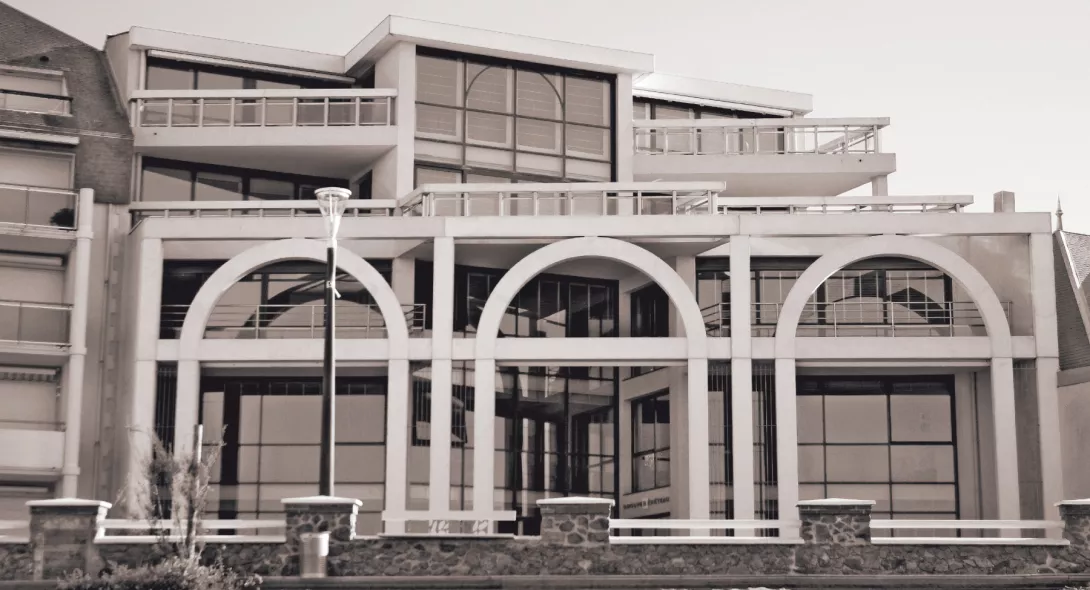
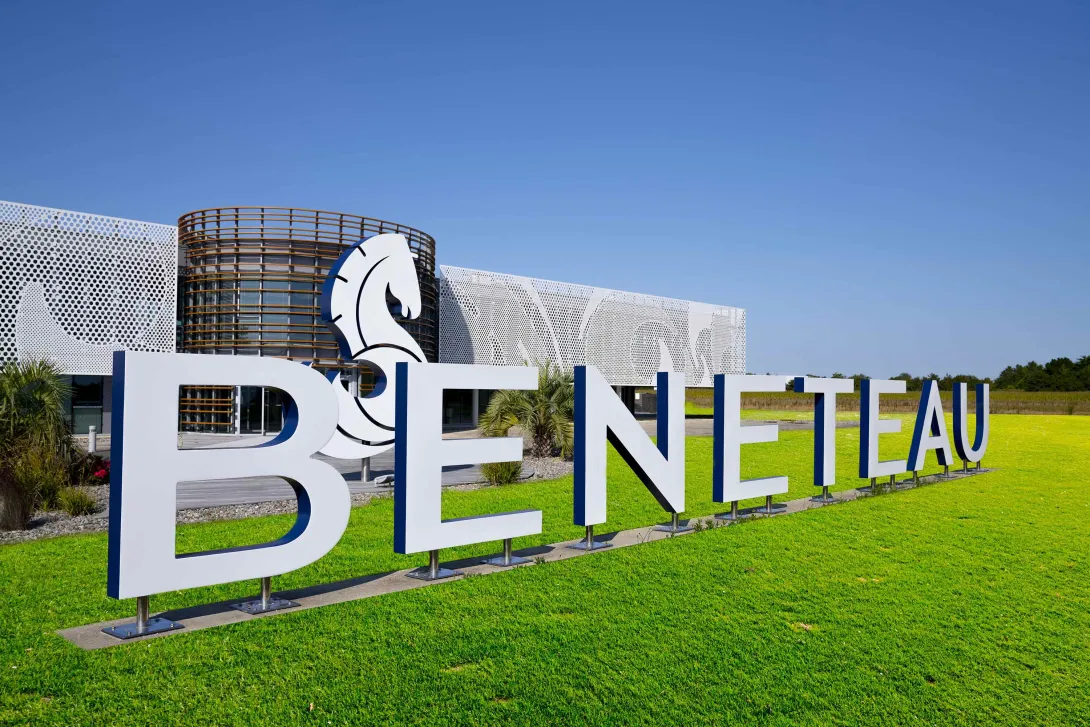
2013 was a major corporate year for the company, marked by the opening of the new Givrand site, which became the company’s head office and the flagship location for the brand.

2013-beneteau-givrand

This strategic investment confirms BENETEAU's historical roots in its home region of Vendée, as the site is located close to Saint-Gilles-Croix-de-Vie, the boat builder’s traditional birthplace. The new head office is much more than just an administrative building. It is a modern, high-performance tool designed to support innovation. Its contemporary, luminous architecture symbolises the brand’s modernity and openness. It provides an optimised working environment for the Research and Development teams, the design offices and the commercial departments. The inauguration of the Givrand site has enabled all key management functions to be concentrated in a single location. While honouring the pride in its heritage, this regrouping places the manufacturer in a position to pilot its global strategy and meet the sector’s future challenges with a unified and high-performance base.

2014

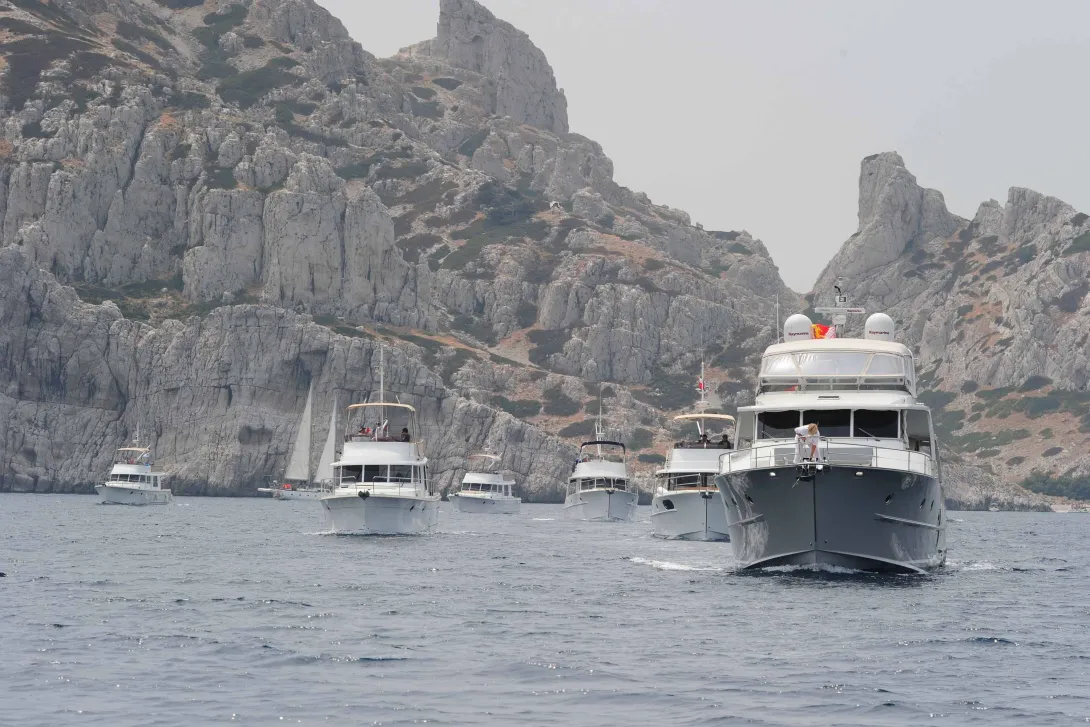
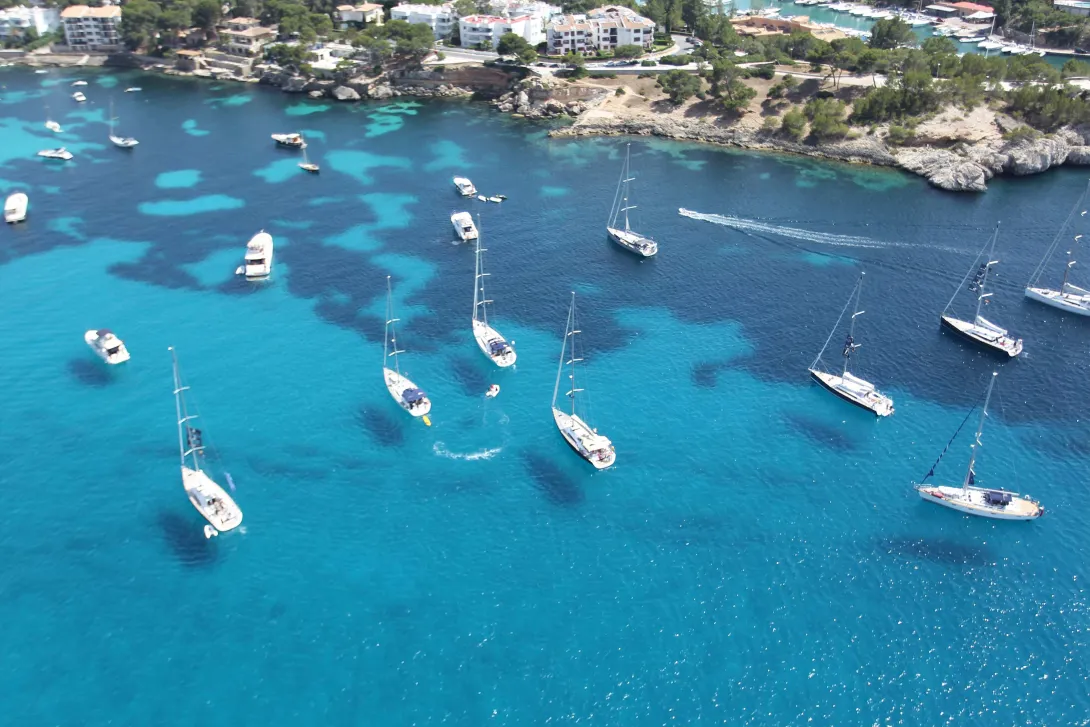
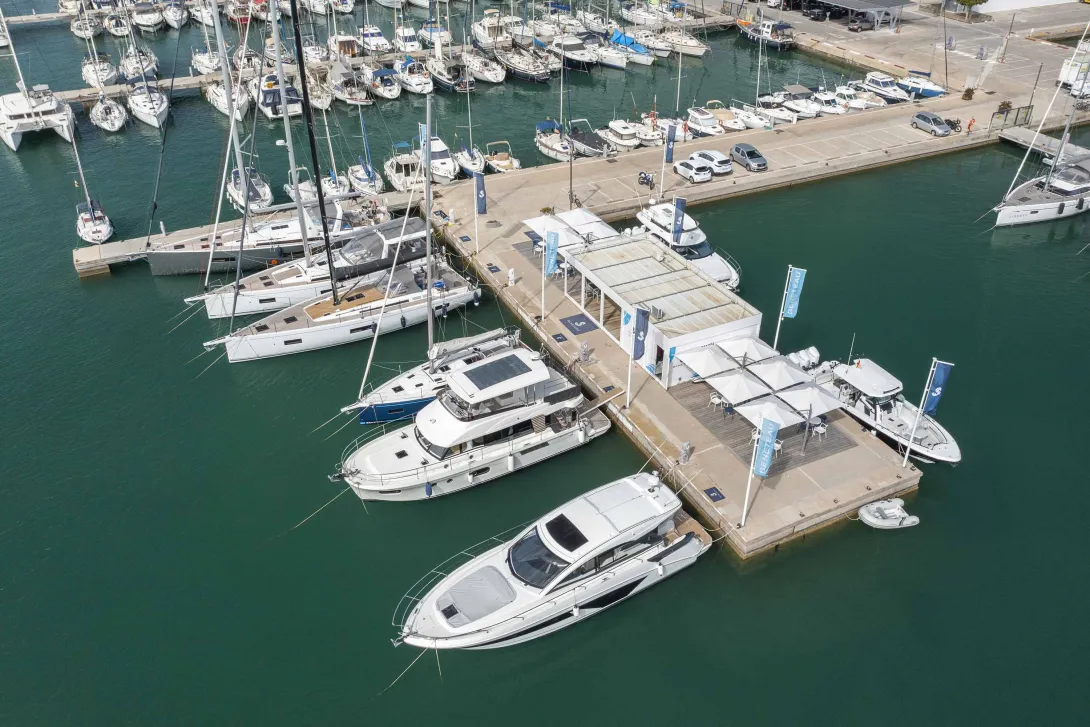
The launch of the first BENETEAU Yacht Rendez-Vous

The year 2014 marked the ultimate achievement of the brand’s strategy to move upmarket with the organisation of the very first BENETEAU Yacht Rendez-Vous. This event was intended to be exclusive and created to bring together the owners of the boat builder's largest and most luxurious vessels, offering them an experience that matches the sophistication of their boats.

2014-beneteau-yacht-rendez-vous-1
2014-beneteau-yacht-rendez-vous-2
2014-beneteau-yacht-rendez-vous-3

This event is not only a naval parade; it is a complete premium experience, organised in prestigious Mediterranean destinations, often associated with elegance and luxury. The Rendez-Vous is specifically dedicated to owners of large units, who gather to celebrate the true art of yachting lifestyle. Here, the passion for the sea blends with luxury, first-class service and a friendly atmosphere amongst enthusiasts. By creating this annual event, Beneteau has established an elite community focused on its flagship yacht models. This confirms its status as a major player in the large yacht market segment and its commitment to extending customer experience far beyond the mere purchase of a boat. 

2017

Ship Control - The Connected Boat

The concept of the connected boat was introduced by the manufacturer as of 2017 with the launch of the Ship Control interface.

2017-ship-control-beneteau

First introduced on the Gran Turismo 50, this technology quickly became the standard on large pleasure boats (models over 40 feet). Directly inspired by on-board car computers and based on multiplexing technology, this innovation is designed to turn the complexity of in-vehicle systems into an intuitive experience. Ship Control is an on-board touchscreen computer that centralises access and control of the vessel's main electronic and comfort functions: control of lighting, air conditioning, Hi-Fi, power supply and fluid levels. Installed on flagship models such as the Gran Turismo, Swift Trawler and Oceanis Yacht ranges, as well as on several luxury models, this interface enhances safety and simplifies life on board. It marks a decisive turning point in digitalised navigation experience.

2018

A Year of Innovation and Strategic Development

I. The Technology Shift: The Figaro 3

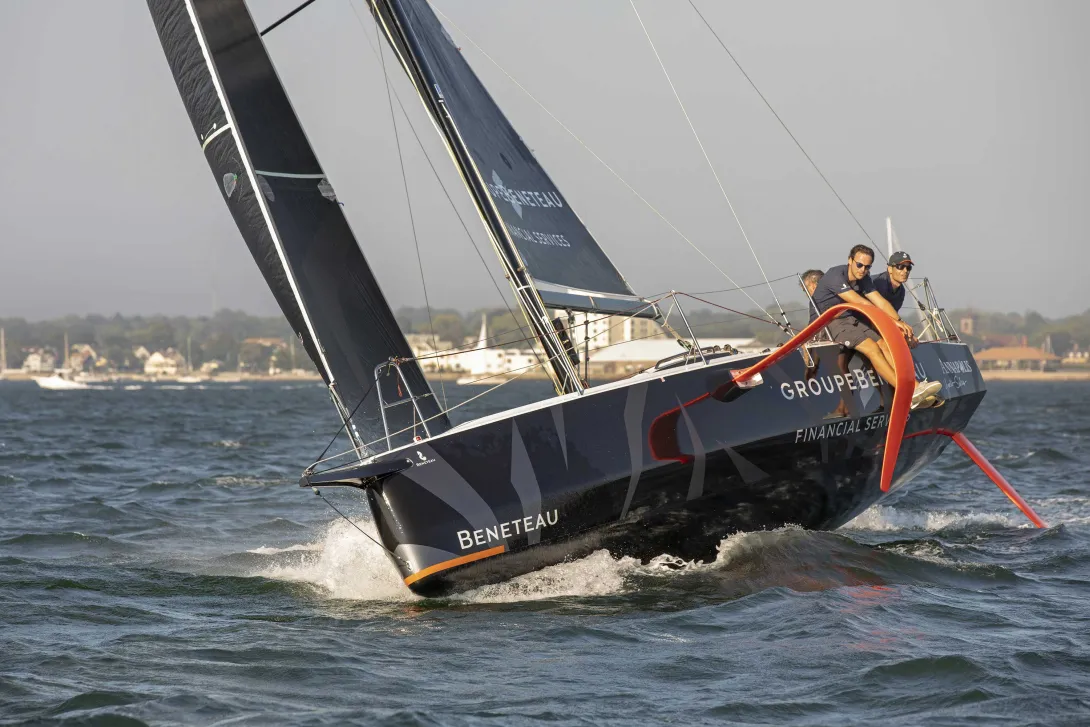
The year was marked by a major technological breakthrough with the launch of the Figaro BENETEAU 3. This boat became part of leisure yachting history by becoming the world’s first series-produced monohull equipped with foils. This ambitious development, resulting from cutting-edge expertise in ocean racing, has confirmed the brand’s innovative ability to broaden access to technologies previously reserved for the elite. The Figaro 3 has thus confirmed BENETEAU's leadership in the field of one-design racing yachts and its central role in the challenging Solitaire du Figaro race. 

2018-figaro-3

II. Opening of the Port Ginesta trial base 

To guarantee the quality and reliability of its products regarding these innovations, the brand strengthened its trial facilities with the inauguration of its new trial base in Port Ginesta, near Barcelona, Spain. This location was a strategic choice: the stability of the Mediterranean climate provides ideal conditions for submitting prototypes and new models to rigorous and intensive testing, far from the unpredictability of the Atlantic. This trial base is now a vital stage in the final approval process for products prior to their global launch. 

2018-ginesta-beneteau

III. Strategic Openness: Seascape Partnership 

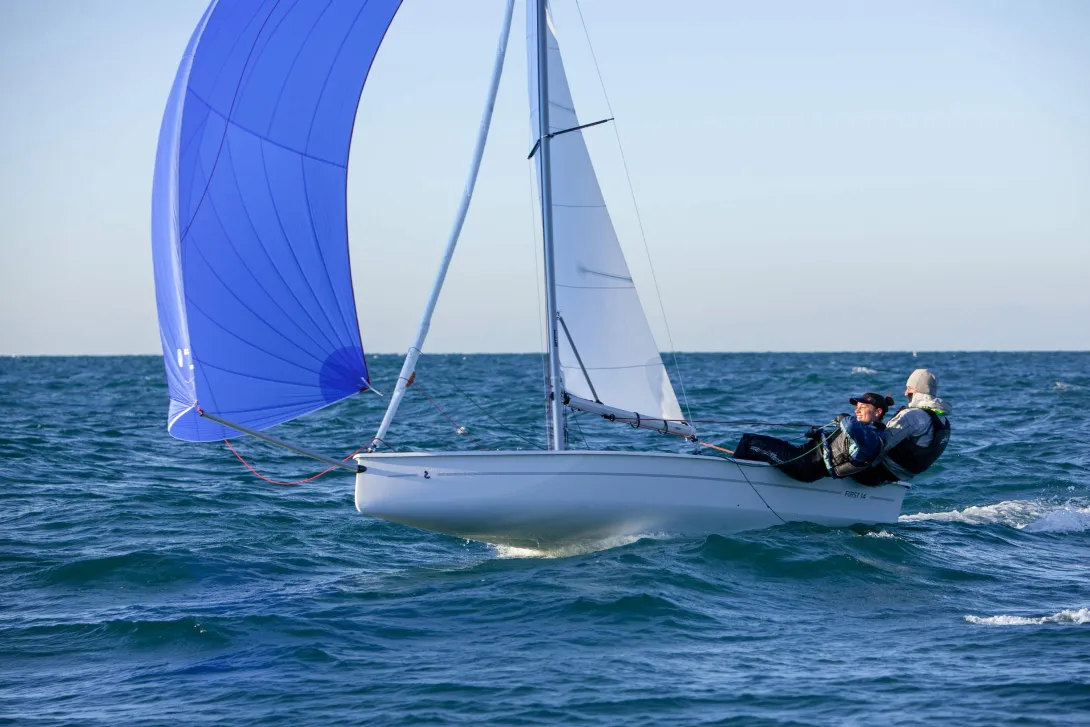
2018 also marked the start of our partnership with Seascape. This partnership has enabled BENETEAU to open up to new market segments, particularly small, sporty and accessible boats intended for younger generations and a new approach to navigation. Through its partnership with Seascape, the brand has proved its commitment to innovation within all market segments of the leisure boating industry, from small cruisers to large yachts. 

2018-seascape

2019

The Industrial Foothold in the United States - Production Begins in Cadillac

The year 2019 marks a decisive milestone in Beneteau’s globalisation strategy with the launch of motorboat production based in the United States. This major commitment demonstrates the brand’s desire to cater closely for the North American market, a significant market with a high demand.

2019-cadillac-beneteau

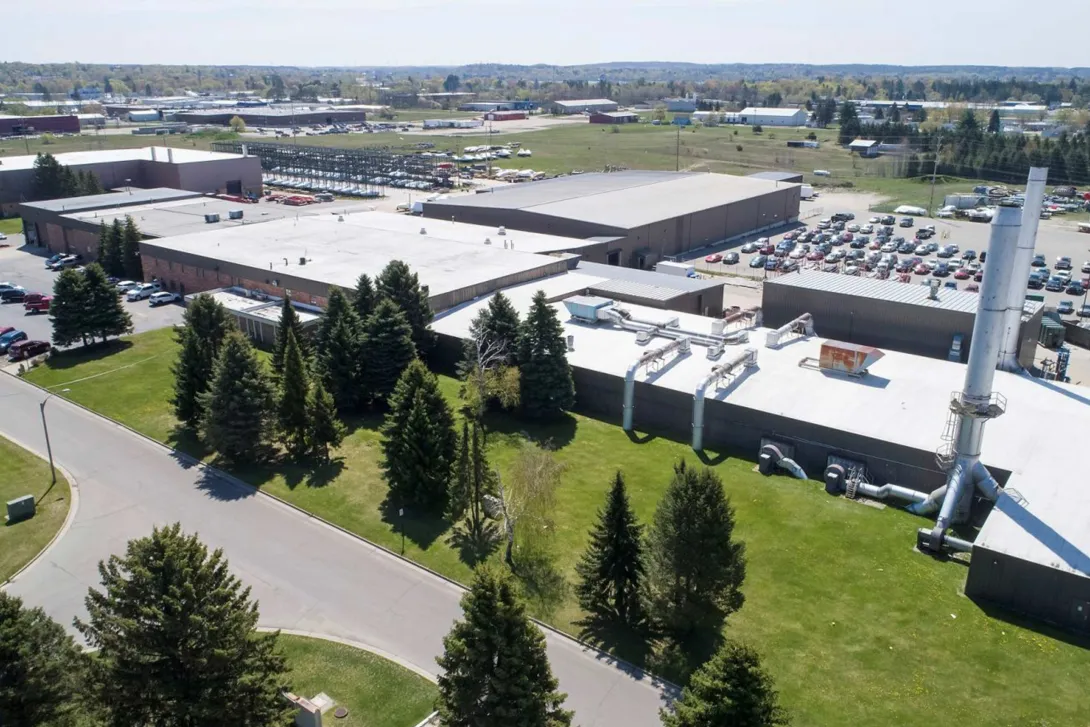
This new industrial production facility was established at the historical Cadillac site in Michigan. Production began with strategic product ranges, renowned for their international success and a high local demand: the Antares (for its versatility and family-friendly design) and the Gran Turismo (for its positioning as a luxury express cruiser). Manufacturing these models on site provides multiple strategic advantages: it significantly reduces delivery times, optimises logistics and, above all, customises the boats to suit the standards and specific expectations of American customers. This industrial relocation reflects the brand’s pride in exporting its construction expertise, while adopting a local approach to strengthen its position as a market leader on the American continent. 

2022

The First 44 - A Technological and Environmental Statement

The year 2022 witnessed the launch of the First 44, a sailing yacht that embodies the future of performance cruising by integrating major innovations whose design focuses on the balance between high performance and environmental responsibility. This ambitious model served as a showcase for the Group’s technological advances.

2022-first-44

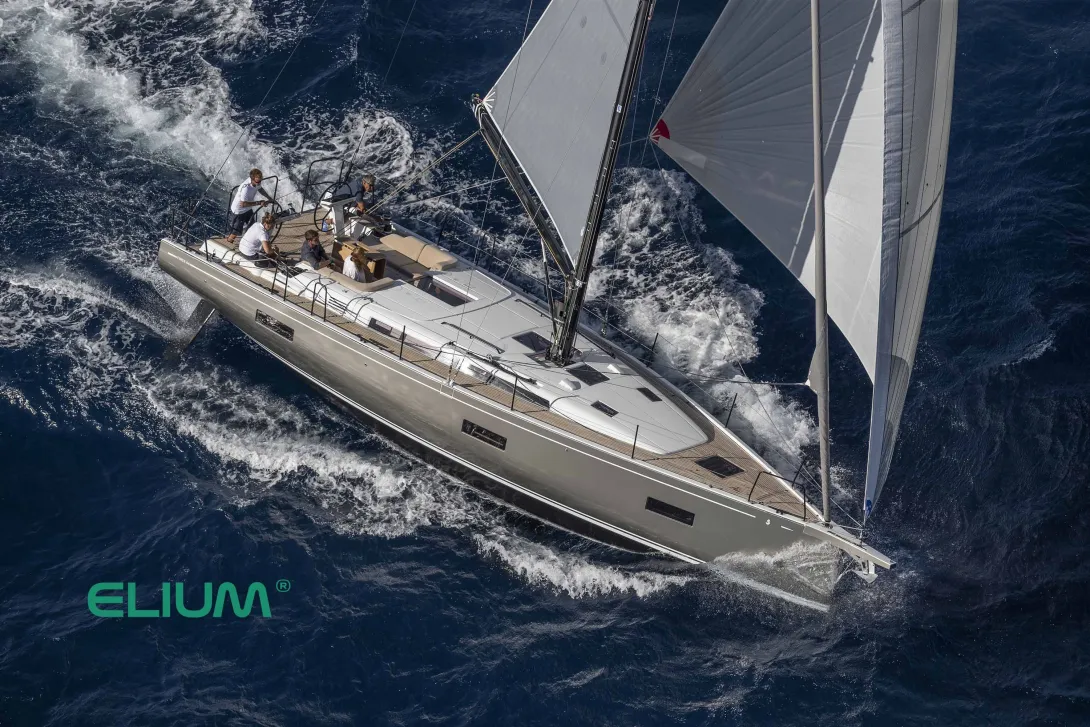
The most remarkable innovation concerns the hull of the First 44, which is made of Elium resin (Arkema).  This revolutionary thermoplastic resin not only enables lighter and stronger construction, which is essential for performance at sea, but above all, represents a crucial step towards full recycling of composite materials. This technological commitment confirms the brand’s leadership in the development of sustainable solutions. To pursue this approach, the First 44 stood out with the integration of an electric propulsion system. This choice of propulsion system is a strong sign of our commitment to carbon-free, silent navigation, for greater respect for the marine environment. Finally, this attention to detail extends to the deck materials, with the use of Iroko, a durable and robust timber species chosen for its environmental qualities and resistance as an alternative to teak. The First 44 has thus established itself as a reference, showcasing the builder’s ability to combine high performance with future environmental requirements

2024

140th Anniversary Celebrations: The Great Story of Legacy and Innovation

2024 marked an historical year for the company as it celebrated its 140th anniversary (the brand was founded in 1884). This milestone was an opportunity to celebrate a century and a half of innovation and, over all, to reassert the vision and passion that would inspire the Group for decades to come.

2024-beneteau-140-years

These 140 years of existence are a testimony to exceptional longevity and resilience, deeply rooted in the expertise of the Vendée region. The celebration, which paid a tribute to the founders and thousands of collaborators, served as a springboard to highlight the future strategic priorities: sustainable innovation, digitalisation of customer experience, and the exploration of new propulsion and construction technologies. By celebrating its rich maritime heritage, BENETEAU confirmed its commitment to forging the history of leisure boating, combining tradition, performance and environmental responsibility for the future generations of sailors.

The spirit of that anniversary was manifested through initiatives that showcased the company’s core values. As part of the commemoration, the brand launched the “True Stories” series - a collection of inspiring portraits and authentic testimonials from employees, architects and partners. These stories have highlighted the passion and transmission of expertise, notably through podcasts such as “Odyssée”. This commitment to the future has been manifested through concrete initiatives: the organisation of the “Grande Boucle Européenne” aboard an electric Oceanis 37.1 to prove the feasibility of carbon-free navigation, the opening of shipyards to the public for Heritage Days, and the reassertion of the objective to reduce CO₂ emissions by 30 per cent by 2030. All of these events have emphasised the brand’s determination to combine its prestigious heritage with the environmental and innovative demands of the 21st century.