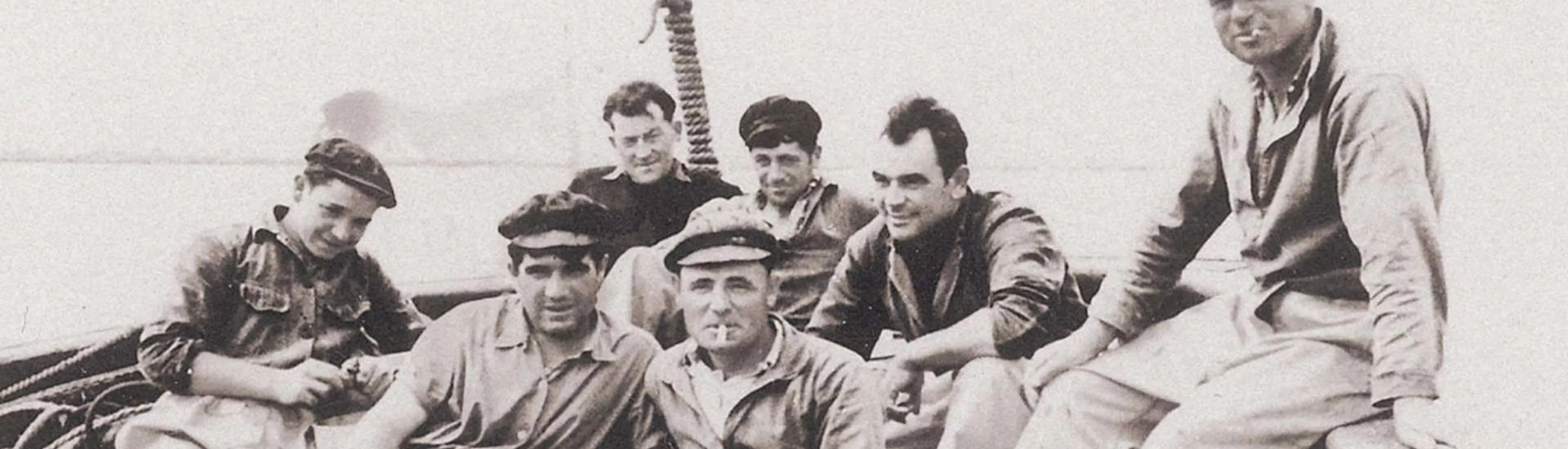
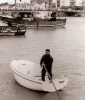
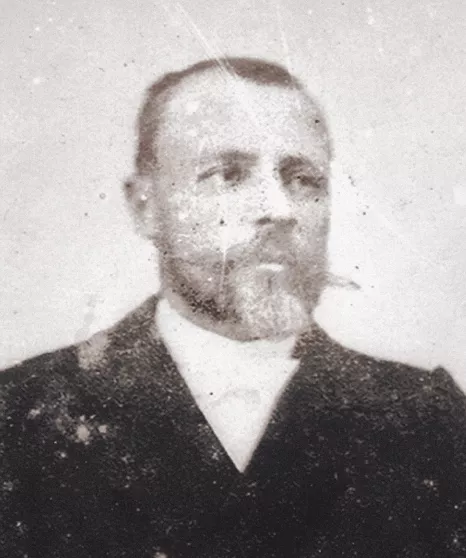
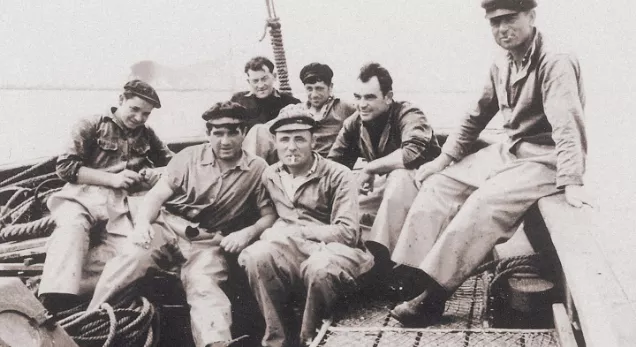
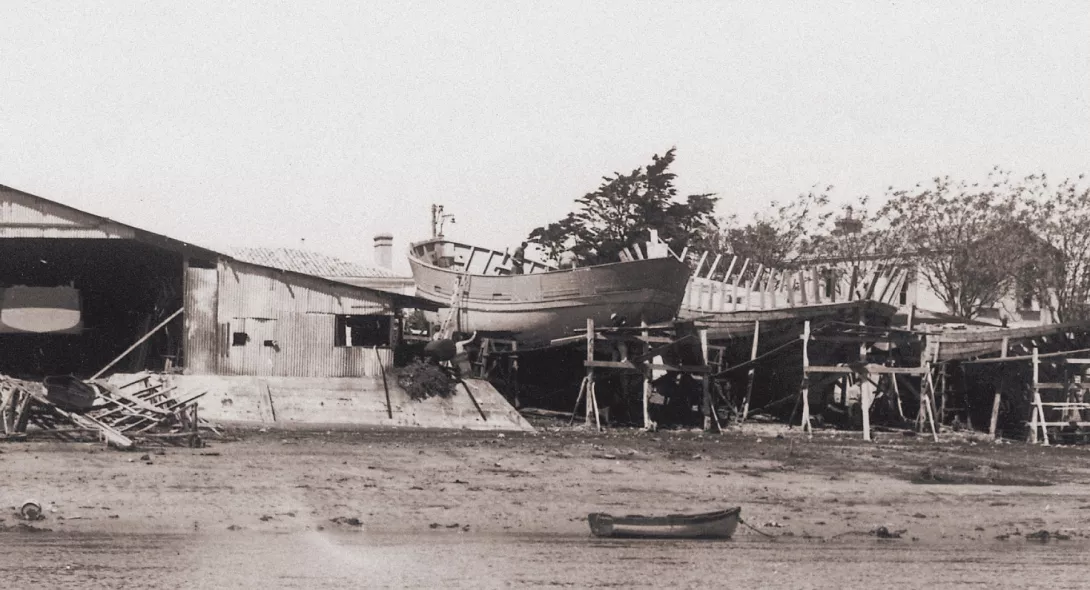
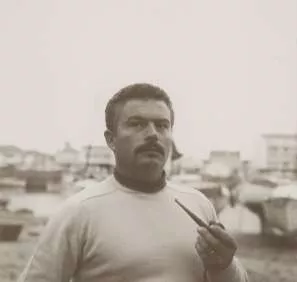
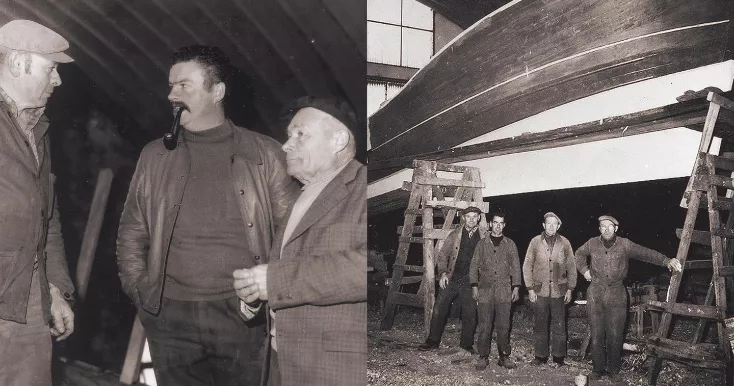
« The fate of Benjamin would be out of the ordinary. Born in St-Gilles into a large family with little means, he was adopted at the age of 6 by one of his uncles, François Houyère. A single man, he passed on his love of the sea, adventure and boats to his adoptive son. However, at the age of 12, Benjamin became ship’s boy on the lugger Eliza. His dream of building boats would begin on the boatyard of his best friend’s father. His determination would convince his uncle, and he would enter Rochefort towards end 1879 for his military service.
Our History
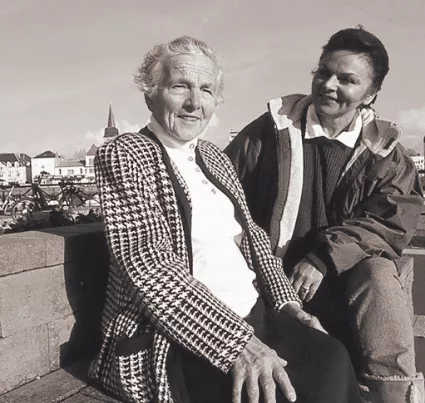
- Annette ROUXI believe we are one of the oldest boat building yards in the world to be run by the family as a majority. Our history has been told many times in these last fifty years, but, to understand it, you need to grasp our company values, and return to its origins, since it is nothing but continuity and progression.
The year was 1884. The cornerstone of the Statue of Liberty was laid on Bedloe’s Island in New York Harbor. In London, The Adventures of Huckleberry Finn was first published. And in the French port city of Croix-de-Vie, Benjamin Beneteau founded the BENETEAU boatyard and thus began a journey that continues to this very day.
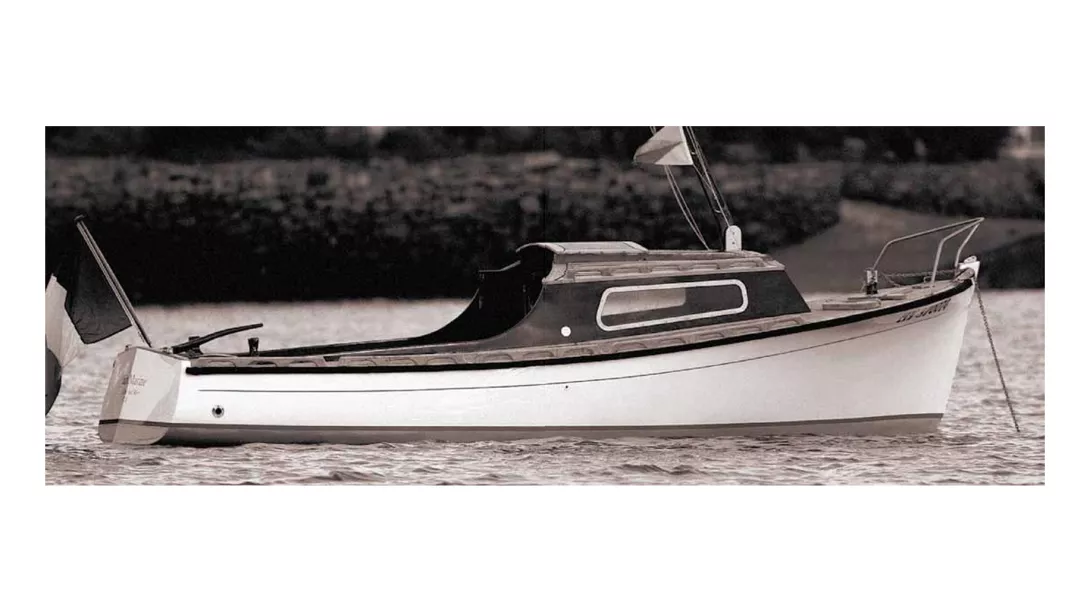
Benjamin built his fishing boats to be rugged enough to handle the capricious waters of the North Atlantic and fast enough to be the first back to port so the fishermen could get the best price for that day’s catch. Even though he was an artisan, Benjamin was always in pursuit of innovations that could make his boats better. In fact, in the early 1900s, he designed the first engine-powered fishing boat in his region.
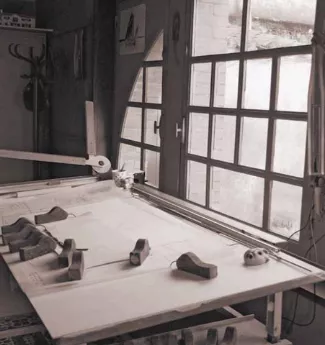
After Benjamin, the reins passed to his son Andre, and it fell to him to guide the family business through two world wars. One of Andre’s strengths was as a designer and draftsman, and those living near the BENETEAU shipyard would marvel at his beautiful creations. As calamitous as both world wars were to BENETEAU, a greater threat was on the horizon. Global economic change was slowly shrinking the French fishing industry. Less French fishermen meant less French fishing boats. But good luck, good timing, and good genes intervened! Andre and his children, daughter Annette and son Andre Jr. teamed up to steer BENETEAU into a new age.
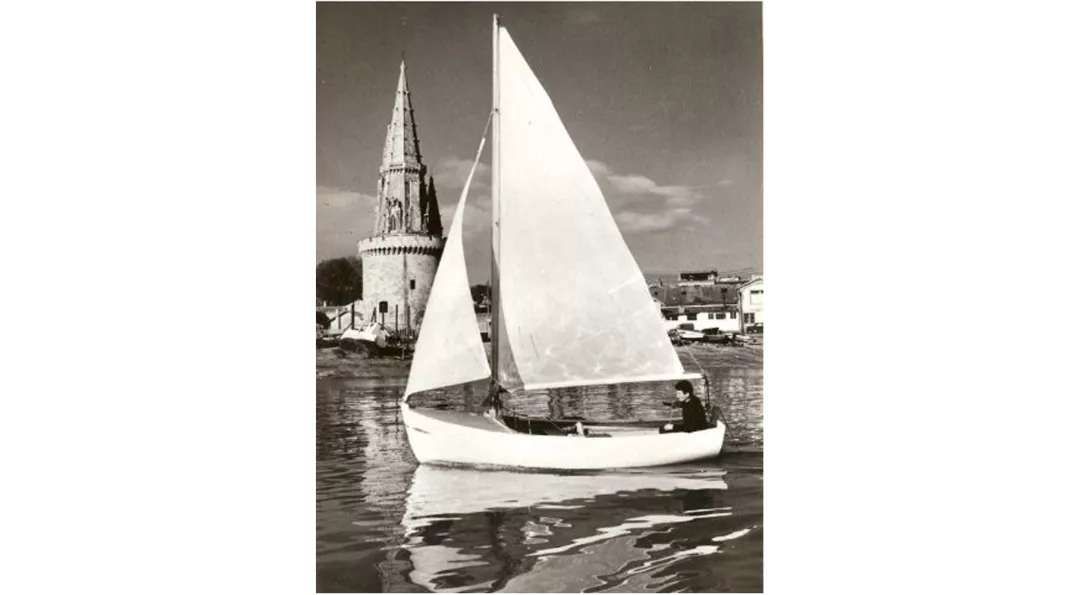
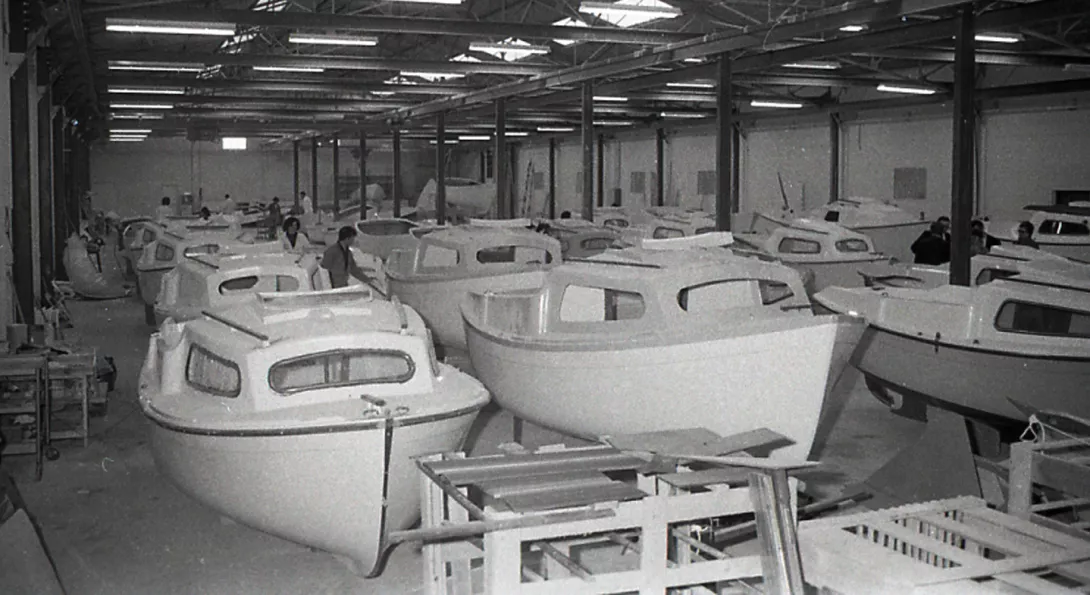
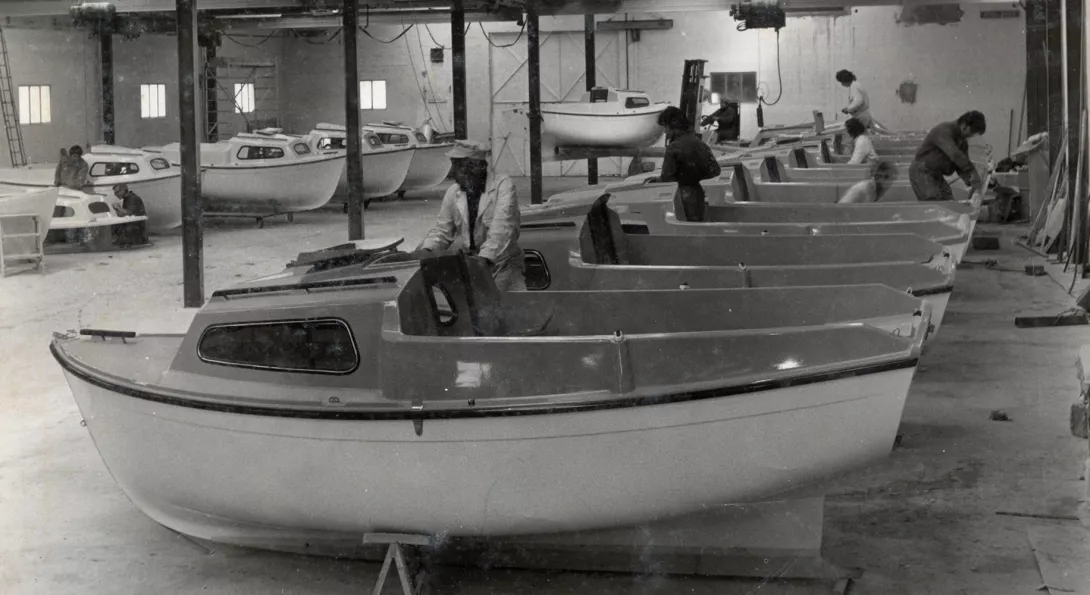
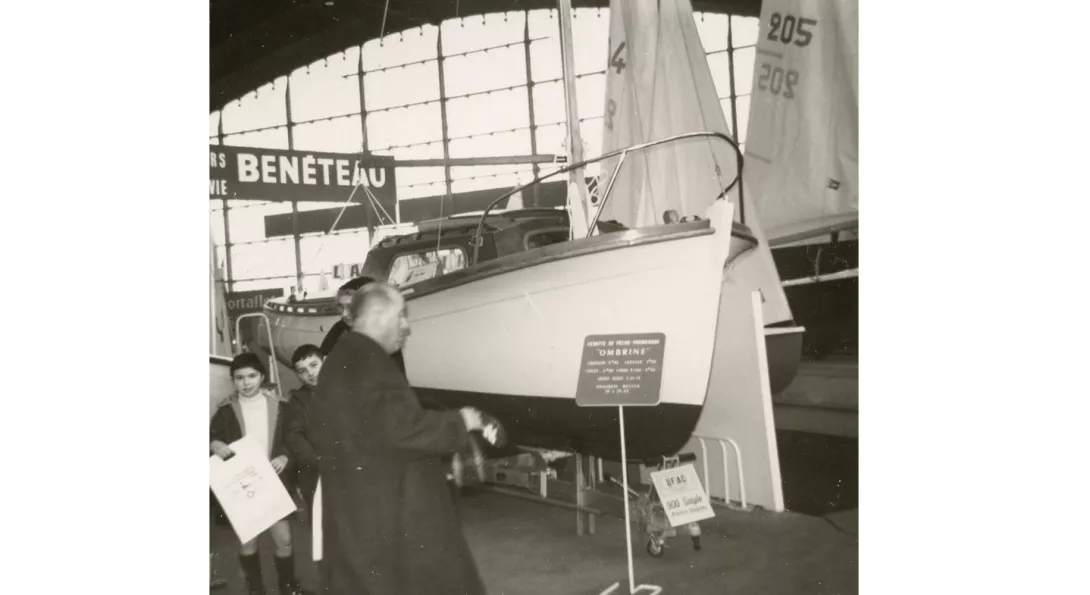
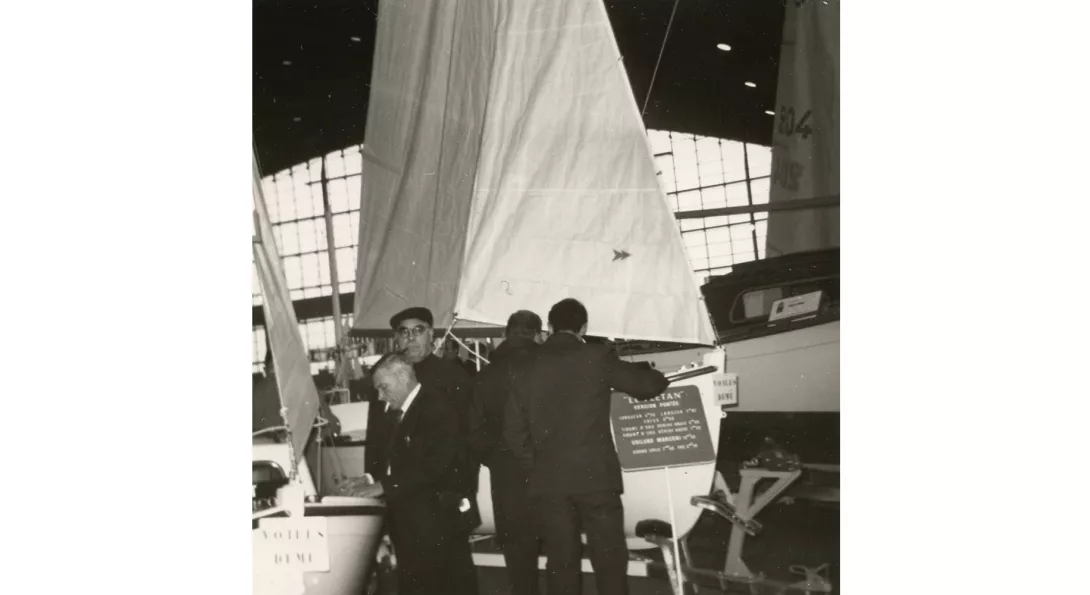
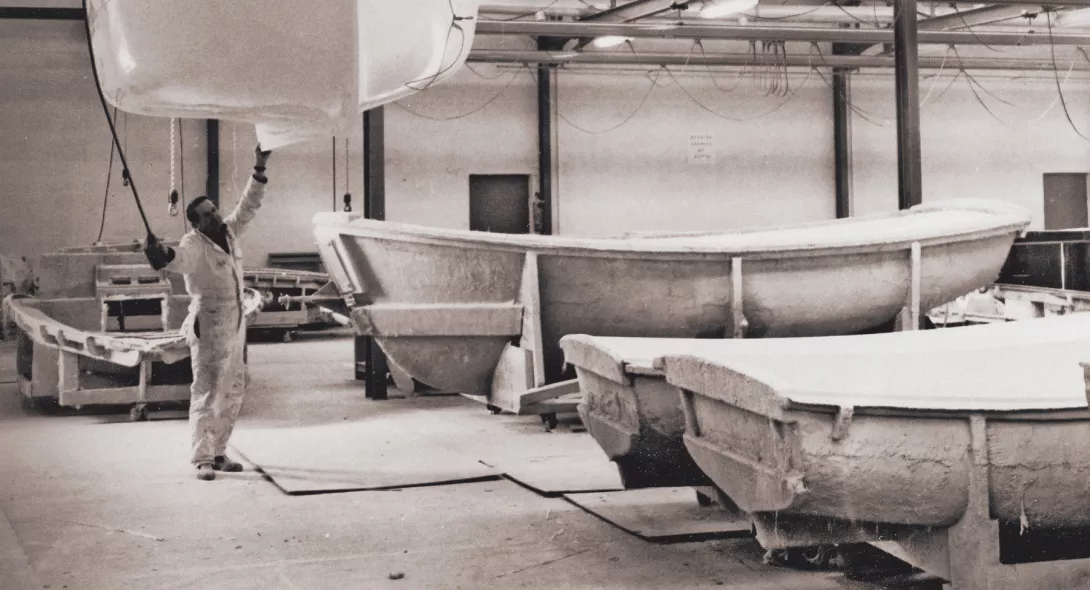
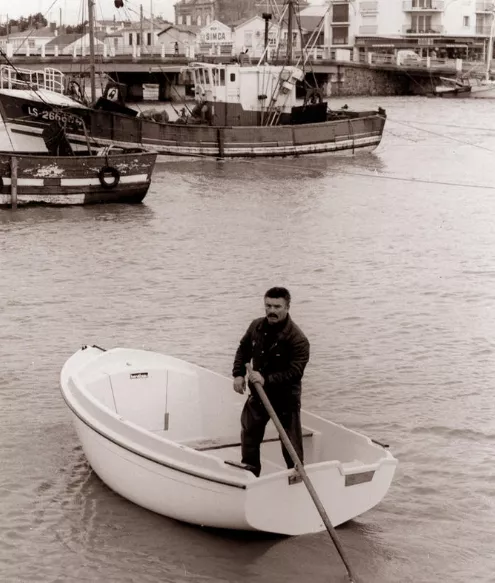
They would use another radical innovation, polyester, to create a lightweight hull for fishing boat dinghies, which would later become the first fishing boats used for recreation. Annette took one of the small, humble crafts to the 1965 Paris Boat show where it caused a sensation. It took the rest of the ’60s, but by the early ’70s, BENETEAU had successfully transitioned from its commercial fishing roots to one of the most respected pleasure boat builders in all of Europe. Today, with new innovations and an ever-growing global presence, this farseeing family from Saint-Gilles-Croix-de-Vie is now one of the largest in the world.
1884
1928
OUR PARENTS
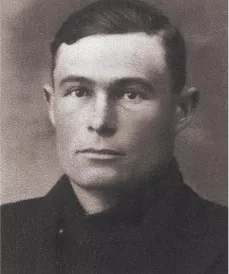
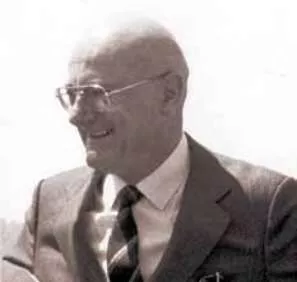
Then the Great War intervened. The boatyard would get underway again in 1928, orphaned of his mother and father, and the time had come for André Bénéteau, only son of Benjamin, then aged 21, to take over.
Benjamin’s absence was experienced by the inhabitants of St-Gilles-Croix-de-Vie as the end of the Boatyard. Admittedly, our father probably did not have his force of character, being rather “taciturn”, as was often said of one of our greatest sailors, but father had the gift of drawing.
1962-1964
TRANSITION YEARS
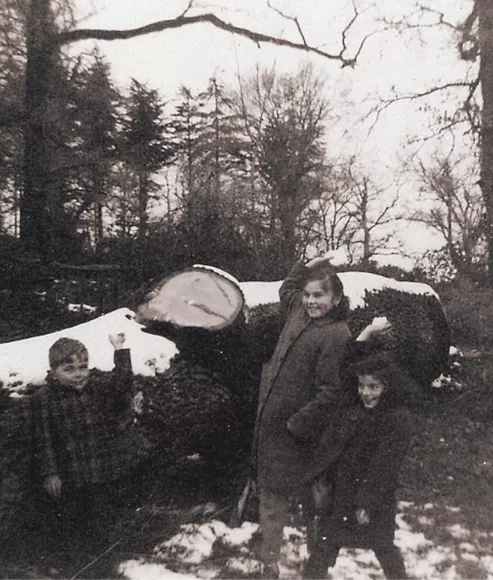
I can only remember impressions of this time. All the noises dimmed, our workmen did not whistle as often, our parents kept silent, customer visits became rare and the bankman’s visits more frequent.We were experiencing the start of the end of this fine building trade, with the decline of the fishing trade.
1964
BEGINNINGS OF THE SAILING INDUSTRY
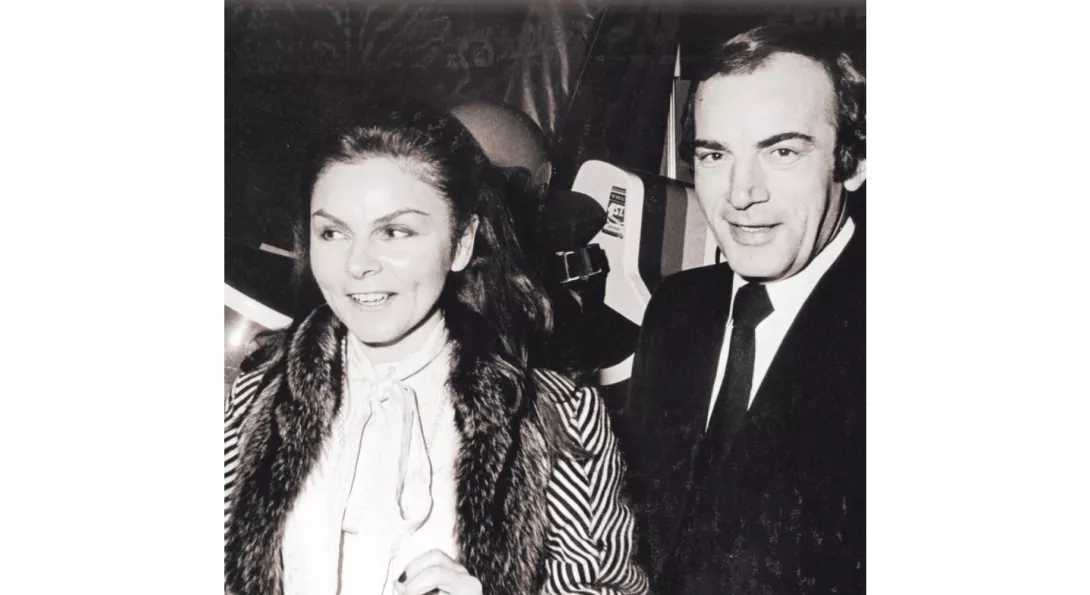
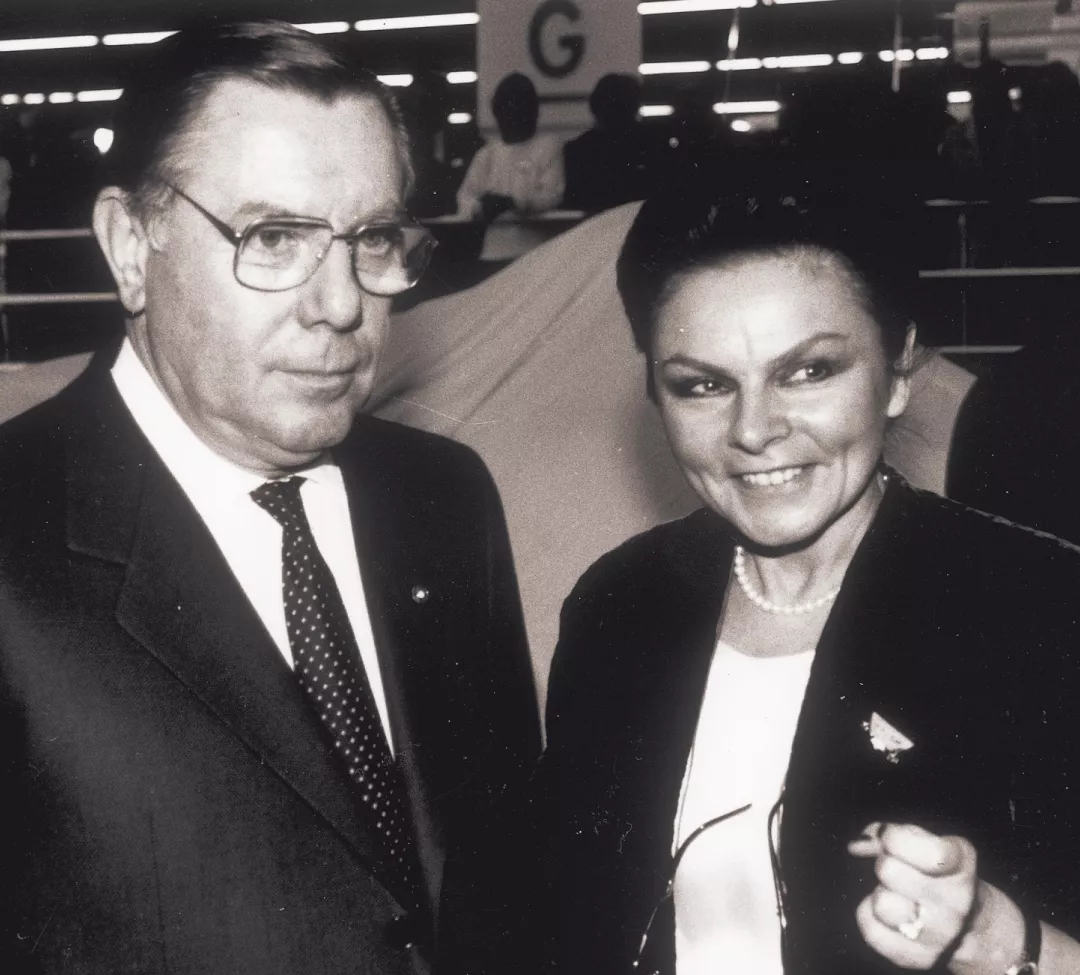
Many said we were lucky. Personally, I see the mark of fate. It was when I met the man who would later become my husband that I realized what was wrong and understood what went unsaid, as well as the gravity of the situation. I was not yet 22 and I was a woman in the 1960s. ‘Business women’ were rare occurrences, earning little recognition, even though, in traditional tradesmen’s circles, the wife was often the boss.
1965-1972
FIRST RANGE
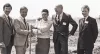
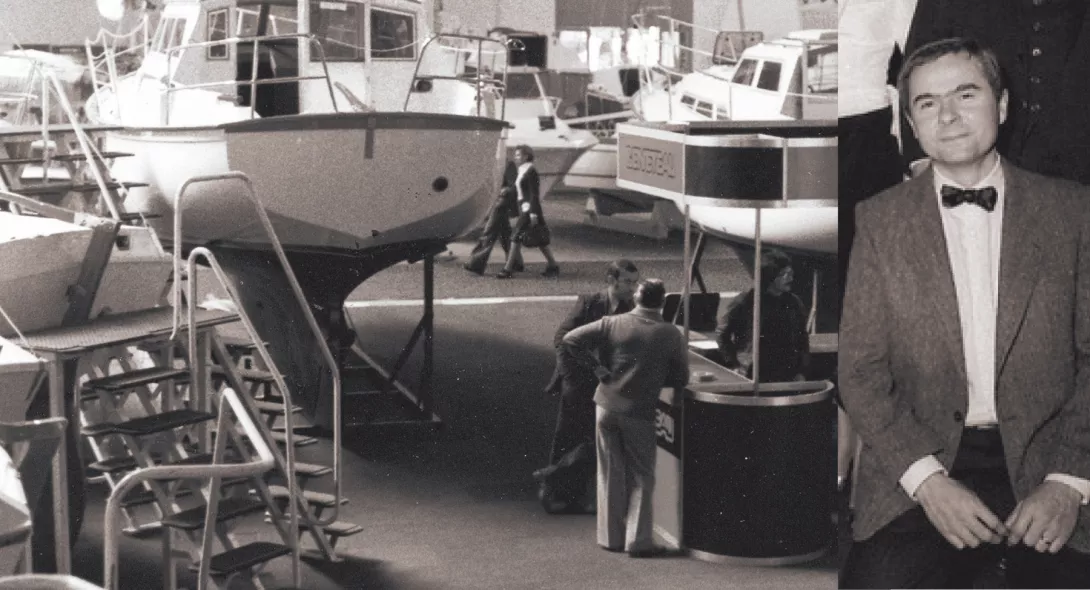
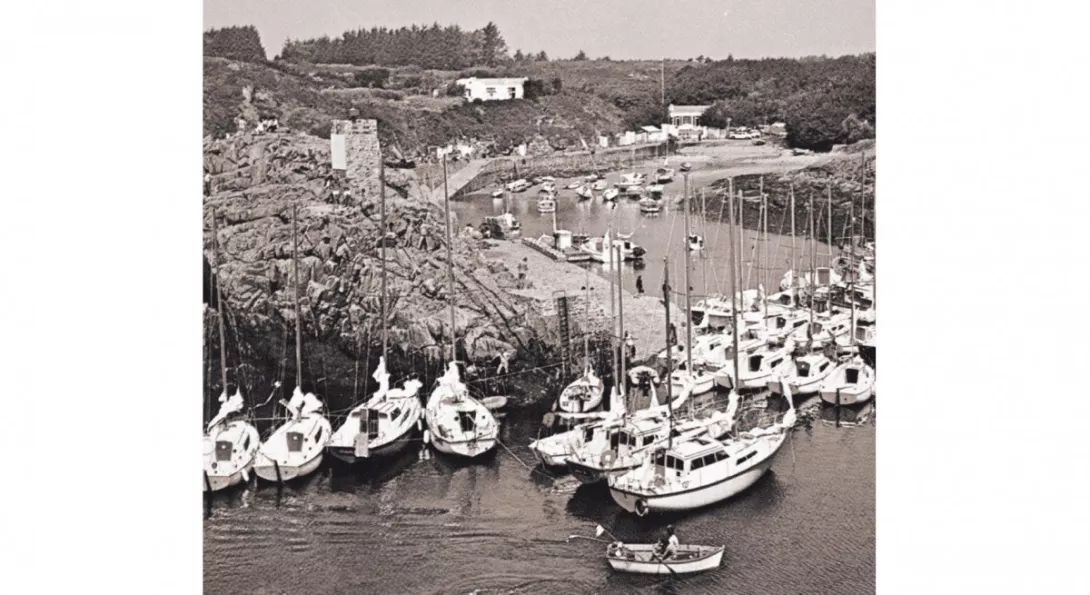
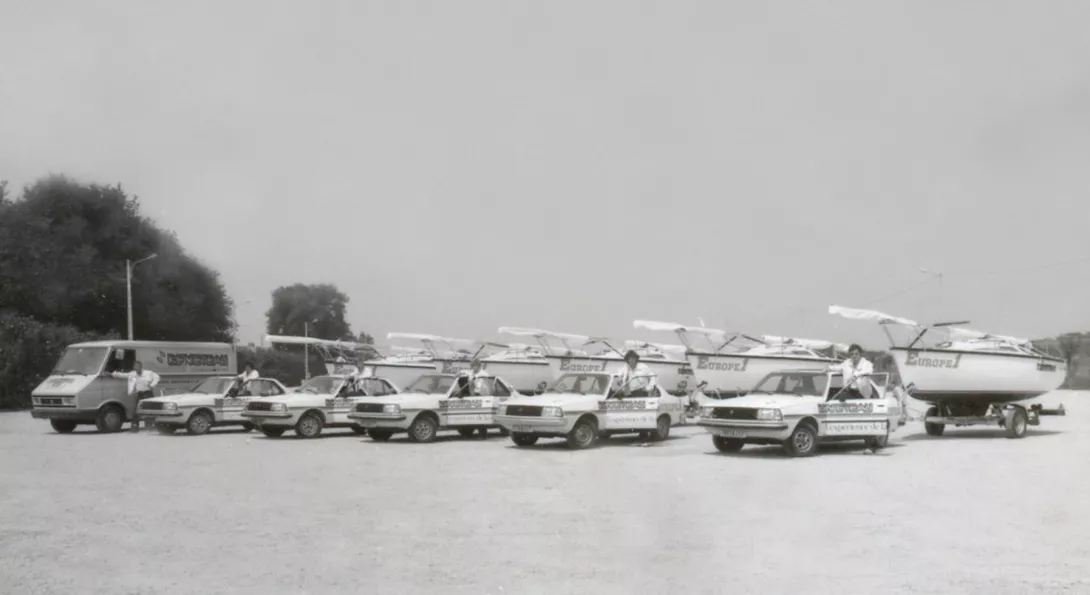
January 1965: our first Paris boat show. For André, his wife Mimie, and myself, it was highly stressful. No other boat looked like ours and, not used to the capital, we felt like we did not belong. Yet, only a few hours after the opening, three business men introduced themselves, claiming that our boats were what their customers were looking for and that no other builder wanted to build them. One of them asked for Morbihan, the other Finistère, and the third the Côtes du Nord (now Côtes d’Armor). In all, their orders represented several months of work for our teams. After two minutes discussing distribution with my husband, the choice was made. We would distribute our boats through this network, which except for Jeanneau, no one else did.
1972
FIRST INVESTMENT
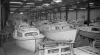
1972 would be a great year! With financial stability just about recovered, we were going to invest, first in the workforce, but also in our first plant, which was modest but really designed with semi-industrial production in mind.
We wanted to develop the recreational fishing boat. Our customers had learned to sail and they wanted larger boats, comfort on board, and to see the sea from the saloon.
1976
A DECISIVE YEAR
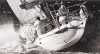
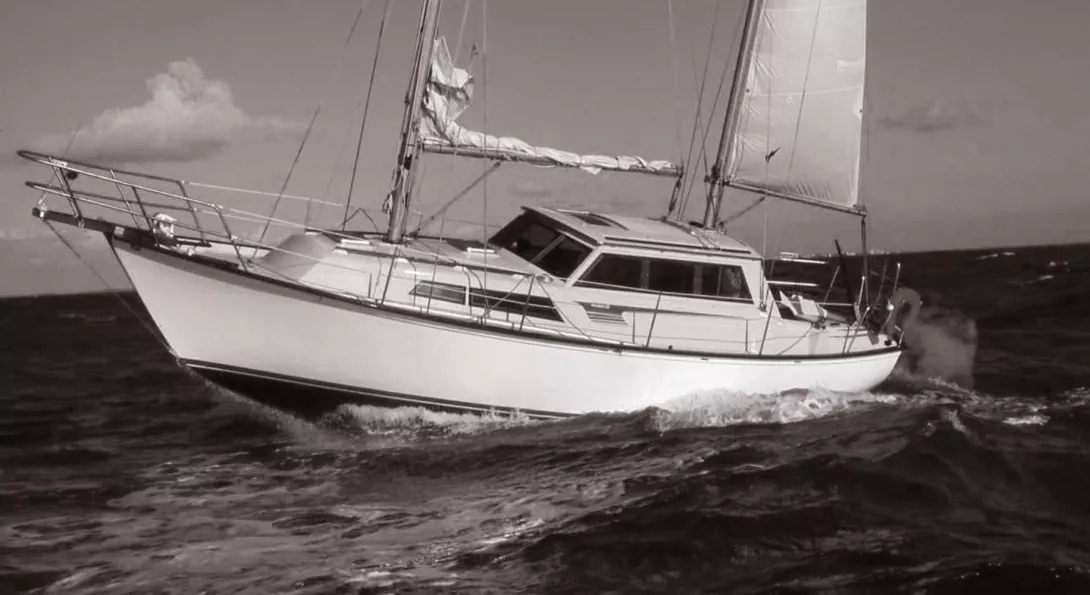
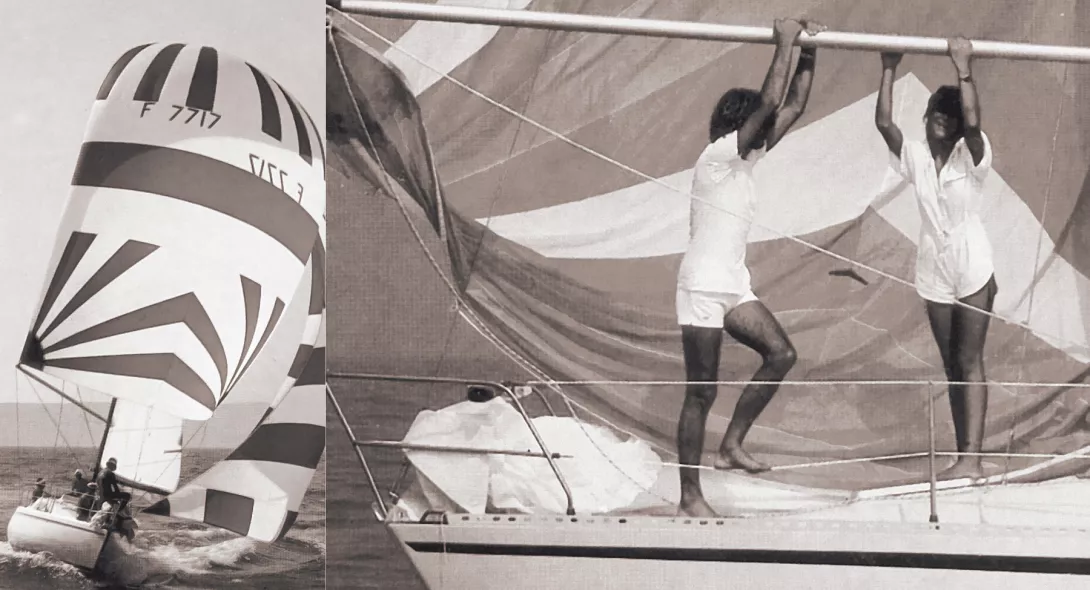
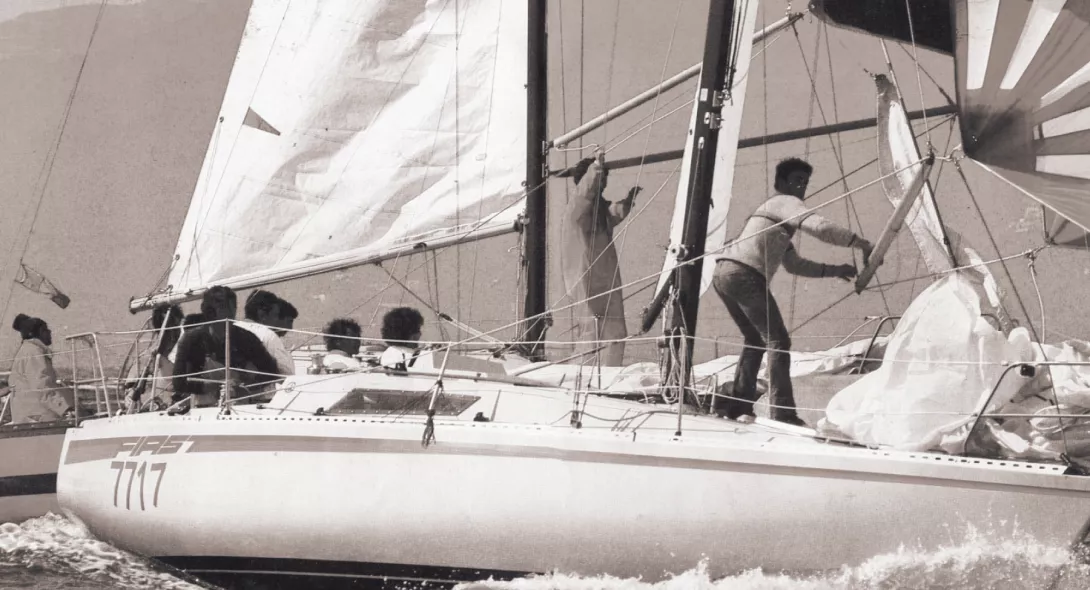
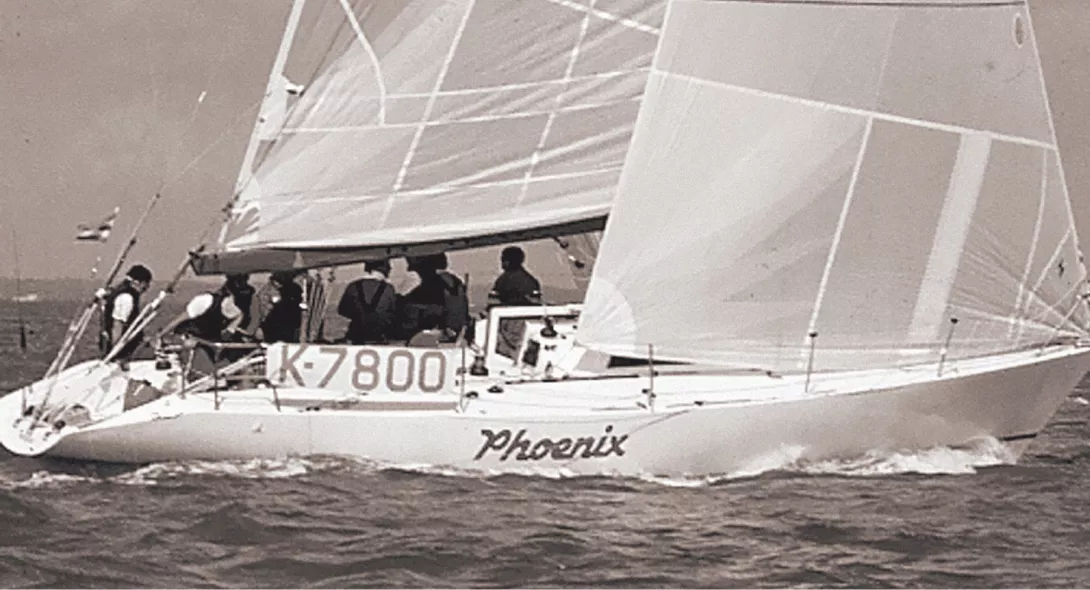
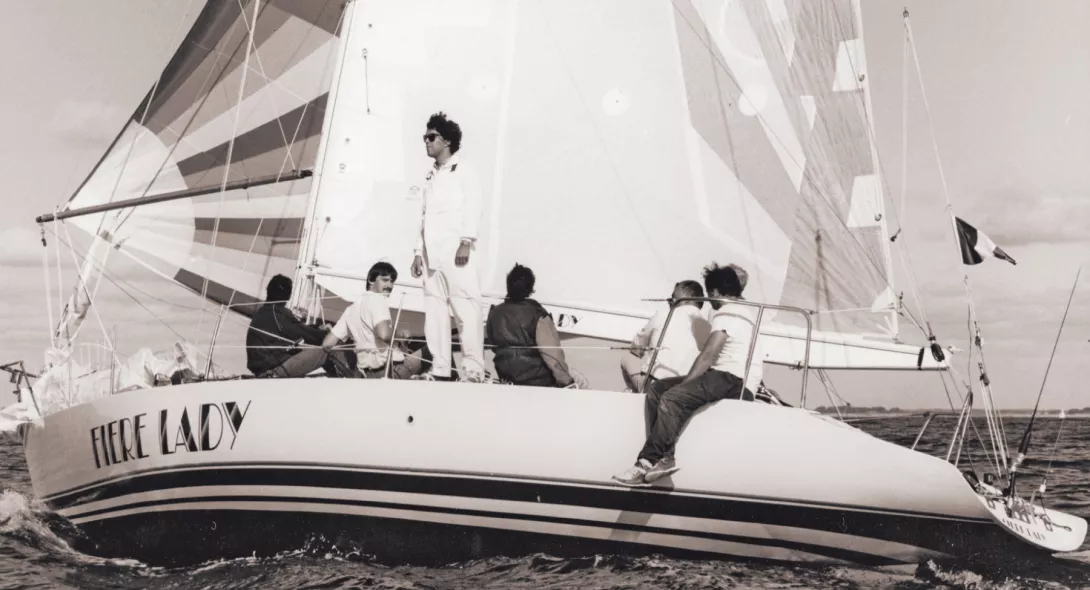
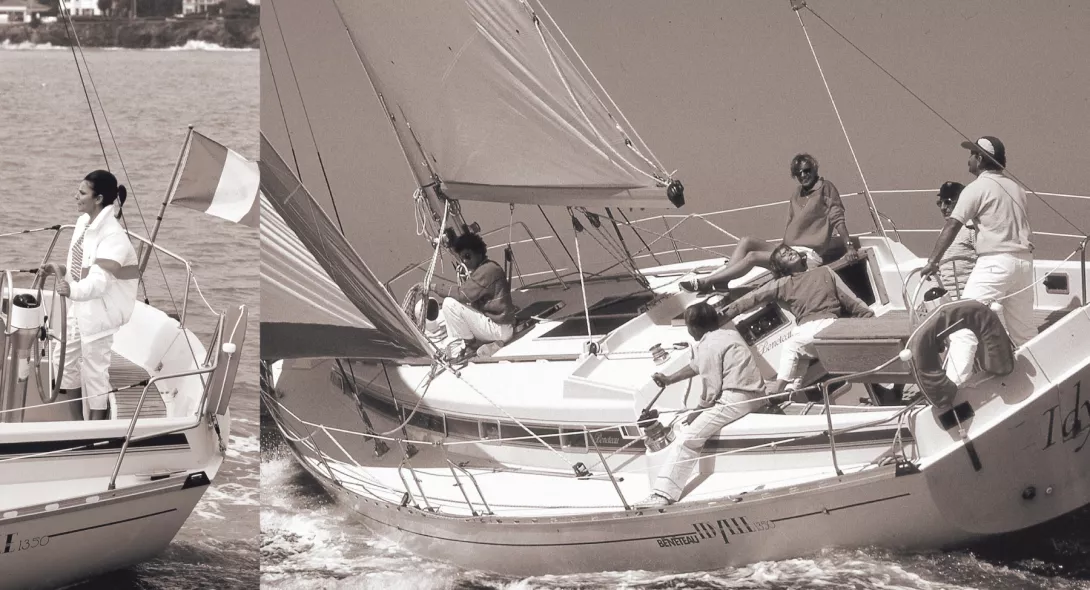
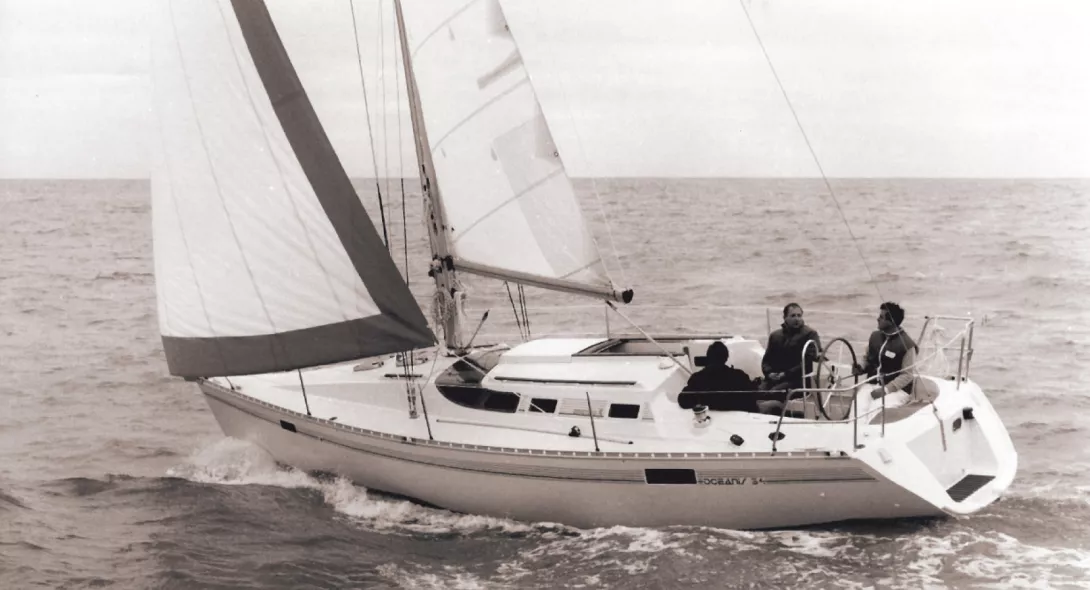
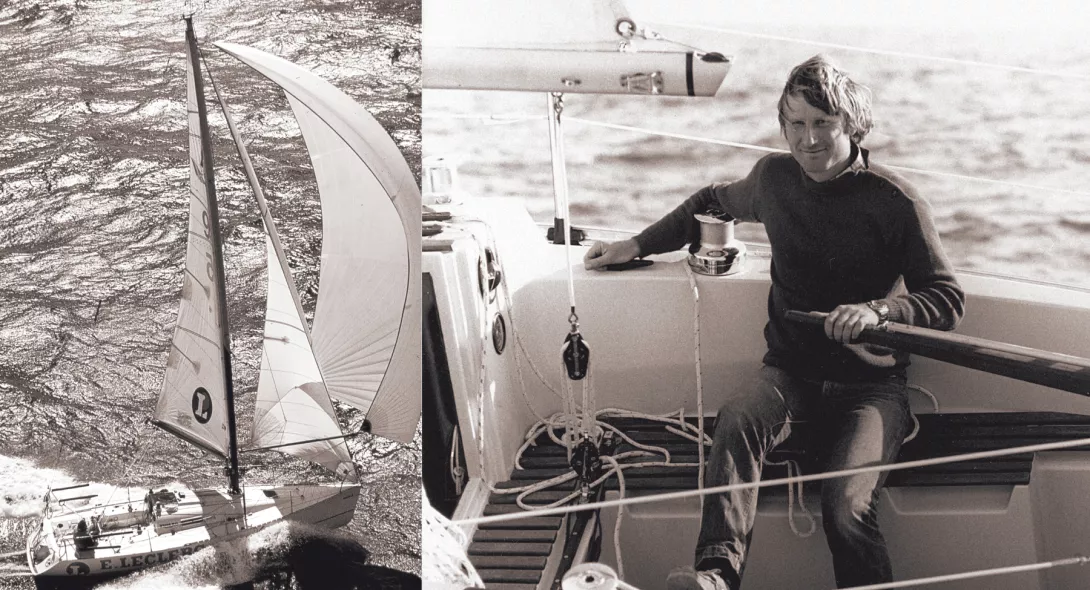
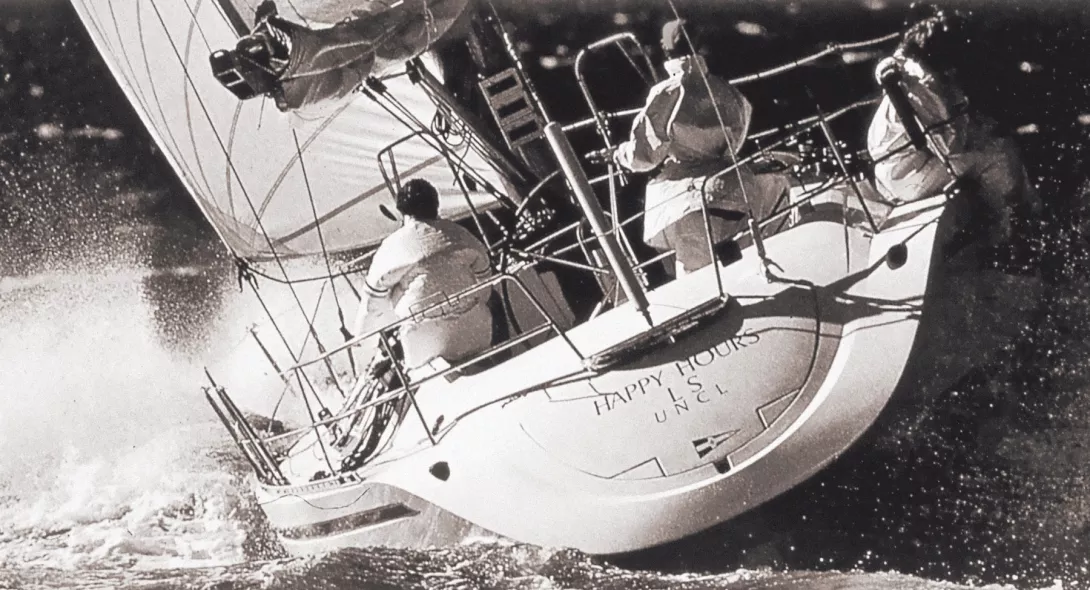
Back then, we had a considerable market share in the recreational fishing boat segment; thousands of customers sailed them, but some of them left us because they wanted to sail faster. François, a great regatta racer, dreamed of creating a high-performing sailing yacht. André wanted to draw it, but we knew that in this area there were architects with different experience. How do you bring someone to understand that, for the first time, a BENETEAU boat could be drawn by an architect from outside? Luck was with us. We were offered the moulds of L’impensable, the boat designed to win the Half Ton Cup and which kept its promise.
1980
EXPANSION
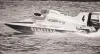
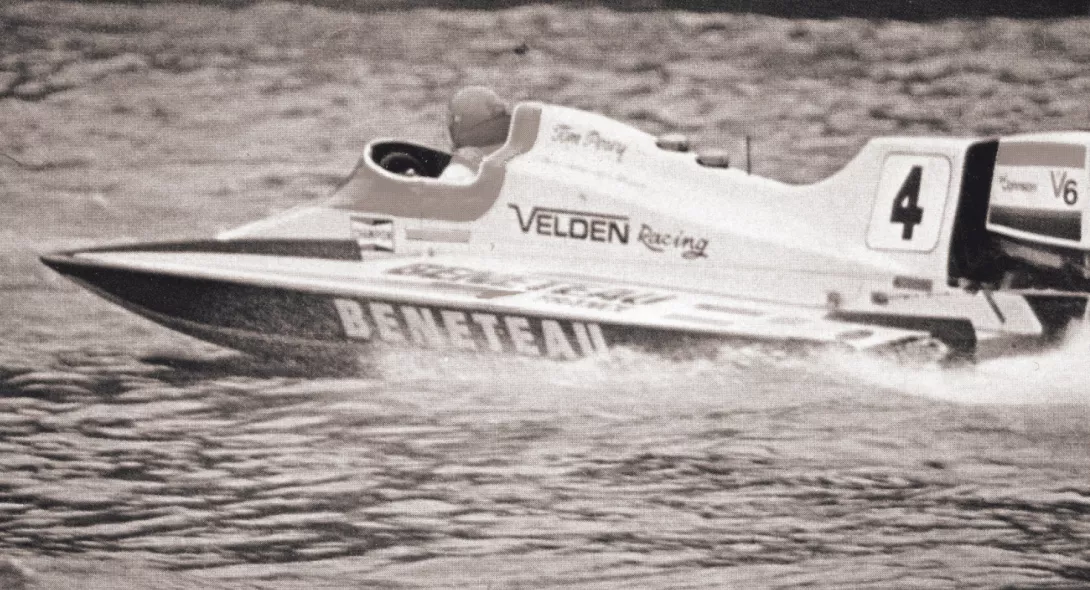
The yard’s motorboating team entrusted Cees Van Der Velden 2 with perfecting a catamaran with which he won the “PARIS 6 hours” flying BENETEAU colours. I can still see the faces of our builder colleagues and friends at the time. How could we, inexperienced ‘sailors’, win this race with a motorboat ?
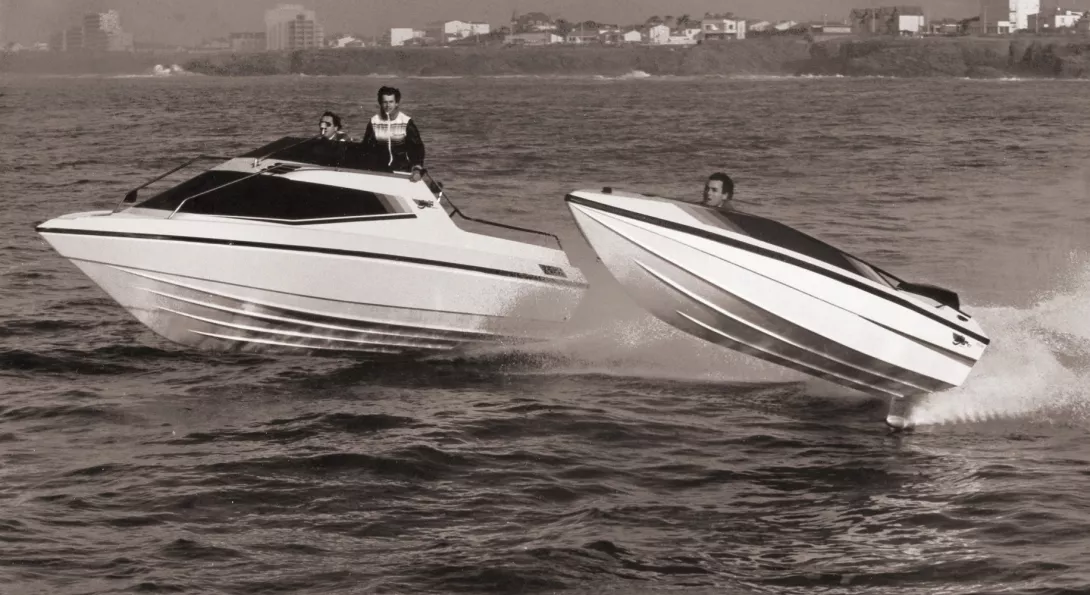
This was not a problem, close on its heels the Flyer range was born and the first models were shown at the Paris Boat Show.
1981-1986
PROSPEROUS YEARS
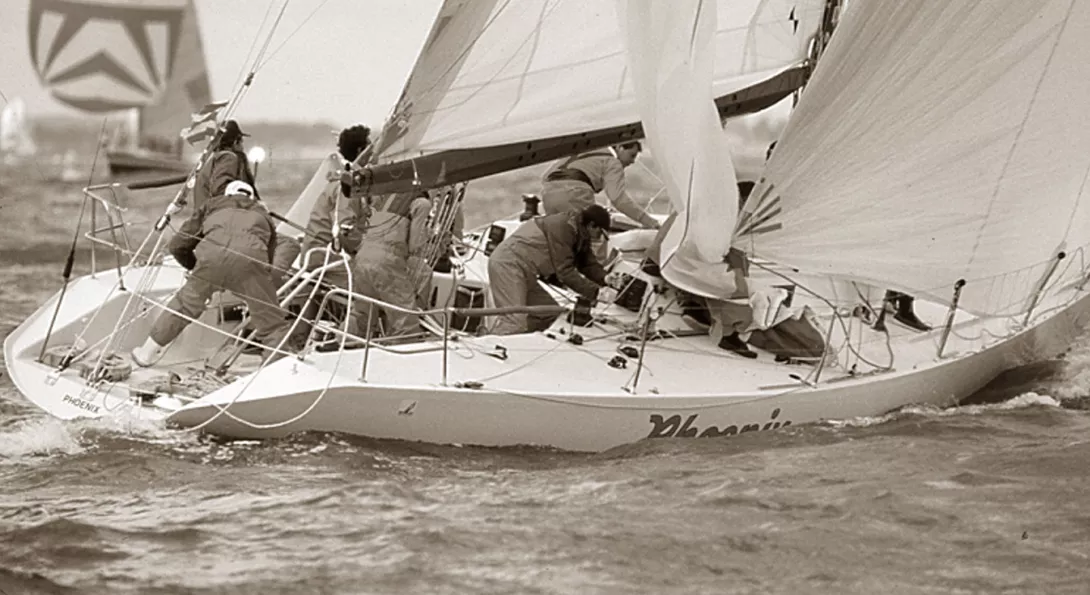
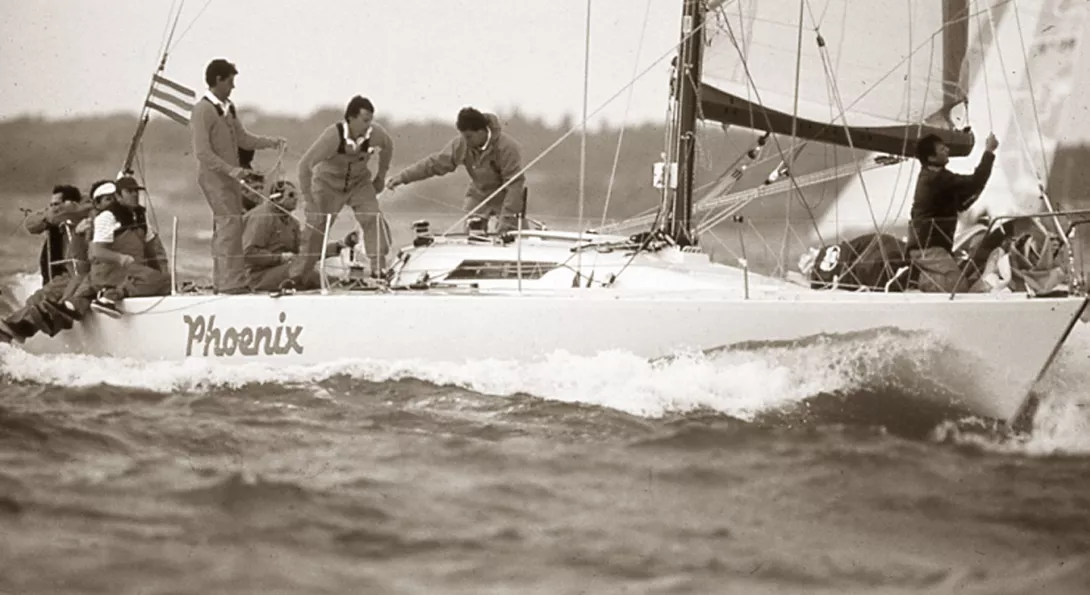
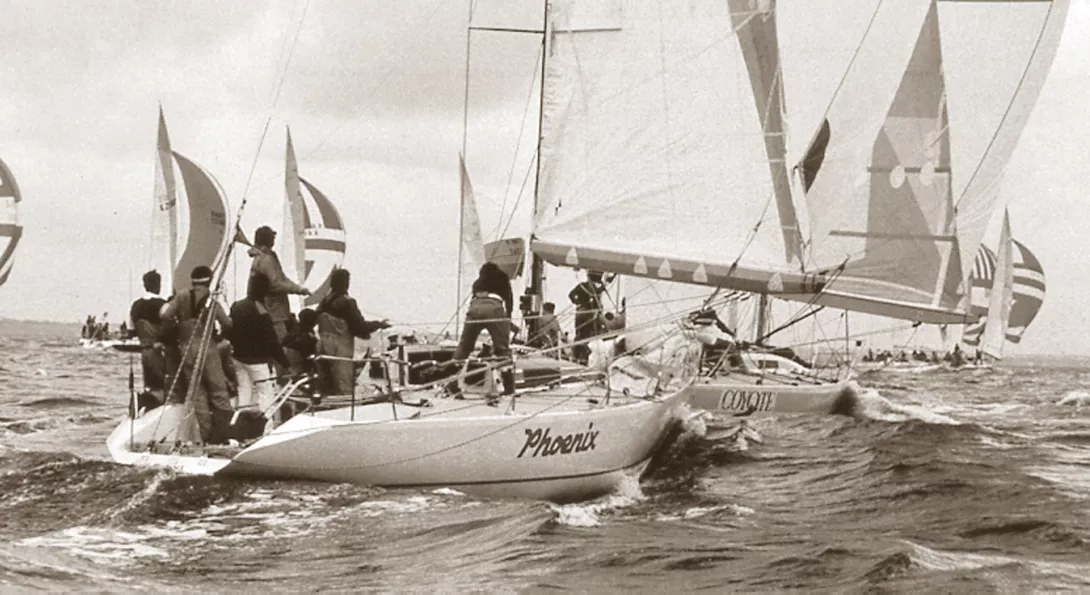
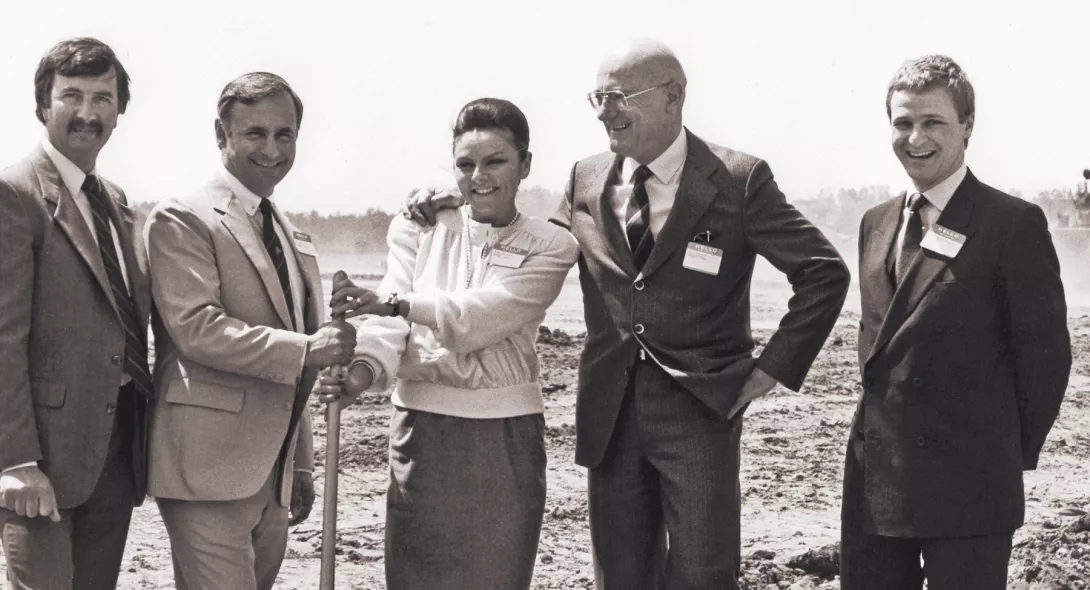
This decade would be decisive. Of course, from the 1970s, we were investing in export insofar as our resources would permit, setting up a network of dealers and importers, in particular in European countries, with the exception of the United States, where we opened a subsidiary in Annapolis, in 1976. The aim of this was to establish our brand, but especially to understand the American consumer’s tastes by being present on site.
1989
THE BEGINNING OF THE FIGARO ERA
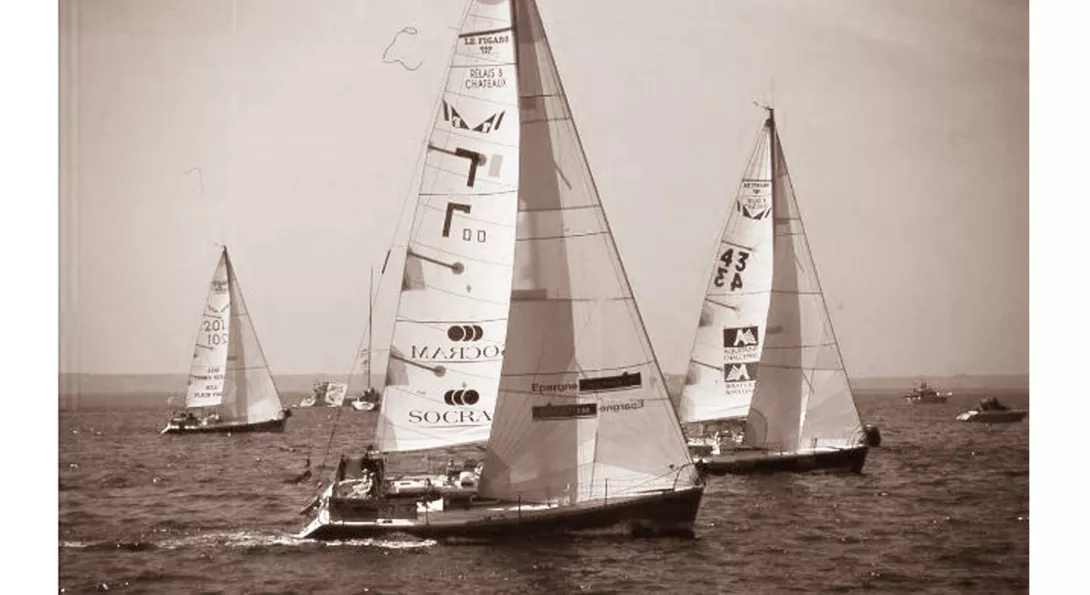
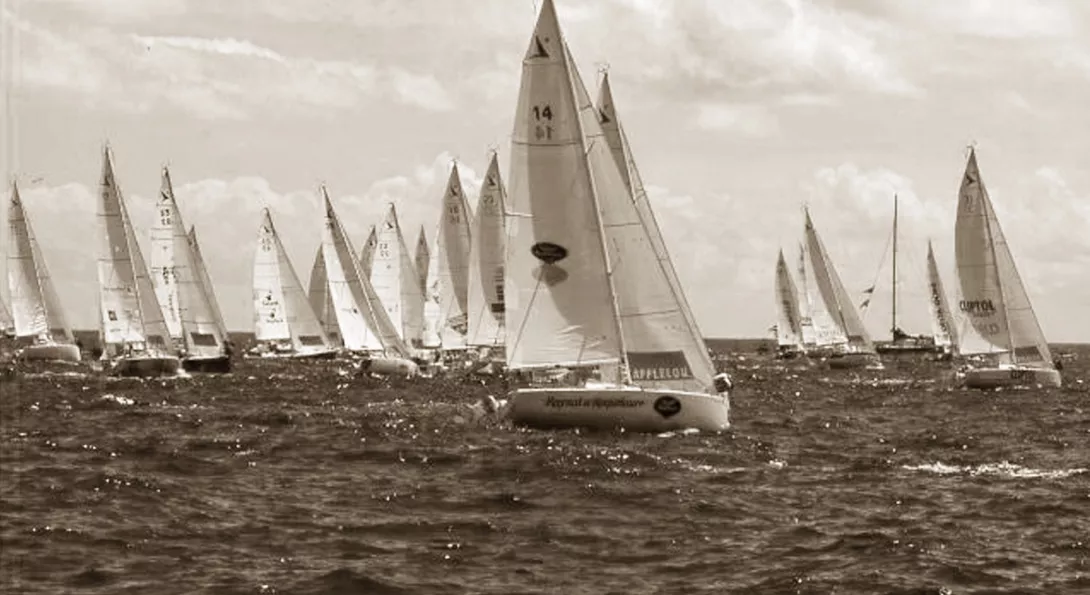
With our ongoing desire to promote sailing, it was the year of the first Class Figaro.
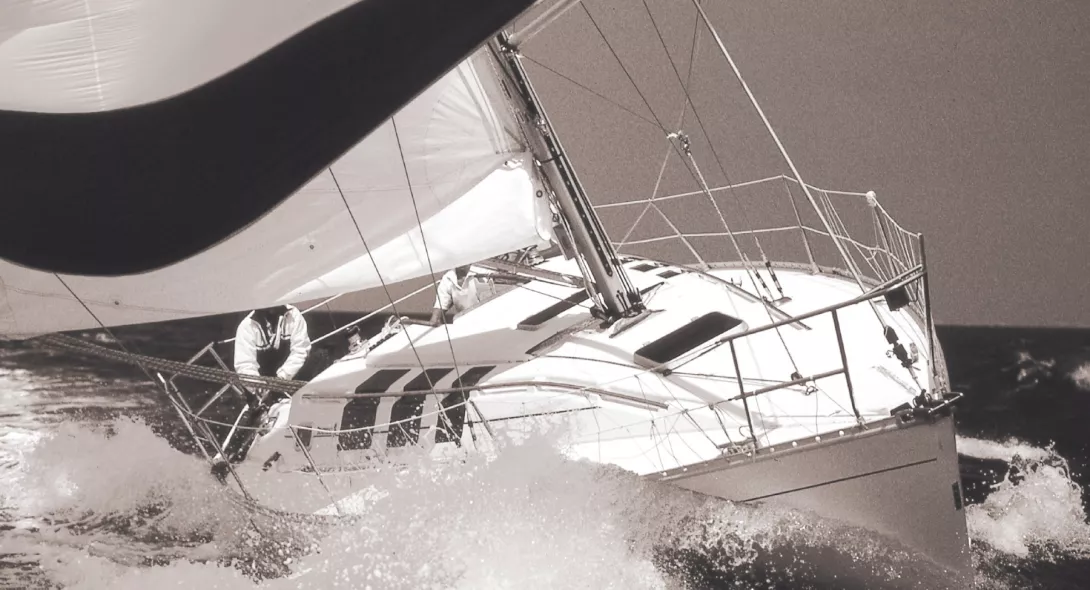
The Figaro Race - previously known as the Course de l’Aurore - which is traditionally competed with prototype yachts, adopted a one-design format. BENETEAU could not miss out on this competition, which we had been following ever since the launch of the First - a race that Michel Malinovsky won as soon as the boat was launched, earning him widespread recognition.
1990
CREATIVITY
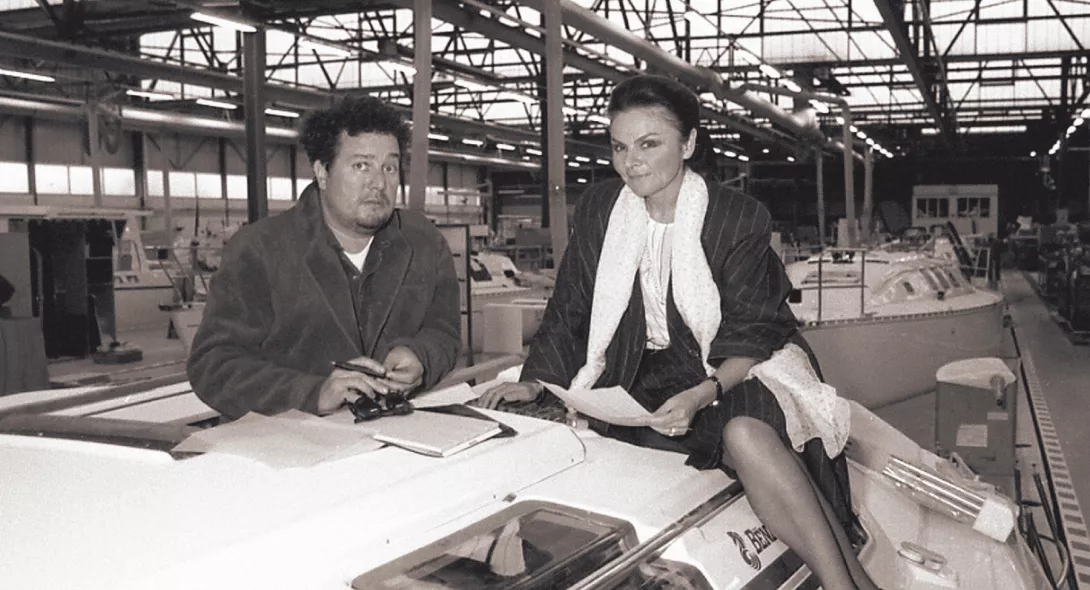
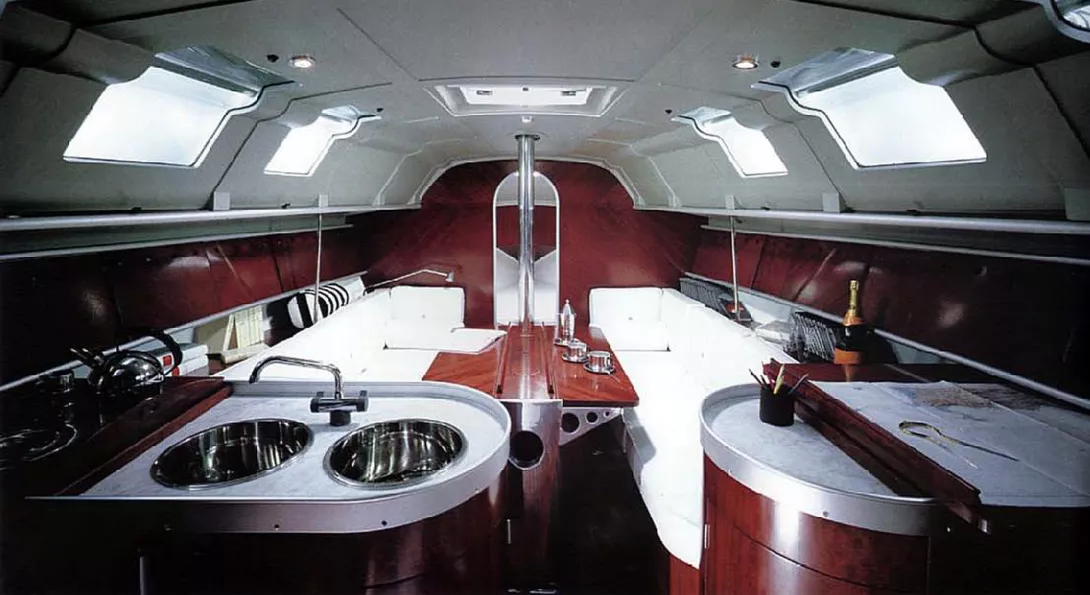
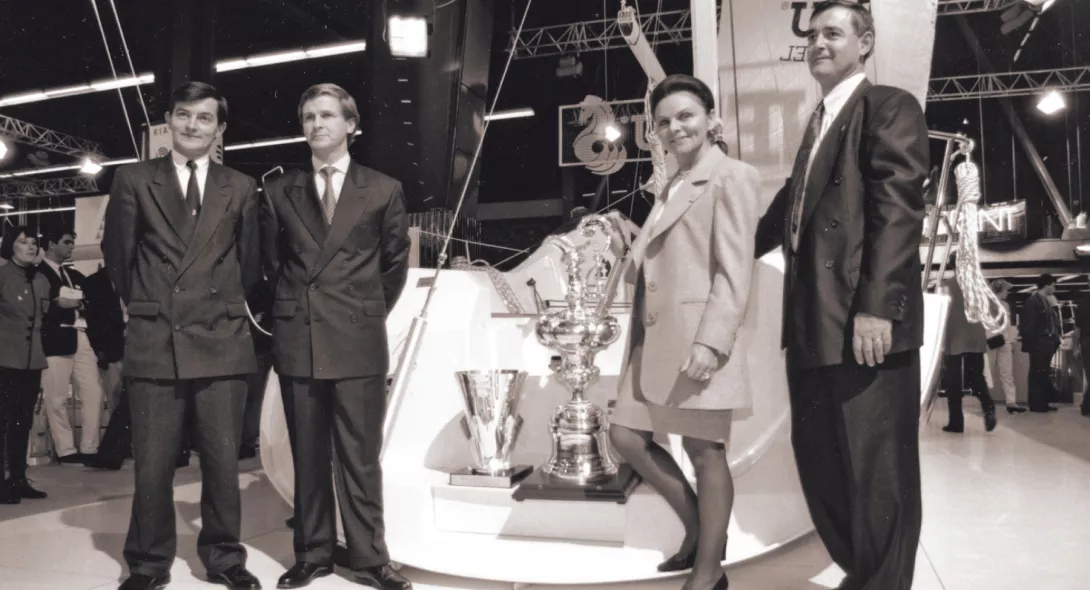
As the first world economic crisis to hit the sailing industry was looming, we continued our creative research on the First. A meeting at the Paris Boat Show with a loyal Italian customer would draw our attention. This customer, a great designer with Pininfarina, told us he “could no longer dream” since all boats looked alike. He talked of shapes that had changed, particularly in the car industry, and found our decks too angular.
1991-2001
STAYING UNITED IN HARD TIMES, REMEMBERING AND EVOLVING
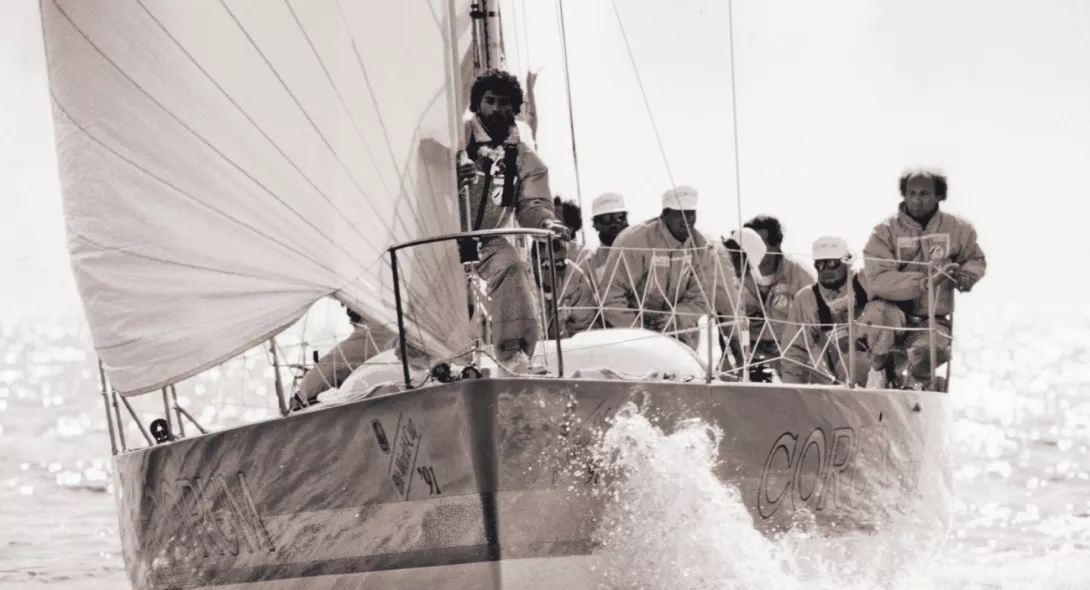
In 1991, during a period of widespread crisis, competitors from all over the world found themselves on equal footing. How do you cope with a crisis when you have no bearings? Some manage it with figures but end up killing their business; others manage it in a more humane way, facing criticism and scepticism. Others do not succeed...
We managed to overcome this ordeal because we remained united. We knew that our staff trusted us, and given their common sense, we were confident that we could rely on them. However difficult these phases may be, they are part of the process of self-questioning, gaining new insight and restructuring.
2003-2004
SHARING AND THANKING
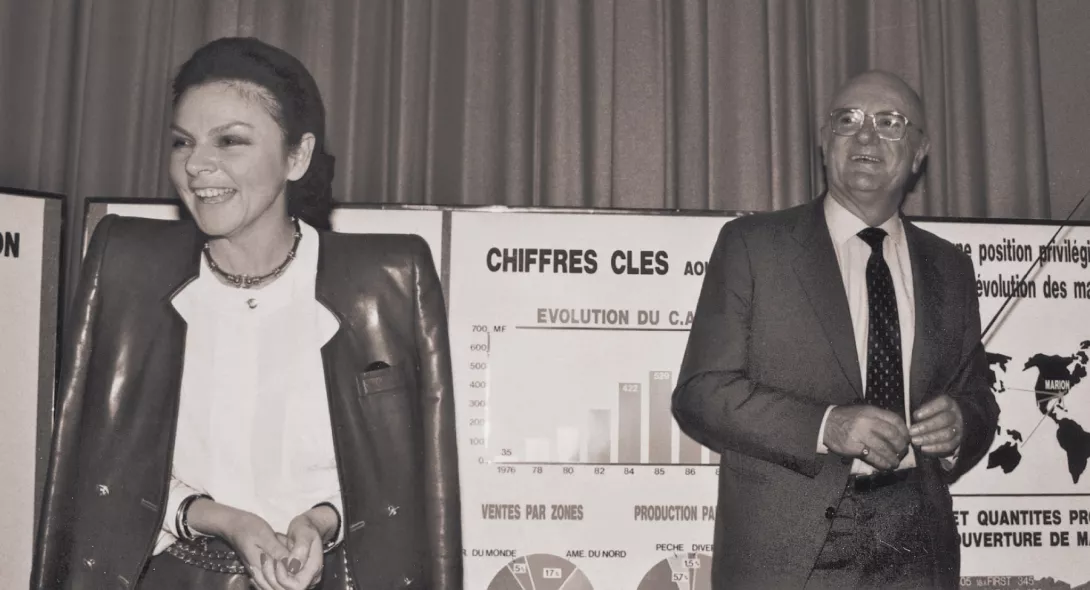
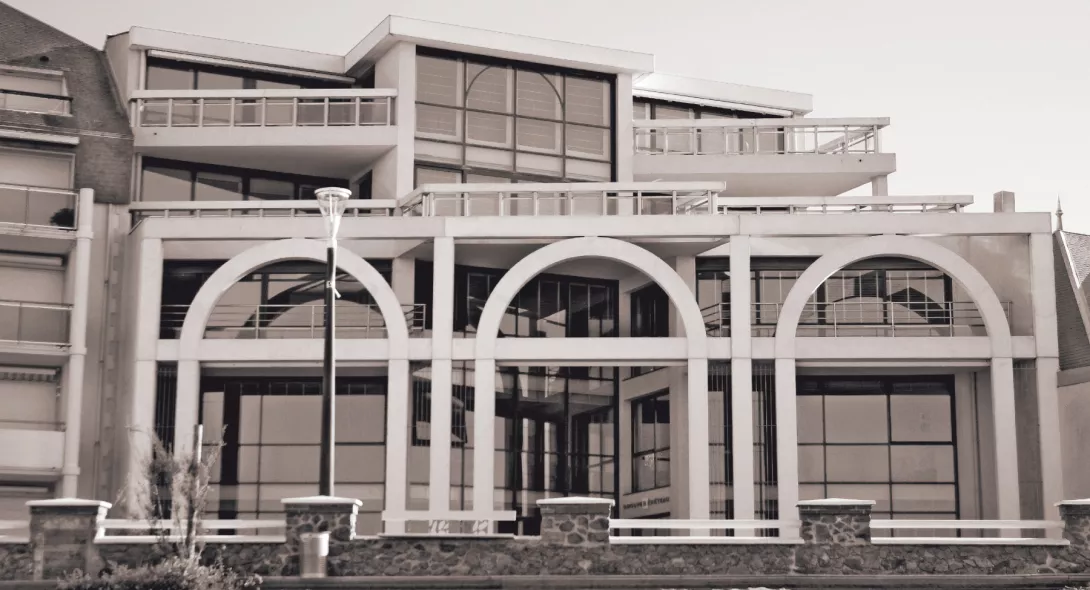
It was during the crisis that we changed our business model. BENETEAU Shipyards became the Beneteau Group. This raised the question of where the head office should be located. It was decided that it would be in St-Gilles-Croix-de-Vie, opposite the harbour entrance, by taking over the restaurant Les Embruns. It was the place facing the jetties, where so many business deals were concluded, and where our father used to take us as children to watch the launch of his latest fishing trawler.
2004. Everything went well; our growth was spectacular, we were building new factories and modernising our existing equipment with the Béri design office, managed by Yvon Bénéteau. We gained market shares but were no longer a small family business. Personally speaking, forty years have flown by, and my responsibility was to anticipate the future.
2004
Air Step - The Revolution of the Hull Structure
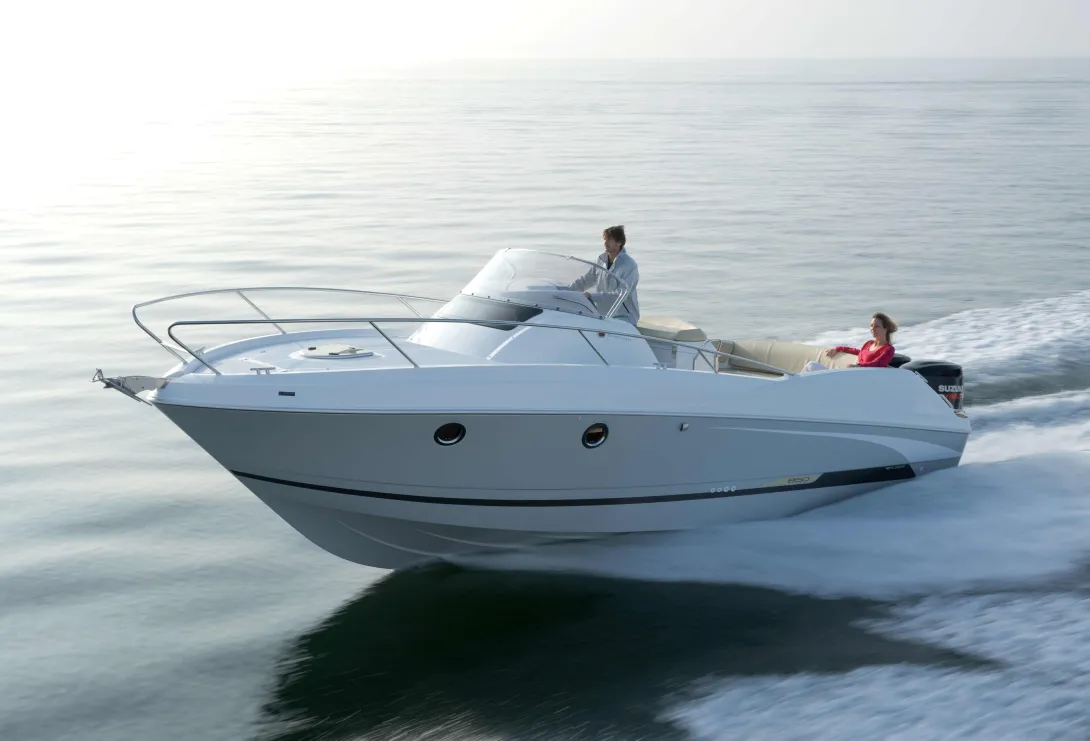
The early 2000s were marked by a major technical innovation that completely changed the performance of motorboats: the Air Step hull structure.
Developed from 2003 and launched in 2004 on ranges such as the Flyer, this patented technology uses a system of moulded steps and grooves to draw in air and pull it under the hull. The air cushion created in this way reduces the surface area in contact with the water and significantly optimises performance.
2004
The Emergence of a New Reference — The Swift Trawler Range
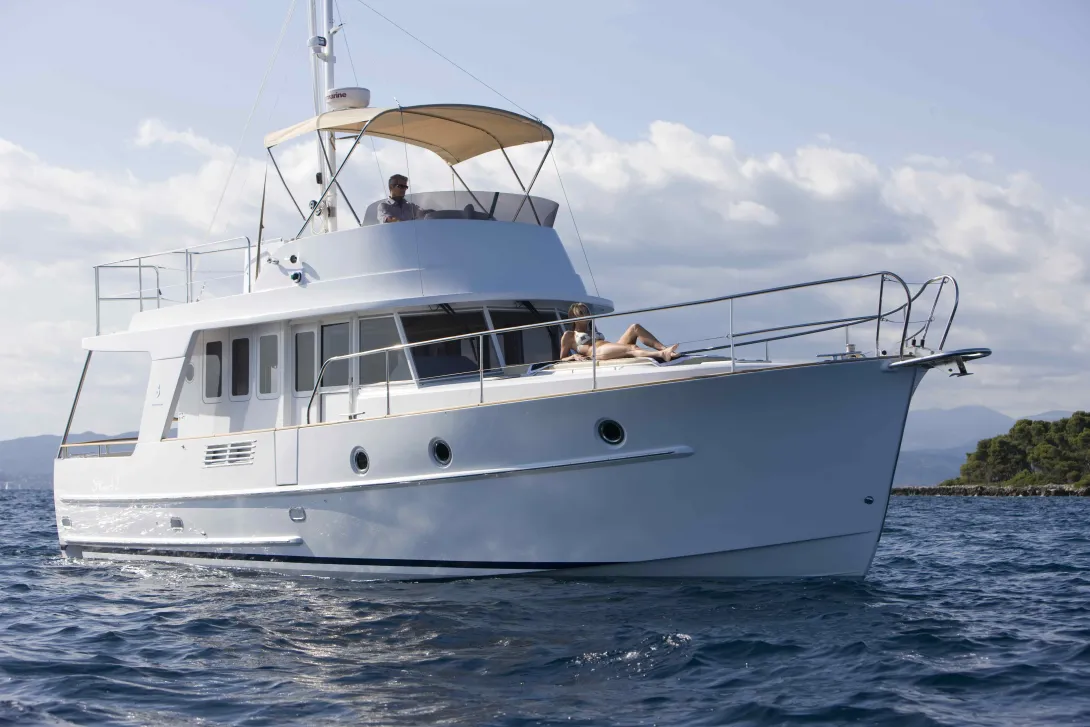
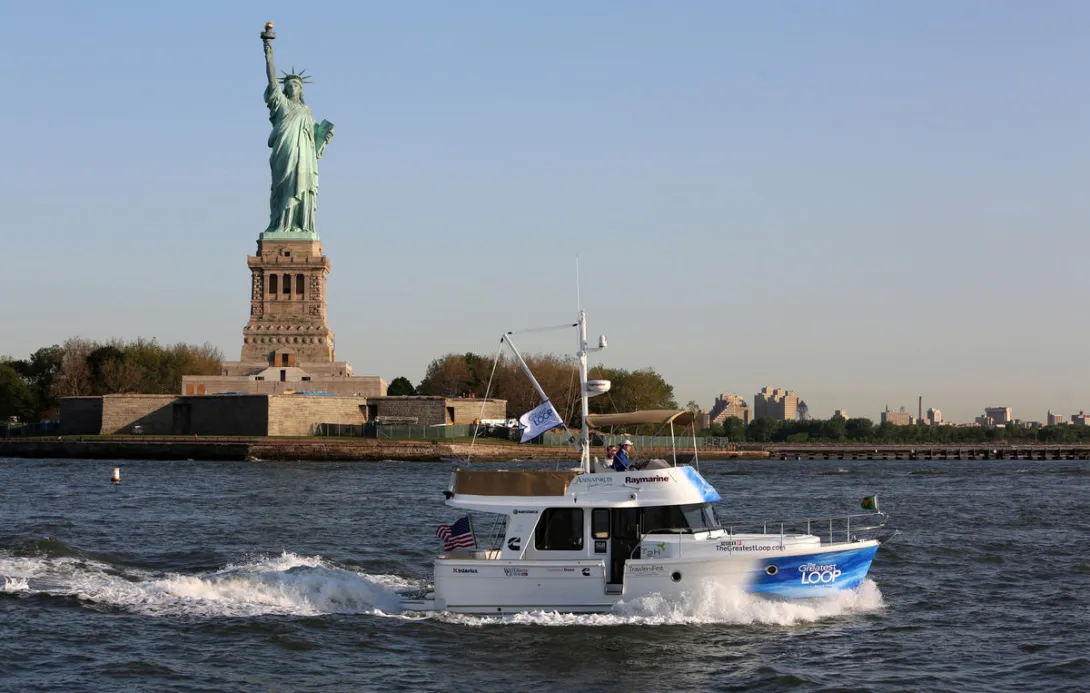
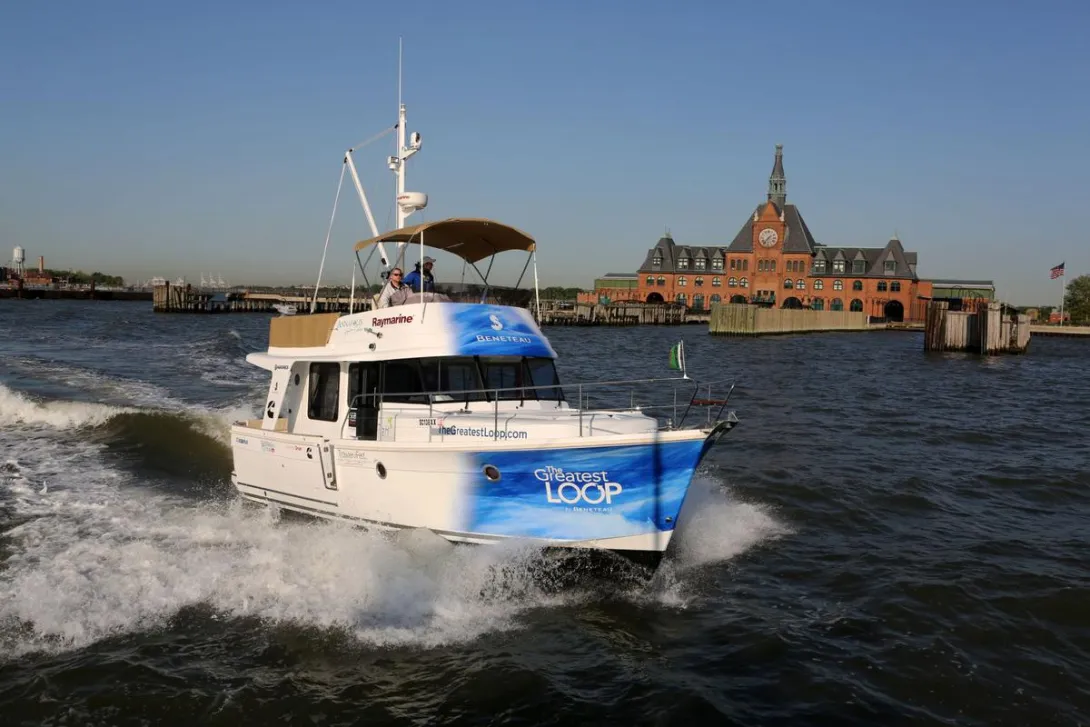
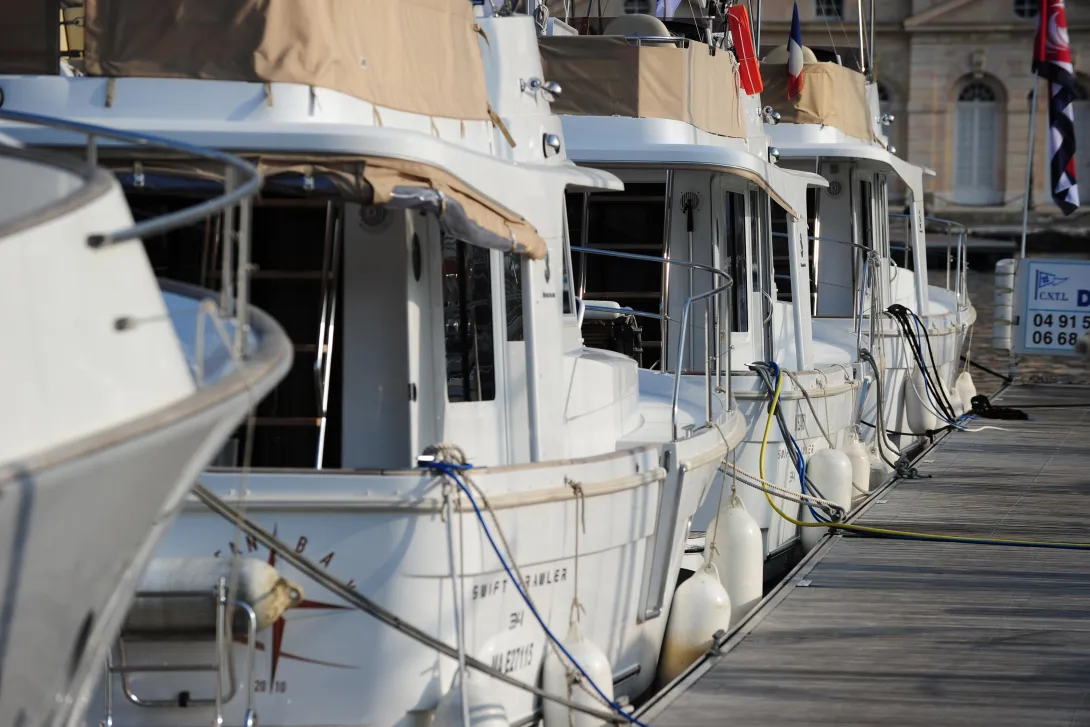
The year 2004 marked a milestone in the history of leisure boating with the launch of the Swift Trawler 42, the first model in a range whose bold design reinvented the trawler concept.
It is no longer just a boat, but a travel philosophy. Designed for long-distance boating enthusiasts, eager to discover new places and people, the Swift Trawler quickly became a universal success, establishing themselves as the global reference for modern "passagemakers".
2005
The Undeniable Success of the Cyclade Range
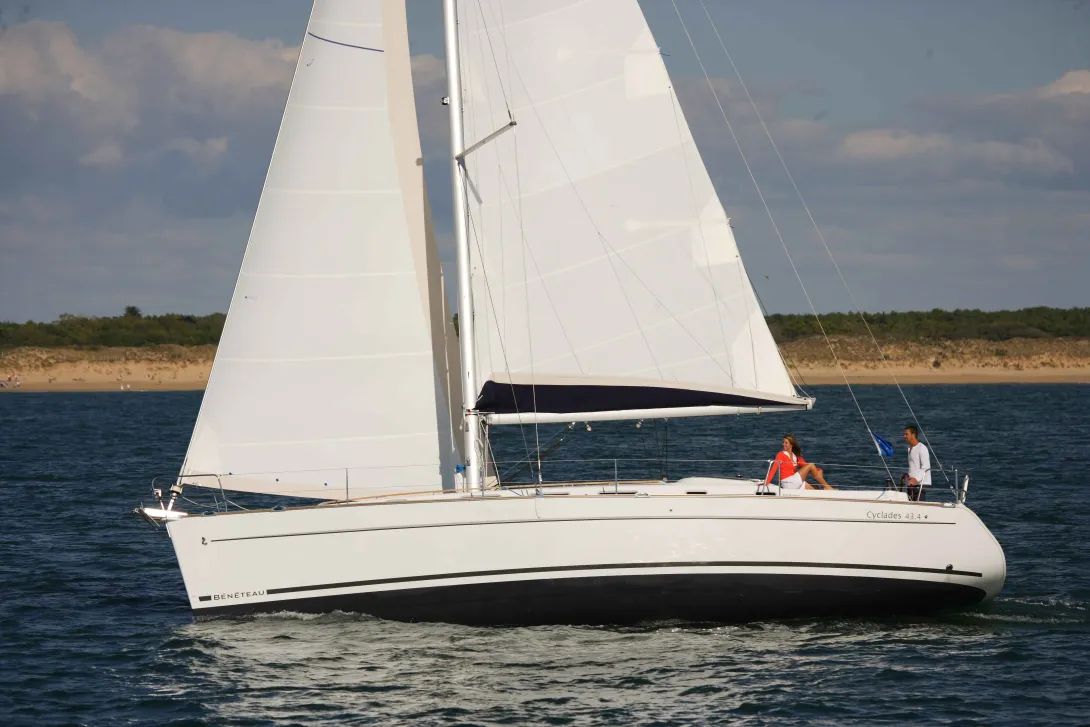
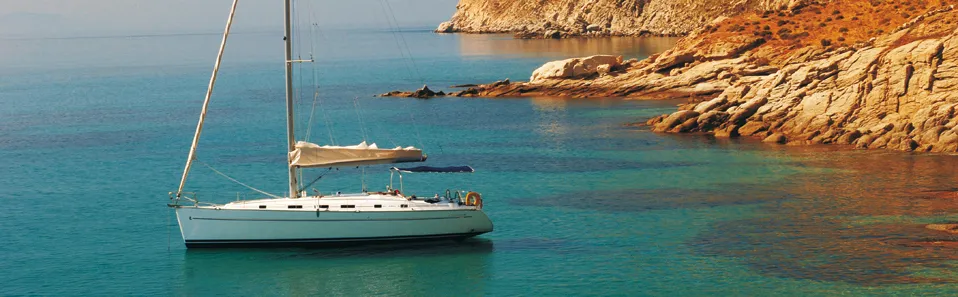
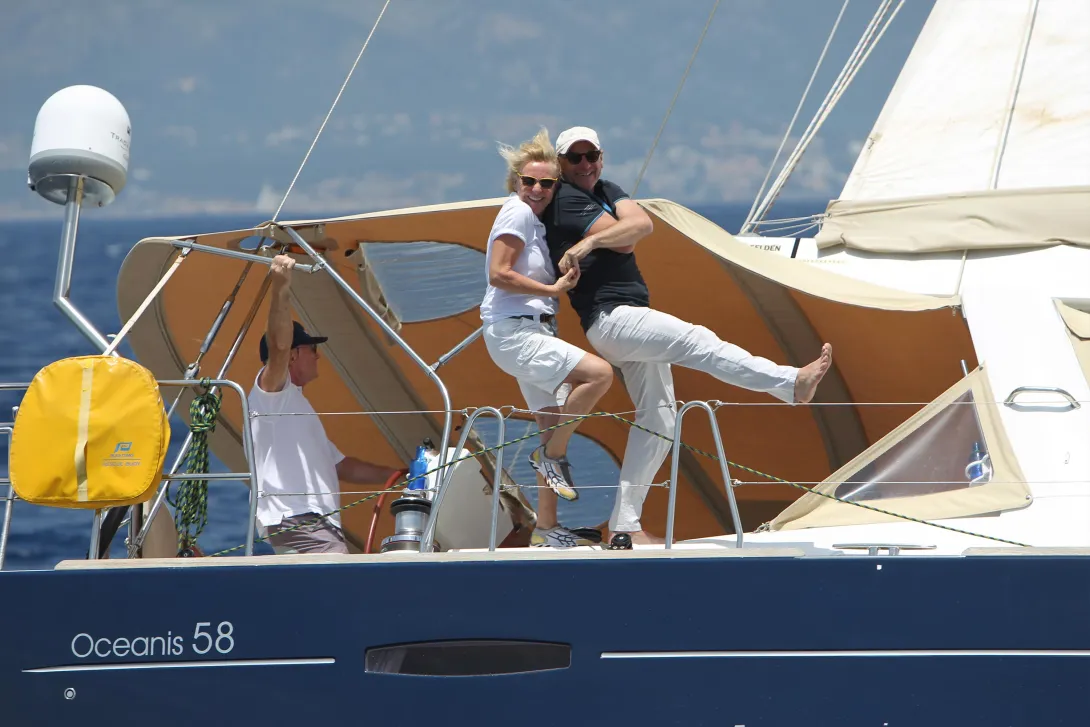
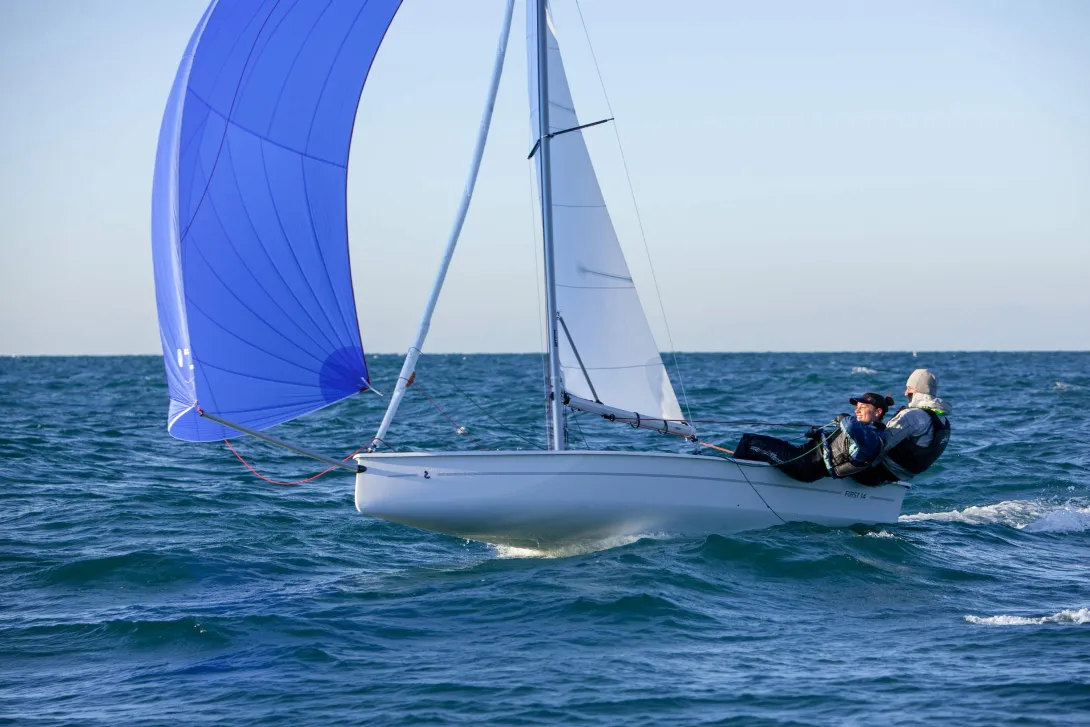
The year 2005 witnessed the strategic launch of the Cyclade range. While it enjoyed great success and became a favourite choice amongst international charter companies, its main aim was to provide a highly well-designed sailing yacht, dedicated to simplicity and the pure pleasure of navigation. These qualities - robustness, optimum ergonomics and unrestricted comfort - have also appealed to many owners looking for a reliable and user-friendly boat for their cruises.
2006
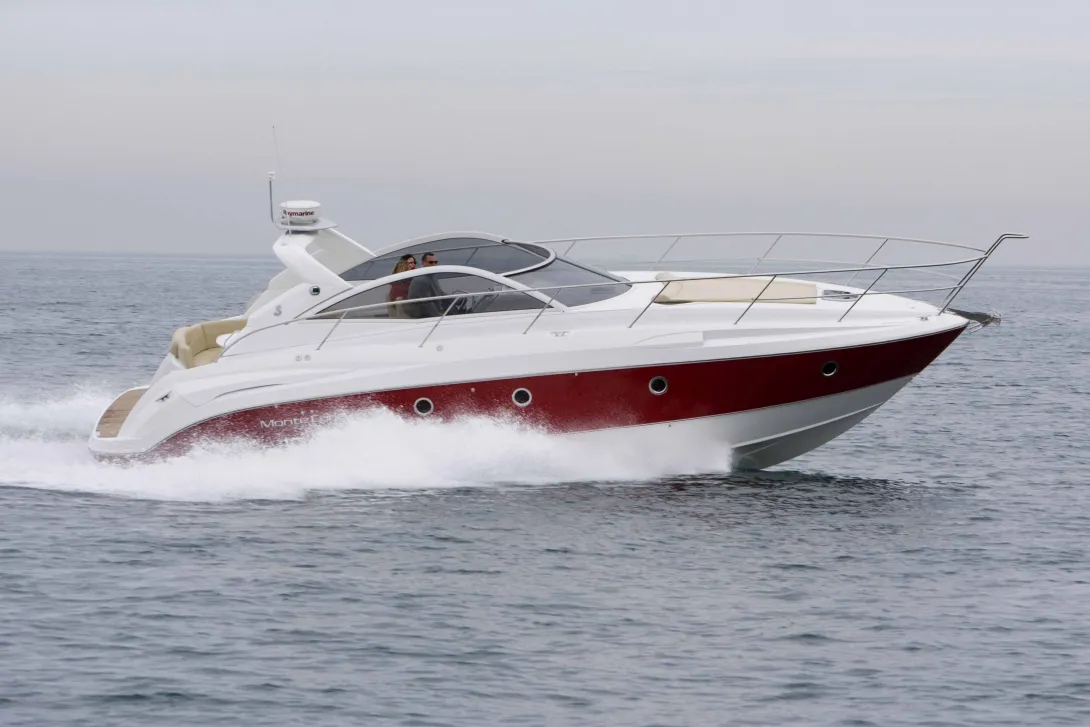
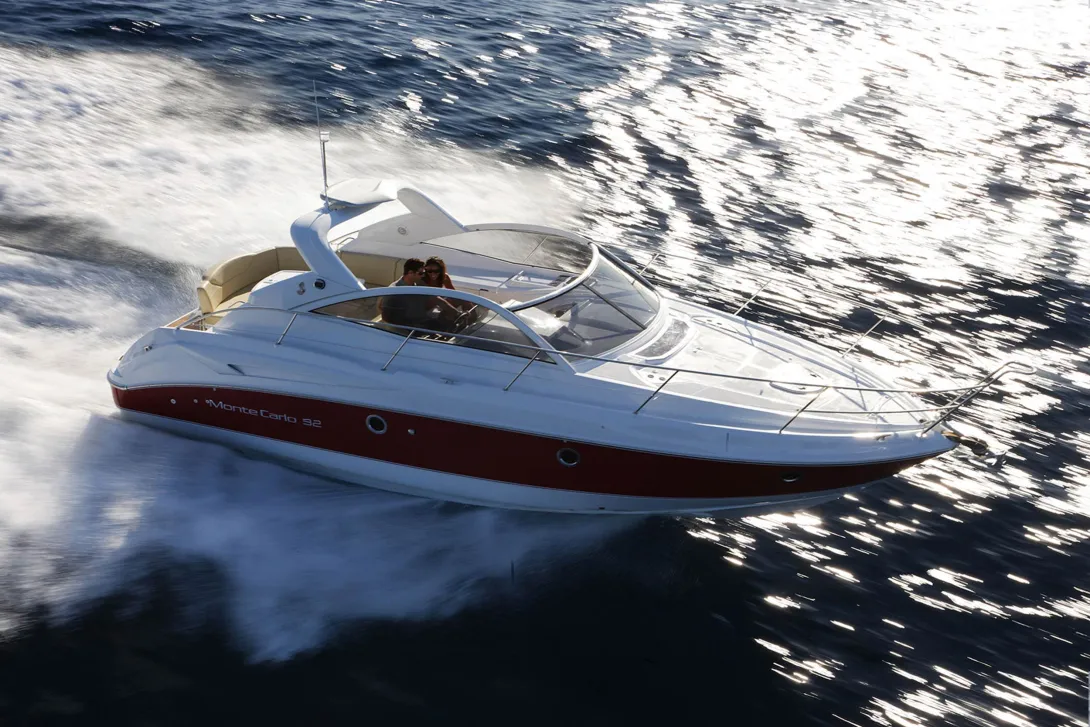
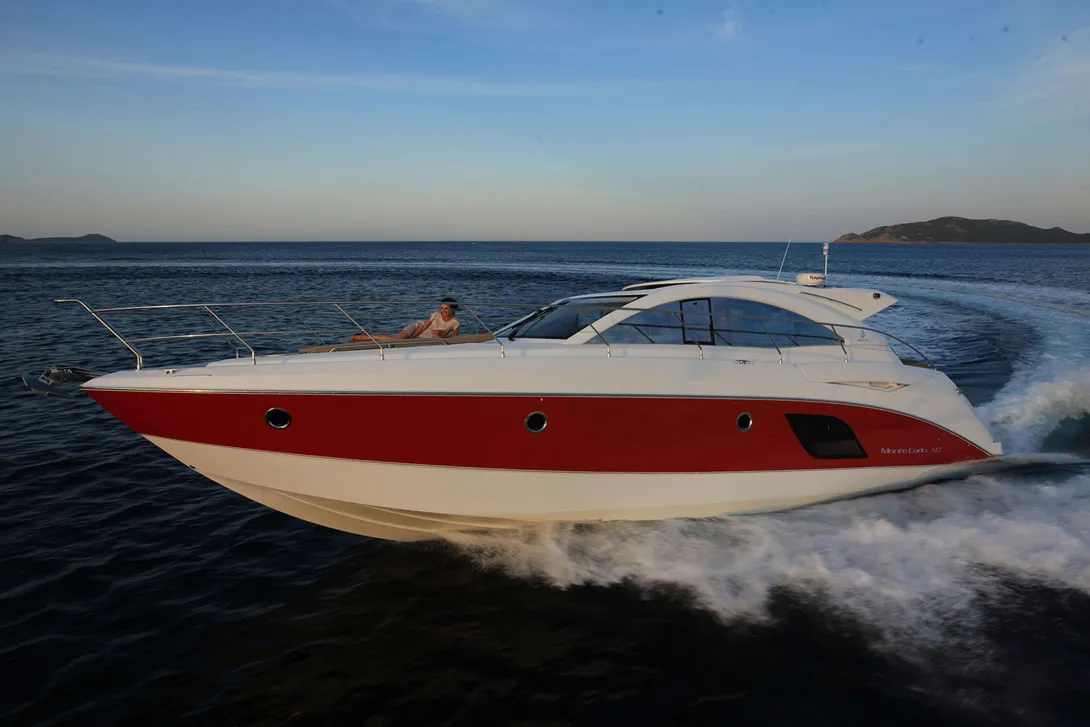
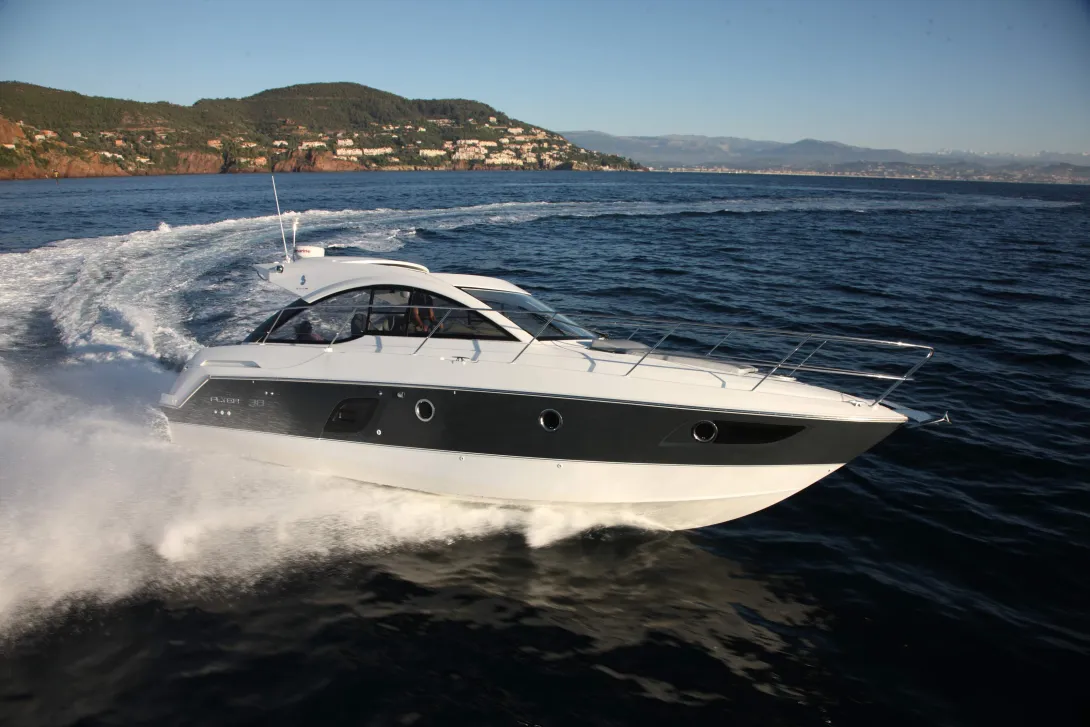
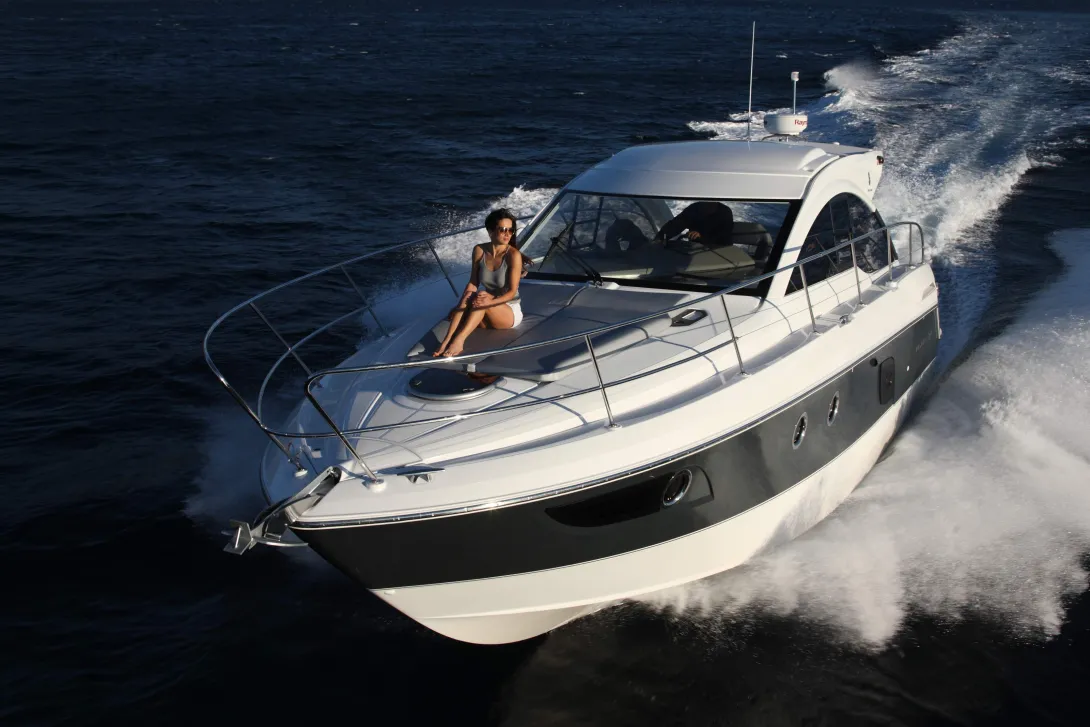
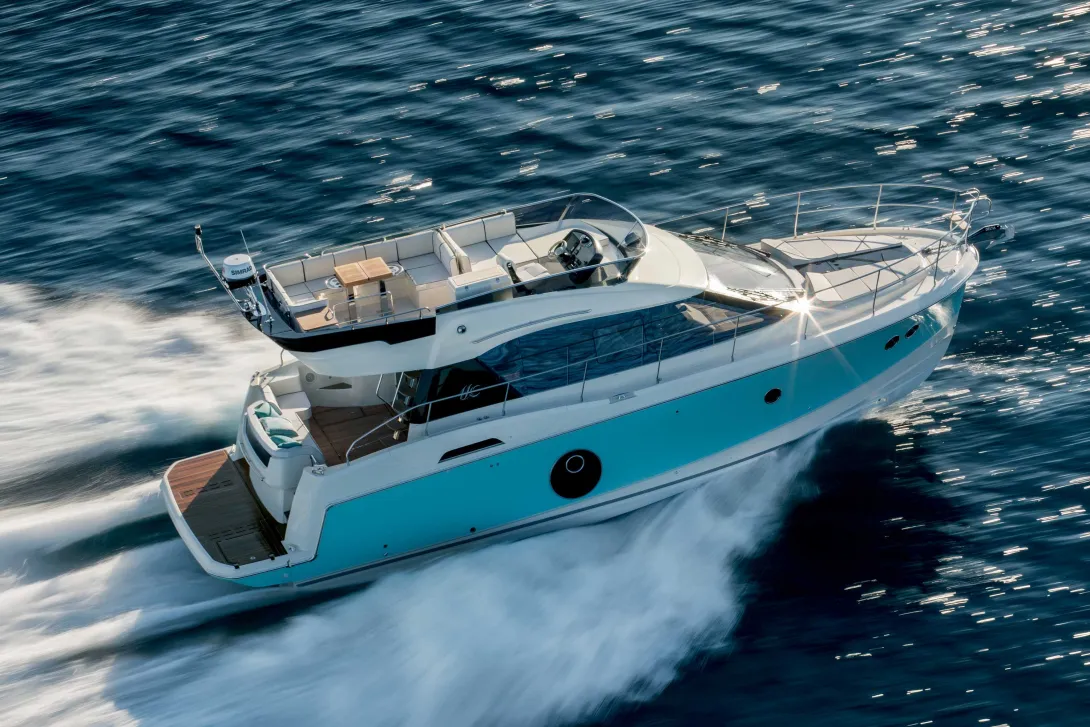
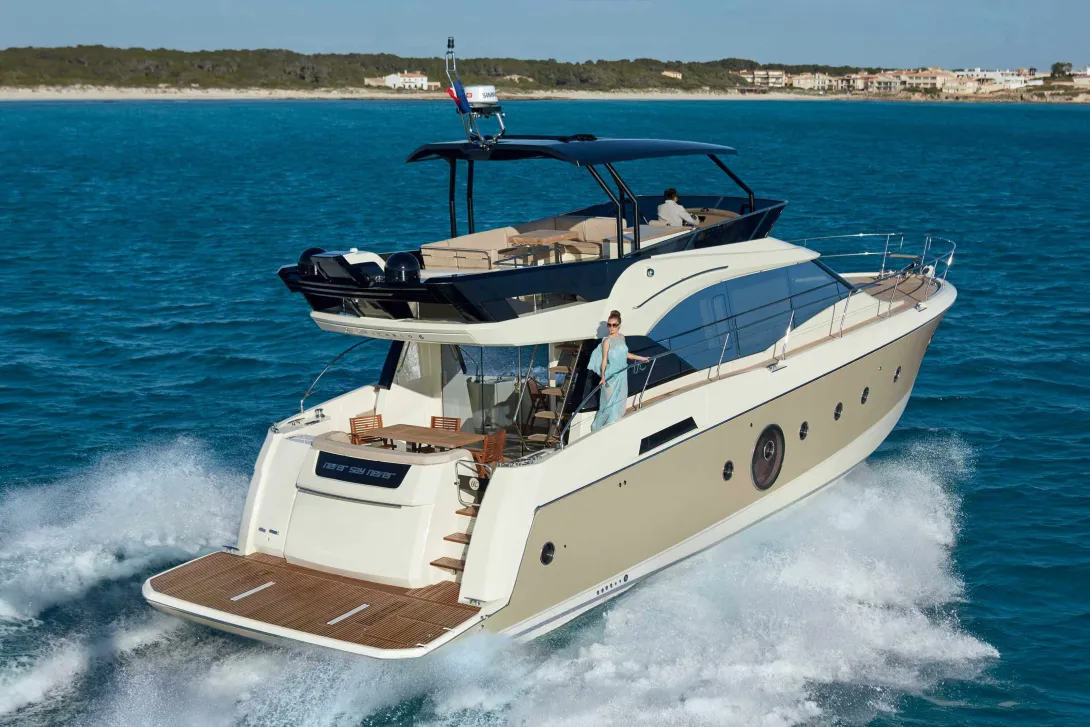
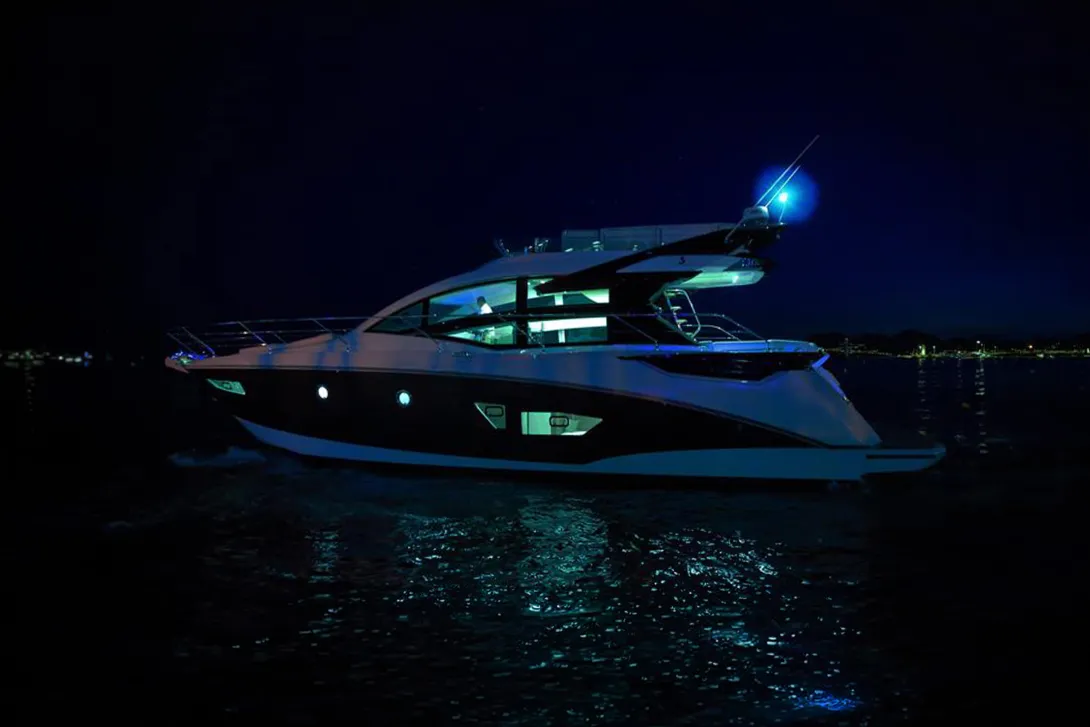
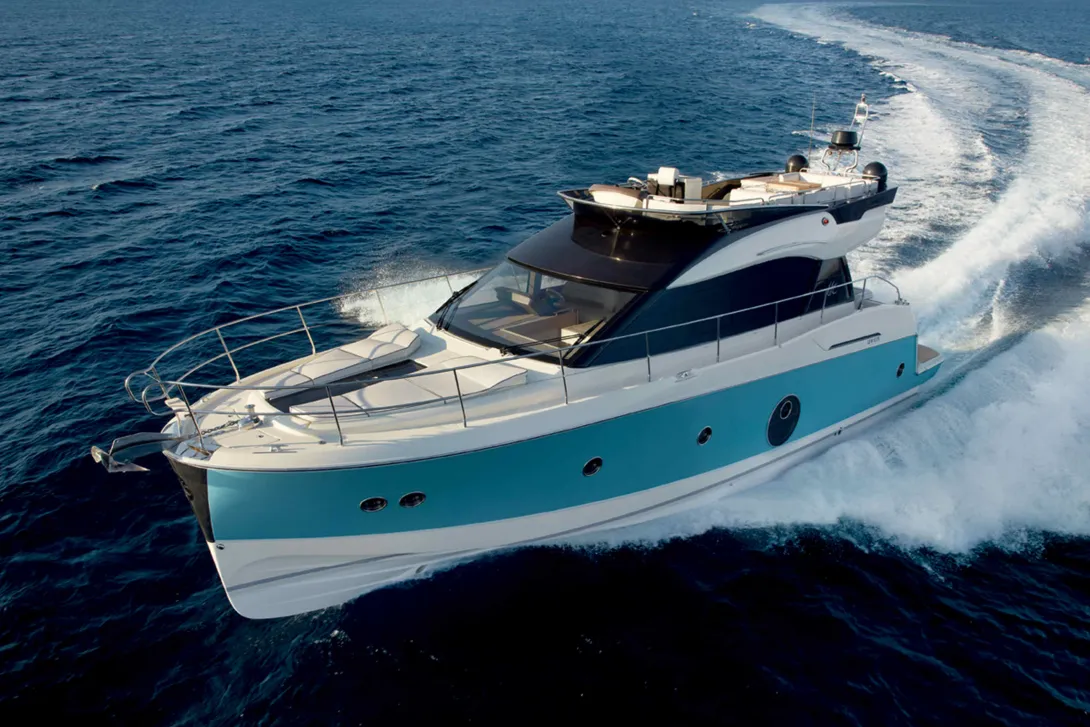
A Dynamic and Strategic Entry into the Express Cruiser Segment
The year 2006 marked a daring turning point with the company’s decisive entry onto the highly competitive market for express cruisers and high-end motorboats. This strategic move enabled us to satisfy the expectations of customers seeking performance, innovation and a resolutely contemporary style.
2009
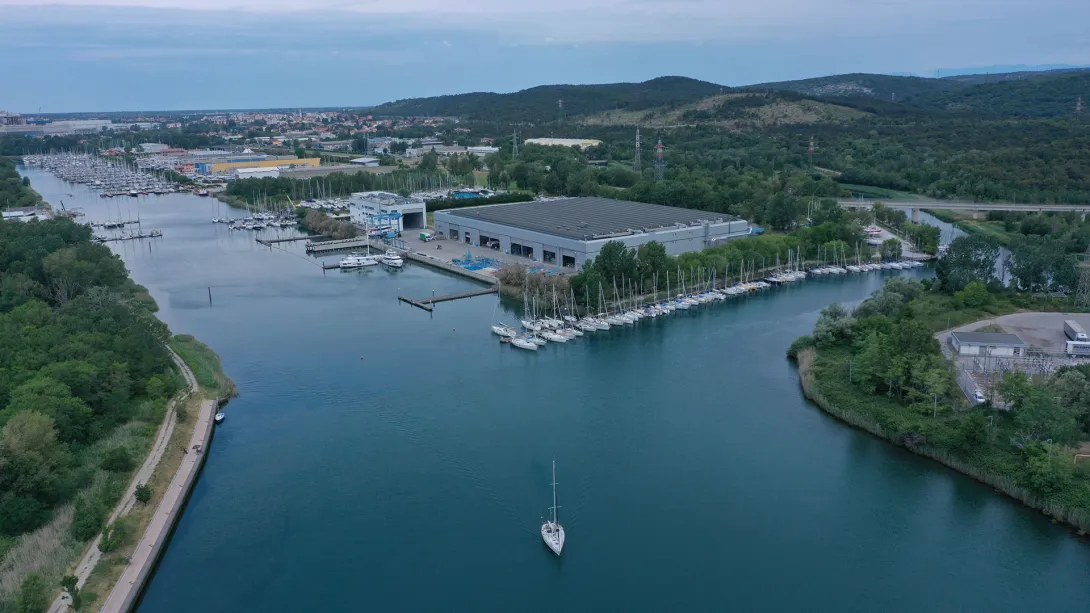
The Strategic Acquisition of the Monfalcone Shipyard
The year 2009 was a strategic turning point in the Group’s history, with the acquisition of the Monfalcone shipyard, located near Trieste (Italy). This major undertaking was aimed to provide the Group with an exceptional production capacity to support its growth in the large and luxury yachting markets.
2010
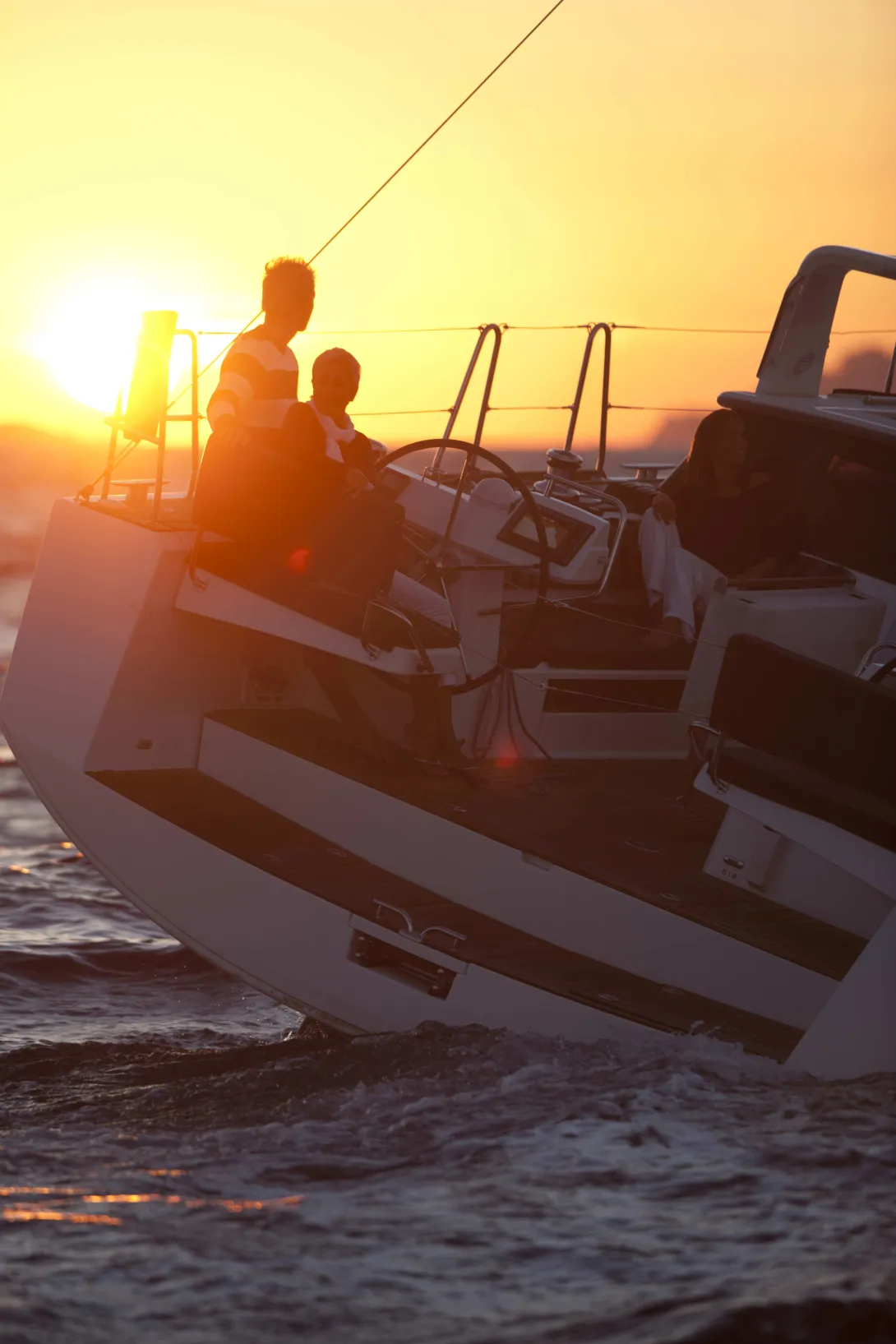
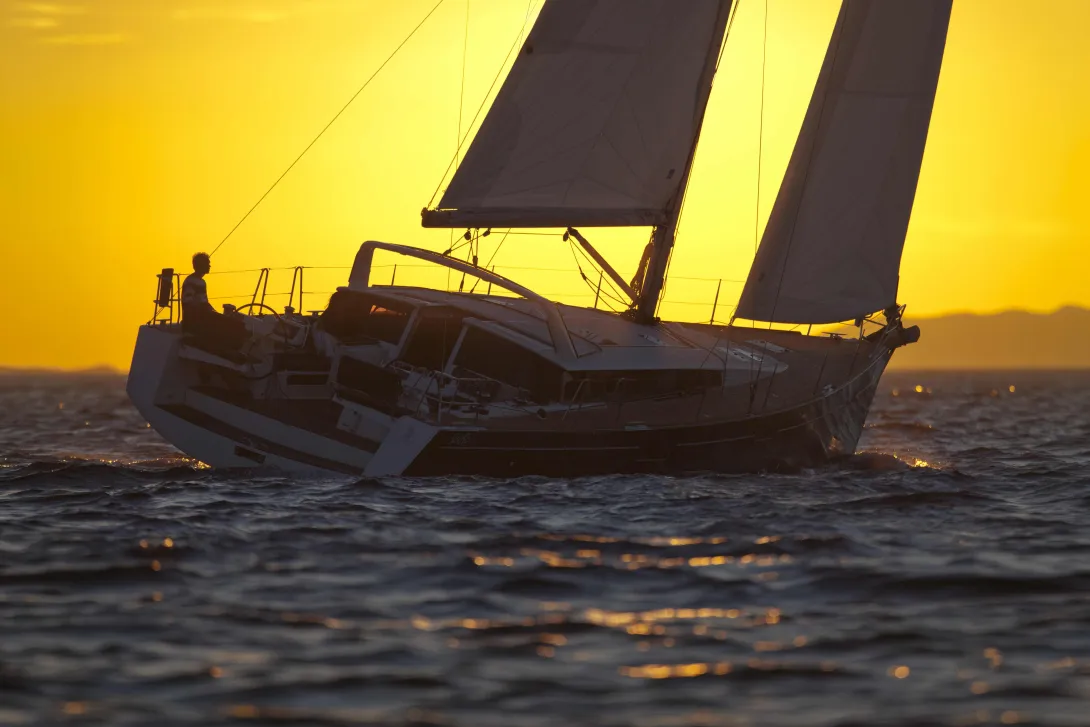
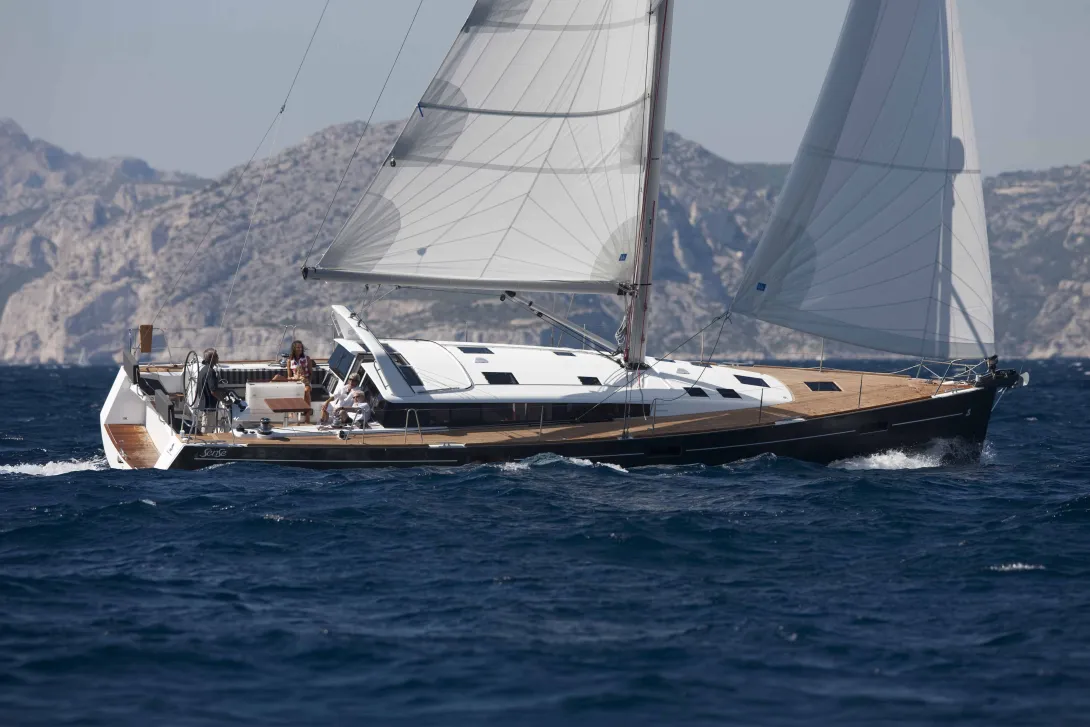
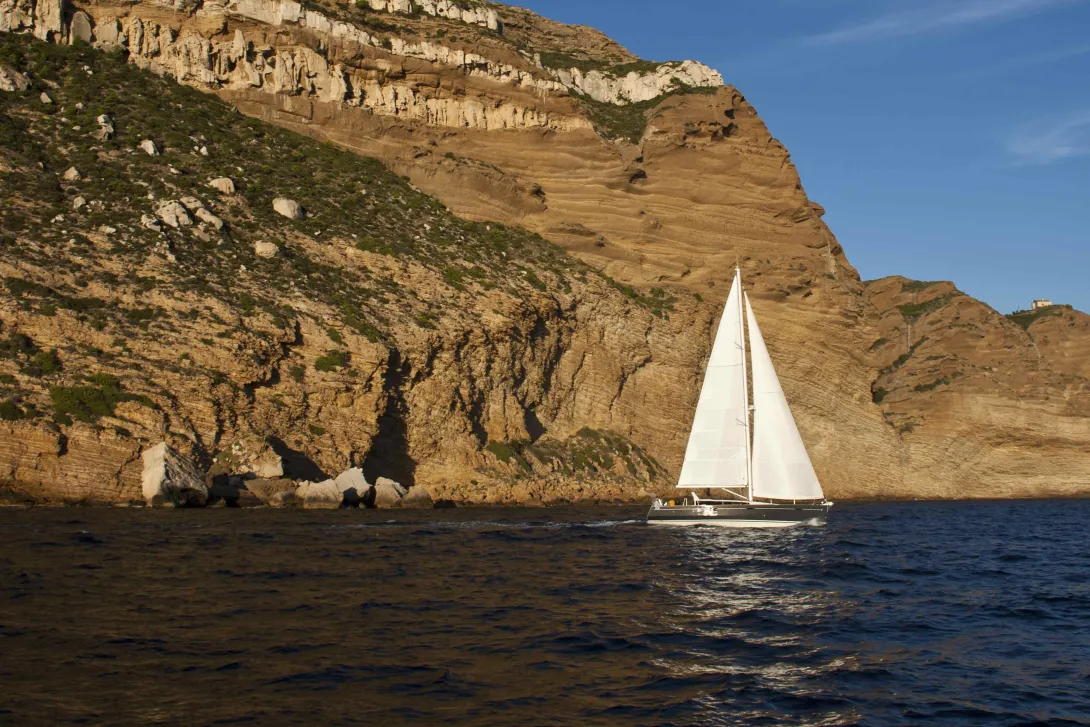
The Revolutionary Launch of the Sense Range
The year 2010 marked a major stylistic and ergonomic break with the launch of the Sense range. This new range of cruising sailboats was designed to redefine the art of living at sea, offering an experience that privileges conviviality and a close connection with the marine environment.
2011
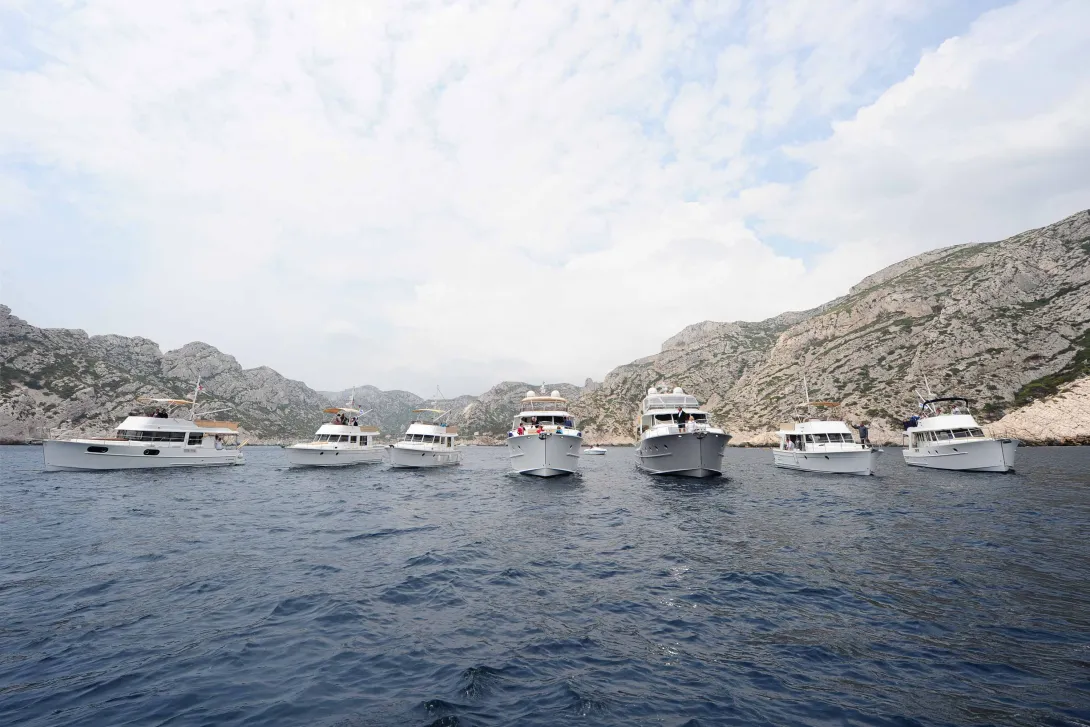
The First Swift Trawler Rendez-Vous - A Celebration of the Community
The year 2011 marked a significant event in the history of the Swift Trawler range, highlighting not only the commercial success of the concept but also its success on a human level: the organisation of the very first Swift Trawler Rendez-Vous.
2012
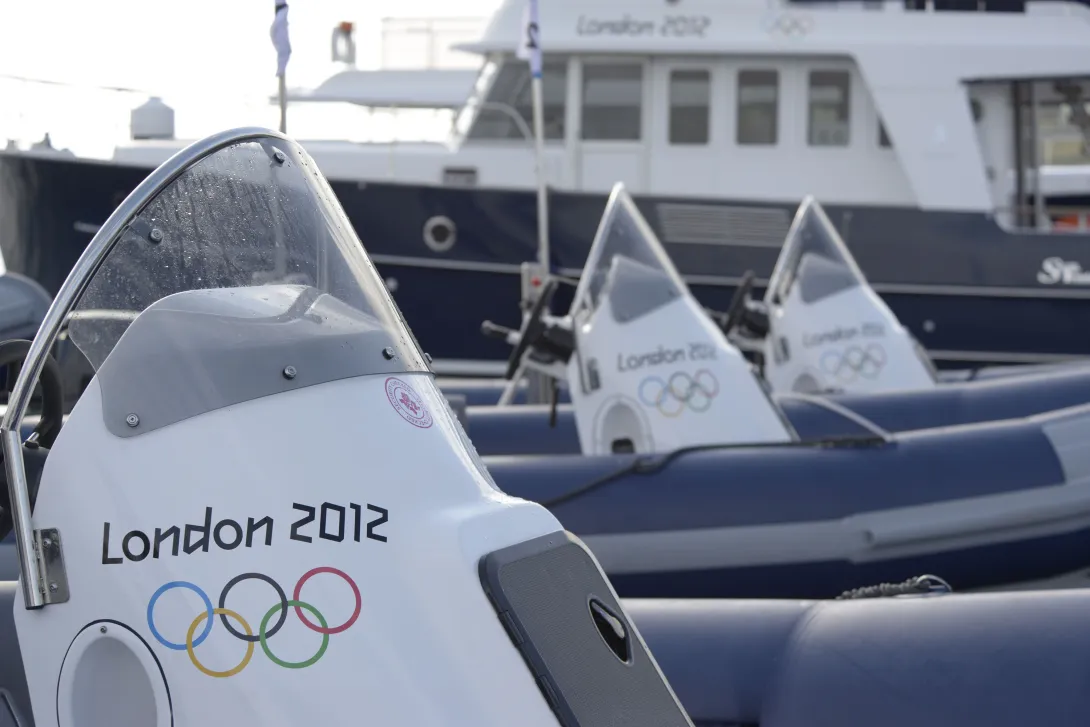
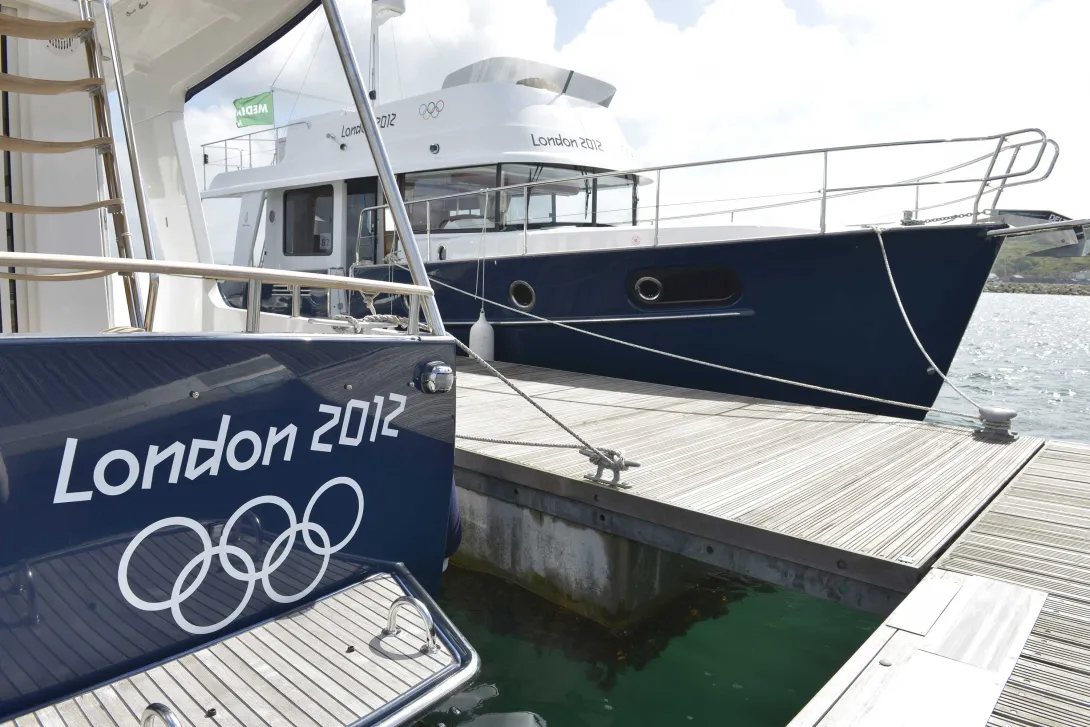
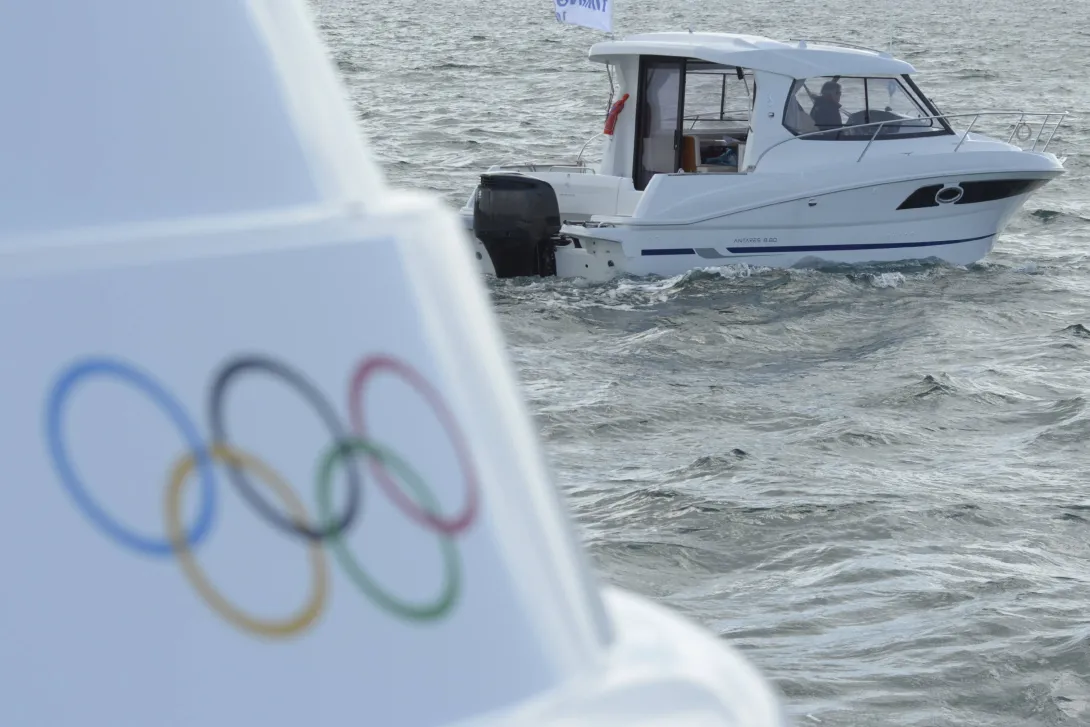
BENETEAU - Prestige Partner at the London Olympic Games
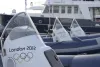
The year 2012 marked the brand’s entry into the highest ranks of world sport: BENETEAU was selected as the official technical supplier for the sailing events during the London Olympic Games.
2012
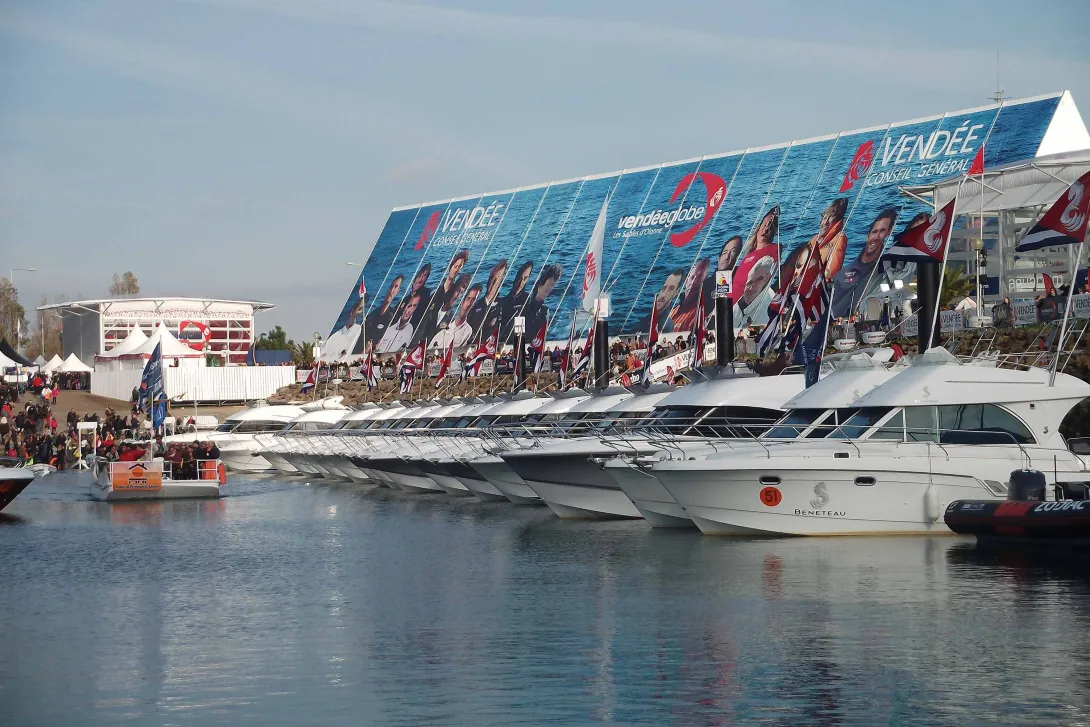
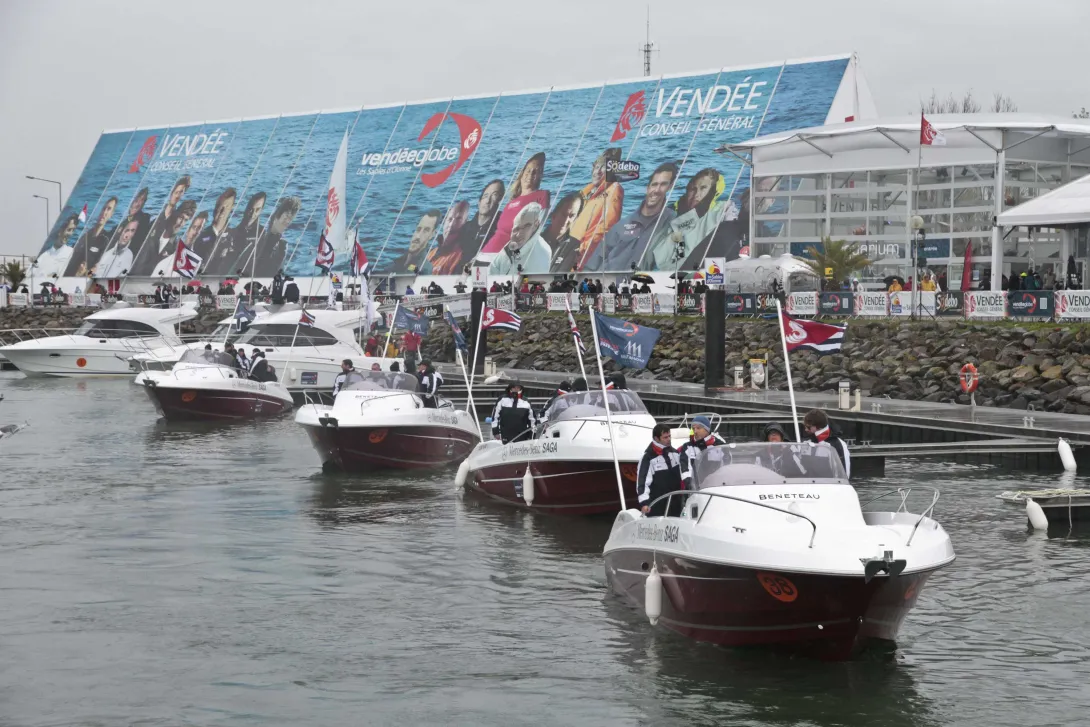
Maritime Expertise at the Heart of the Vendée Globe
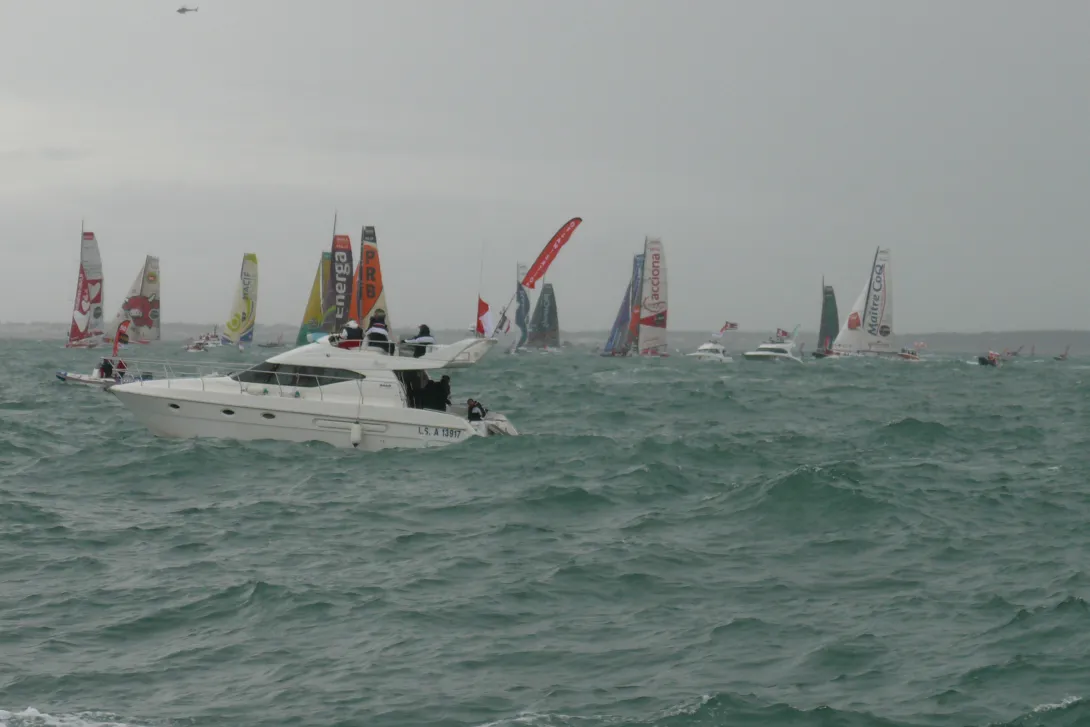
A few months after proving the reliability of its fleet during the Olympic sailing regattas, 2012 continued with a strong and symbolic commitment to ocean sailing races. The brand was appointed official technical supplier to the most demanding single-handed round-the-world race: the Vendée Globe. This historic partnership is not just a sponsorship agreement; it is a clear recognition of the expertise and reliability of BENETEAU yachts in the most extreme offshore conditions.
2013
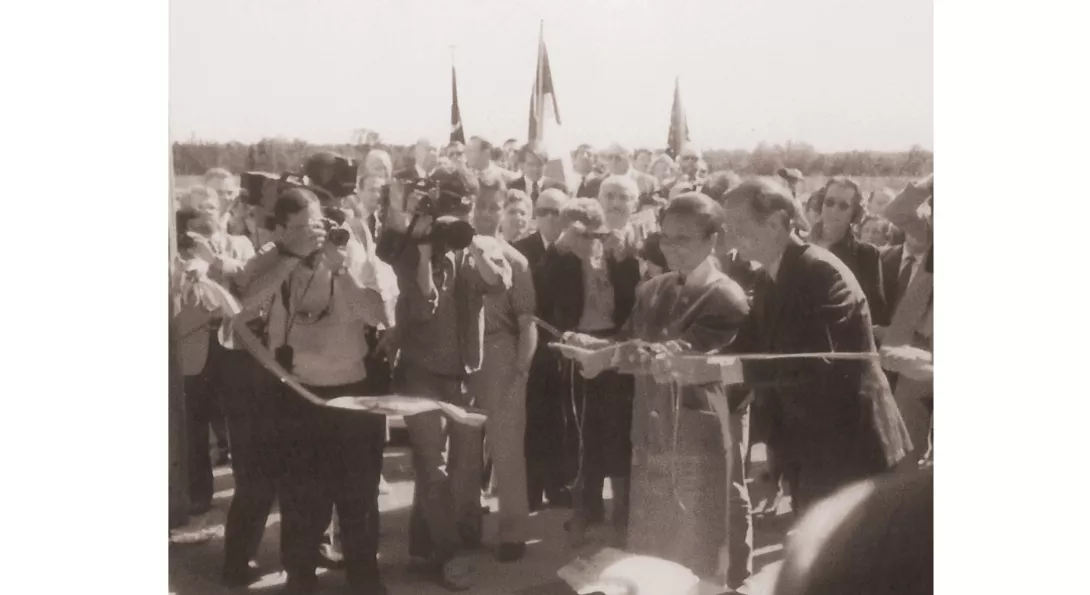
The Inauguration of the Givrand Site
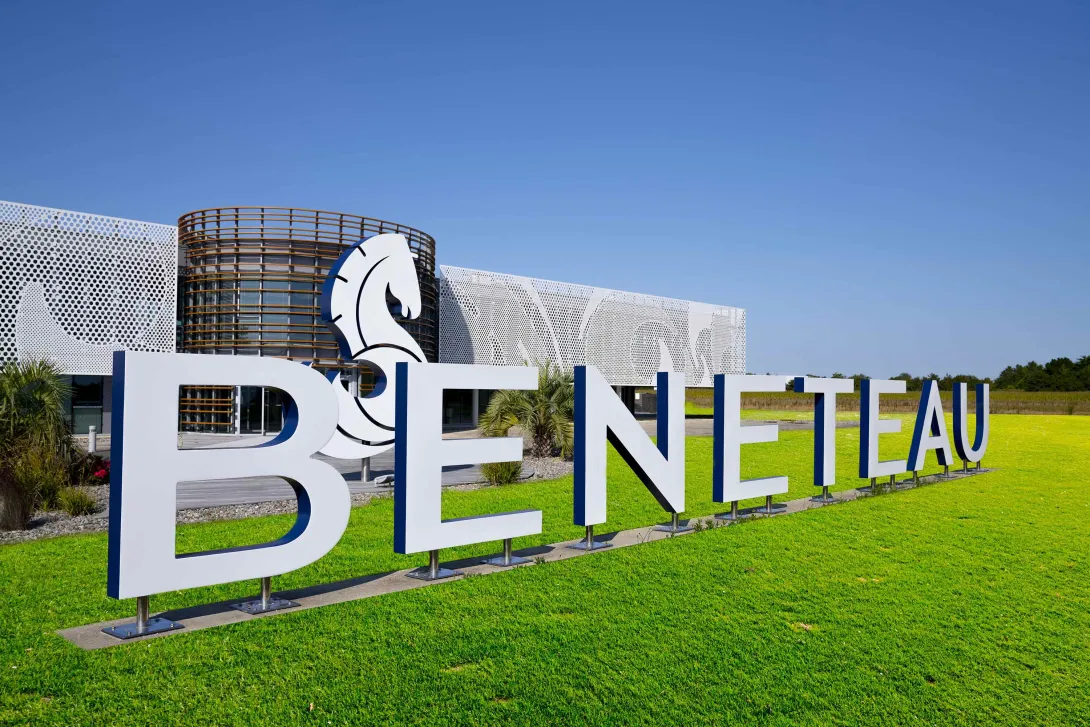
2013 was a major corporate year for the company, marked by the opening of the new Givrand site, which became the company’s head office and the flagship location for the brand.
2014
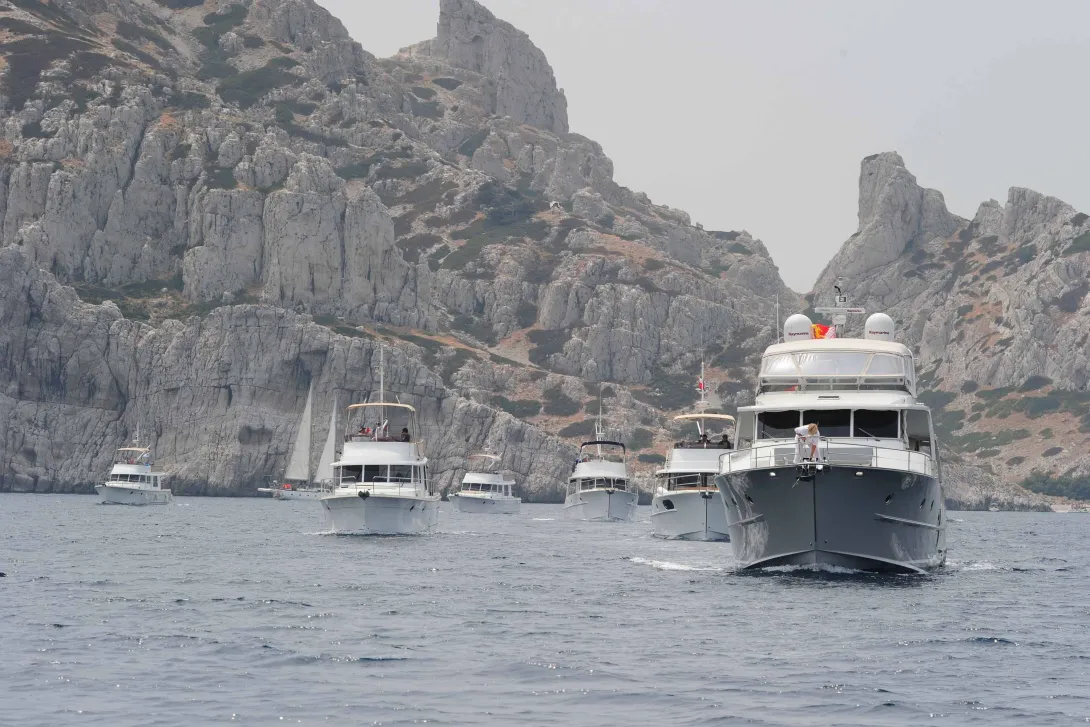
The launch of the first BENETEAU Yacht Rendez-Vous
The year 2014 marked the ultimate achievement of the brand’s strategy to move upmarket with the organisation of the very first BENETEAU Yacht Rendez-Vous. This event was intended to be exclusive and created to bring together the owners of the boat builder's largest and most luxurious vessels, offering them an experience that matches the sophistication of their boats.
2017
Ship Control - The Connected Boat
The concept of the connected boat was introduced by the manufacturer as of 2017 with the launch of the Ship Control interface.
2018
A Year of Innovation and Strategic Development
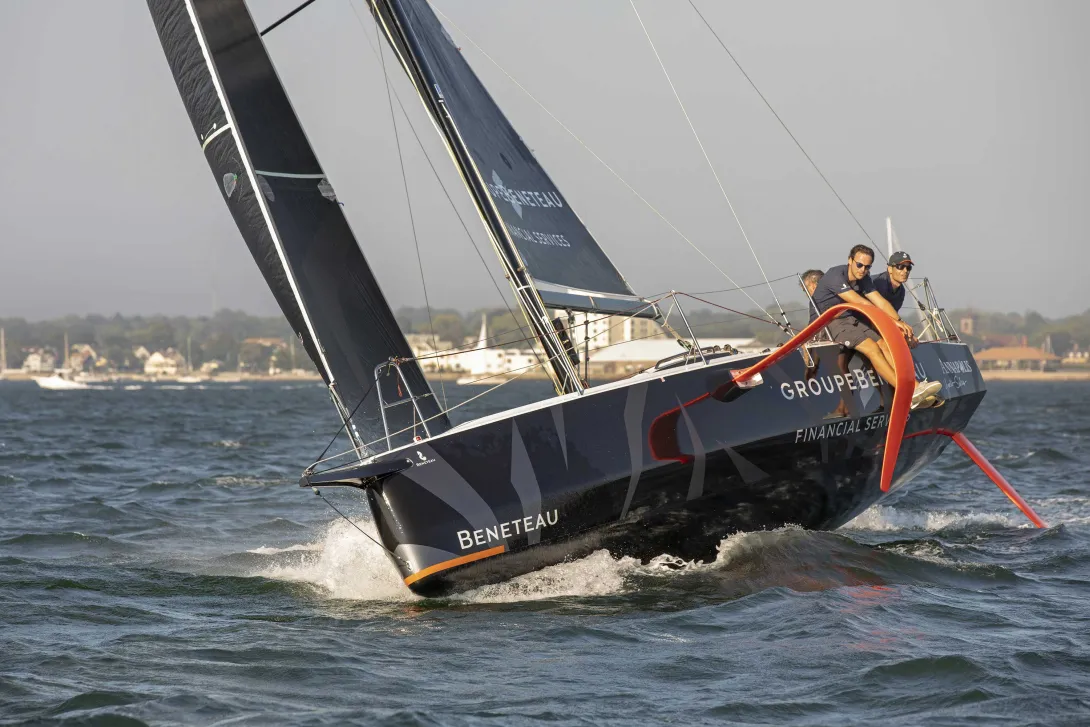
I. THE TECHNOLOGY SHIFT: THE FIGARO 3
The year was marked by a major technological breakthrough with the launch of the Figaro BENETEAU 3. This boat became part of leisure yachting history by becoming the world’s first series-produced monohull equipped with foils. This ambitious development, resulting from cutting-edge expertise in ocean racing, has confirmed the brand’s innovative ability to broaden access to technologies previously reserved for the elite. The Figaro 3 has thus confirmed BENETEAU's leadership in the field of one-design racing yachts and its central role in the challenging Solitaire du Figaro race.
2019
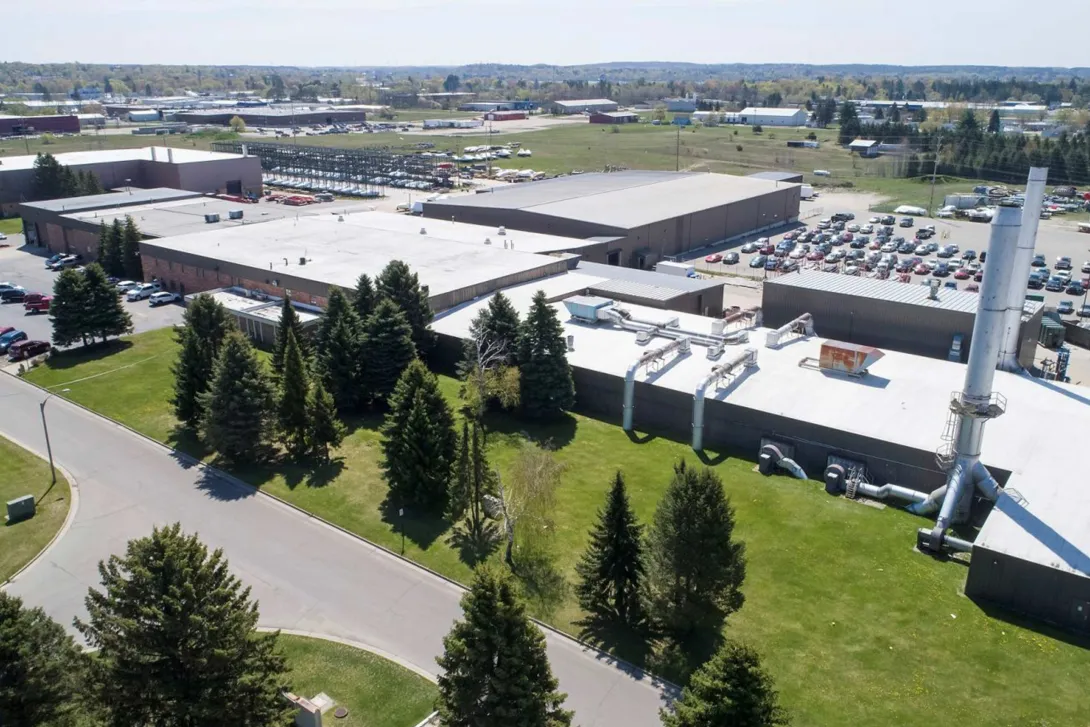
The Industrial Foothold in the United States - Production Begins in Cadillac
The year 2019 marks a decisive milestone in BENETEAU's globalisation strategy with the launch of motorboat production based in the United States. This major commitment demonstrates the brand’s desire to cater closely for the North American market, a significant market with a high demand.
2022
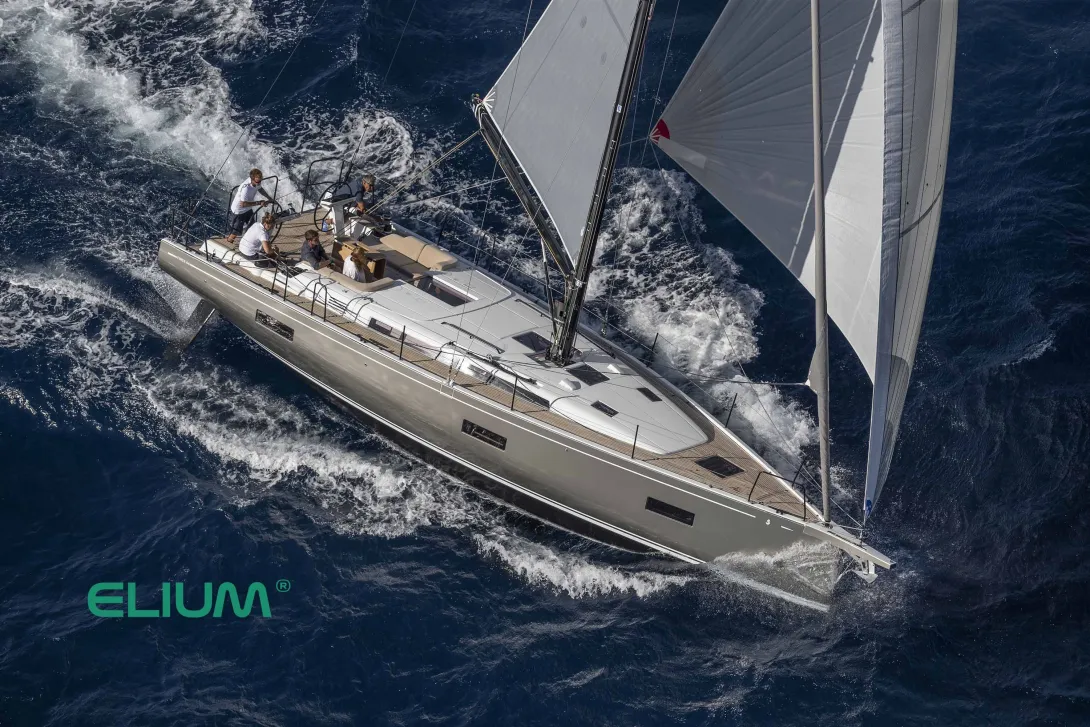
The First 44 - A Technological and Environmental Statement
The year 2022 witnessed the launch of the First 44, a sailing yacht that embodies the future of performance cruising by integrating major innovations whose design focuses on the balance between high performance and environmental responsibility. This ambitious model served as a showcase for the Group’s technological advances.
2024
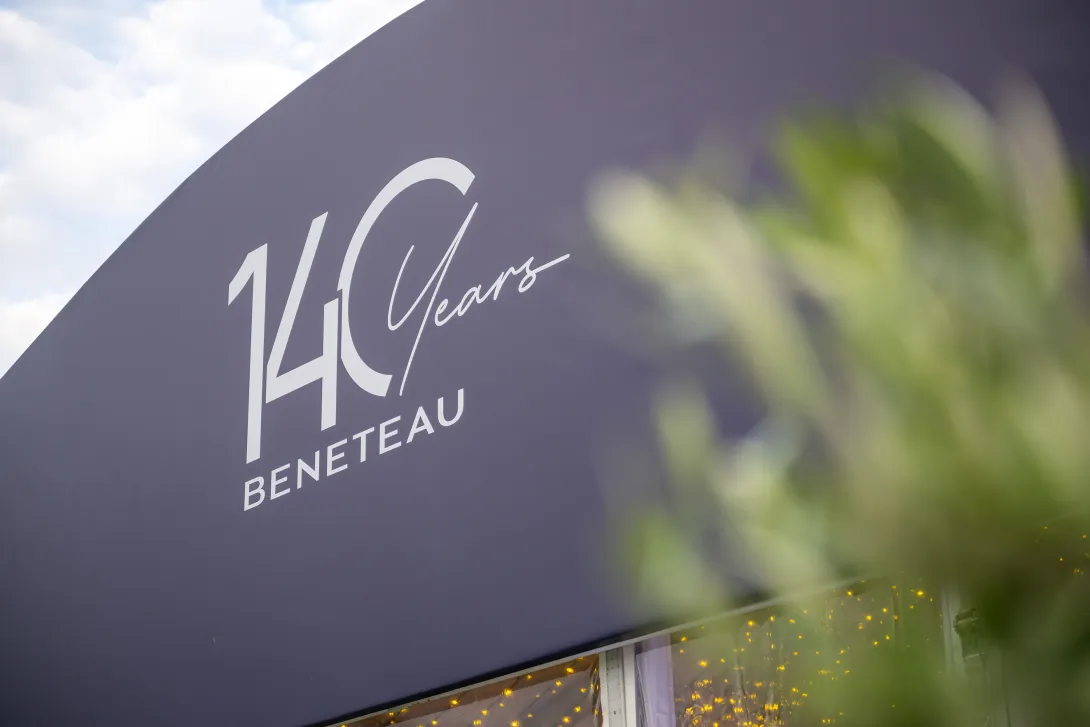
140th Anniversary Celebrations: The Great Story of Legacy and Innovation
2024 marked an historical year for the company as it celebrated its 140th anniversary (the brand was founded in 1884). This milestone was an opportunity to celebrate a century and a half of innovation and, over all, to reassert the vision and passion that would inspire the Group for decades to come.